Full article about Tramagal’s bone-dry square hums with olive memories
Hear cobblestones click, taste thistle-sharp Ribatejo oil and trace rain in chicory blooms
Hide article Read full article
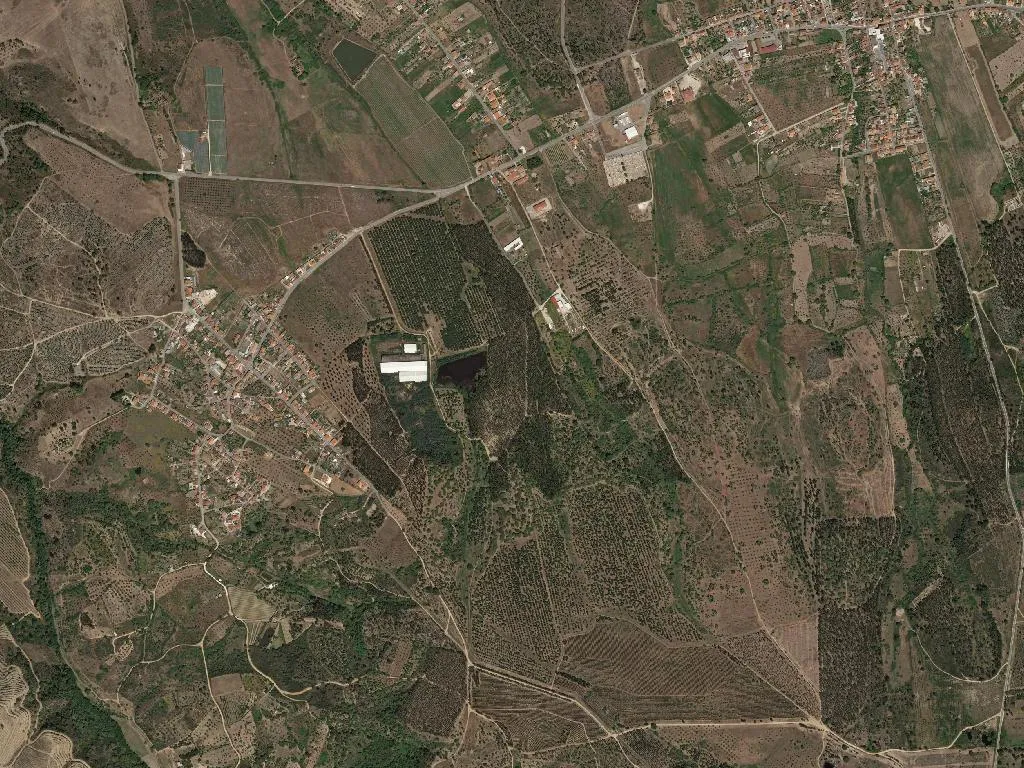
The cobblestones click beneath your sandals in Tramagal’s only real square – a brittle, bone-dry percussion every child here can identify long before they spell their own surname. It is the same acoustic their grandmothers trusted when they carried aluminium buckets to the village well, decades before plumbing reached the kitchens. Mid-July glare ricochets off whitewashed walls, warping the air until the maize fields seem to exhale dust and thyme. At 116 m above sea-level the Tagus basin opens like a parchment in every direction, yet locals rarely scan the horizon; they read the cork oaks along the N118 or the sky-blue chicory in the ditches instead, divining tomorrow’s rain.
Between olives and Atlantic vines
Drive in during November and the first thing you notice are olives, not grapes. Knotty trunks, some three centuries old, flex like arthritic storytellers. In pocket-handkerchief plots families still spread hand-woven nets and beat the branches with bamboo canes passed down from grandfathers. The resulting oil is DOP Ribatejo, green-gold with a thistle-bitter finish that makes you understand why the Portuguese drizzle, rather than pour.
Outsiders ask to see the parish church, the sole “monument of public interest” on the heritage list; Tramagalenses point elsewhere. Memory lives in the working water-mill at Carvalhal where teenagers fill plastic bottles on August nights; in the stone cross on the Martinchel road where a Pentecost procession still breaks into song; in the granite trough at Granja where women once scrubbed sheets and swapped obstetric advice.
The cadence of the plain
Bread emerges from Zé Manel’s wood oven at 06:40 on Tuesdays and Fridays; the yeasty pulse drifts through aluminium gates before the padlock clicks open. In winter the Tejo’s fog swallows the paper factory’s chimney until ten, then releases it like a magician’s reveal. Summer heat loiters until after 21:00, when a breeze finally slips down from the Pinhal forests and tablecloths lift in silent applause.
There is no “farm-to-table movement” here—only the daily reality of it. Dona Albertina’s clay-pot lamb stew fires for five hours behind her dwarf-orange hedge; Uncle Américo serves tomato rice with peppery chouriço to whoever squeezes into his garage-canteen when the lights go on; Ilda salts sheep’s-cheese discs in her cellar for three days because that is what April requires. Recipes are muscle memory, not ink.
The plain changes colour every fortnight, yet no one calls it monochrome. They talk of maize taller than a tractor cab, sunflowers swivelling in military unison, wheat stubble that razes your shins if you shortcut home. They note the swallows that clock in on 25 March, the crickets that cease mid-chirrup when a stranger approaches, the petrichor after September’s first shower that sends the whole parish into the streets to inhale—as if the entire summer had been one held breath.