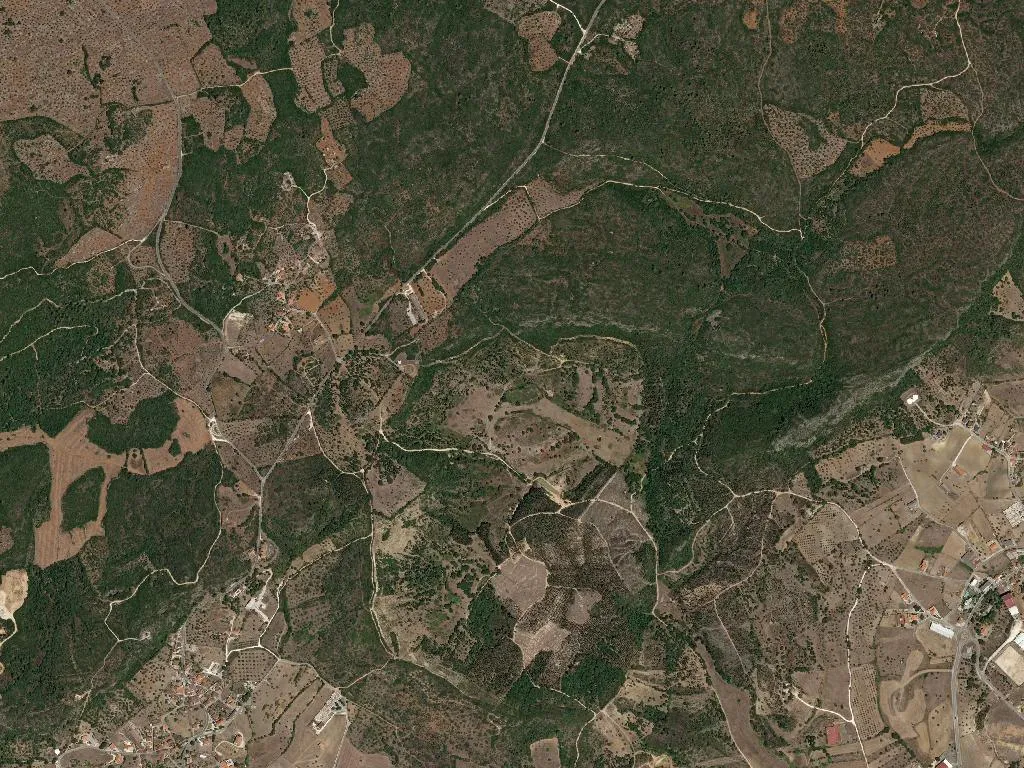
Full article about Monsanto’s heartbeat: cockerels, gossip & black-blood rice
Visit Monsanto, Alcanena: sip bagaço at Zé’s bar, taste blood-enriched rice, walk toast-coloured schist lanes perfumed by olives
Hide article Read full article
Mr Joaquim’s cockerel decides the alarm time in Monsanto. By seven the bar is already lit: Zé’s counter is where you learn who’s down with bronchitis, who’s getting married and what the olive-oroker paid per kilo this year. The village offers no belvedere selfies or baroque staircases; instead you get 700 people who can recite each other’s grandparents and a waiter who slides a glass of bagaço onto the table before you open your mouth.
Dust roads rise and fall between schist walls the colour of burnt toast. Look closely and you’ll spot paler stones – those are the rubbing posts where cattle scratched themselves smooth. At the far end of the only asphalt stripe, barely a cricket-pitch long, Dona Lurdes keeps her grocery open as she has since 1978. Inside you can buy nails, sliced white bread, home-made cough syrup and chocolates no one has eaten since the last century that she still refuses to bin.
What you’ll eat (and drink)
Nothing arrives styled on a slate. The cabbage in winter soup was cut ten minutes earlier; the chouriço hanging over the fireplace cured the smoke that flavours it. Summer lunch is a plate of tomatoes still holding morning sun, drenched with olive oil that bites the throat and bread that crackles like twigs. Dona Alda’s arroz de cabidela frightens children – jet black, enriched with chicken’s blood – yet once the first spoonful is down most ask for seconds. The wine comes from the cellar at the back of the house; the air there is thick with fermented grape that clings to your clothes.
Olives and pears pay the bills
From October to December Monsanto smells of crushed olives. The stone presses are gone but small steel centrifuges still turn family fruit into liquid gold that funds university fees downstream. In the lower plots, where the boys learned to swim despite maternal bans, Rocha pears swell. One grower gave me his quality test: “A pear, like a wife, must be firm but never hard.” Political correctness may flinch; the fruit doesn’t lie.
Who stays, who leaves
The secondary-school bus departs every morning, half empty. Those who return do so with GPS-guided tractors and drip-irrigation apps. Meanwhile 233 residents are over sixty-five; they remember five cafés, two dance halls and the night the river flooded the square. Wi-Fi now drifts across the praça but the doctor still appears only Tuesdays and Fridays. Accommodation is limited: Nuno, back from ten years in France, has turned his grandparents’ house into a pared-back apartment with linen sheets and blackout blinds; or you can stay at Sr Alfredo’s farm, where the cat will sleep on your bed if it likes your smell.
Coming over
Don’t pack an itinerary. The timetable runs like this: wake when the silence feels complete, wander to the café for a galão made with milk that left the cow at dawn, eat a custard tart that’s still yawning from the oven, then decide whether you’ll follow the mushroom track or simply prop the bar up and argue about Sporting versus Benfica. By late afternoon someone will need a hand stacking firewood; accept and you’ll go home with eggs in a straw basket and parsley tied with twine.
The sun slips behind the Magrinho hill, gilding the olive tops. When the light turns amber it’s time to leave. Zé’s dog trots behind your car not to scrounge but to reserve the passenger seat for next time – and there will be one. Monsanto doesn’t clutch you with monuments; it keeps you with the scent of bread your neighbour carried in, with Sr António’s “see you tomorrow” uttered as if he’s known you since infancy, with the slow dawning realisation that time can decelerate and nothing is lost in the slackening.