Full article about Valada: Where the Tagus Writes the Parish Rules
River-gauged allotments, stilted huts and fried eel in 42 km² of Ribatejo calm
Hide article Read full article
The sun strikes the glass at an angle, the way it does when you leave your lager on a metal café table and the light bends through the liquid. Valada is that sort of place: a parish you could sketch on a napkin, yet the Tagus insists on embracing all 42 km² of it. Six-hundred-and-eighty-three souls, counted from memory – because here the barman still calls you by your father’s name.
Where the river outranks the mayor
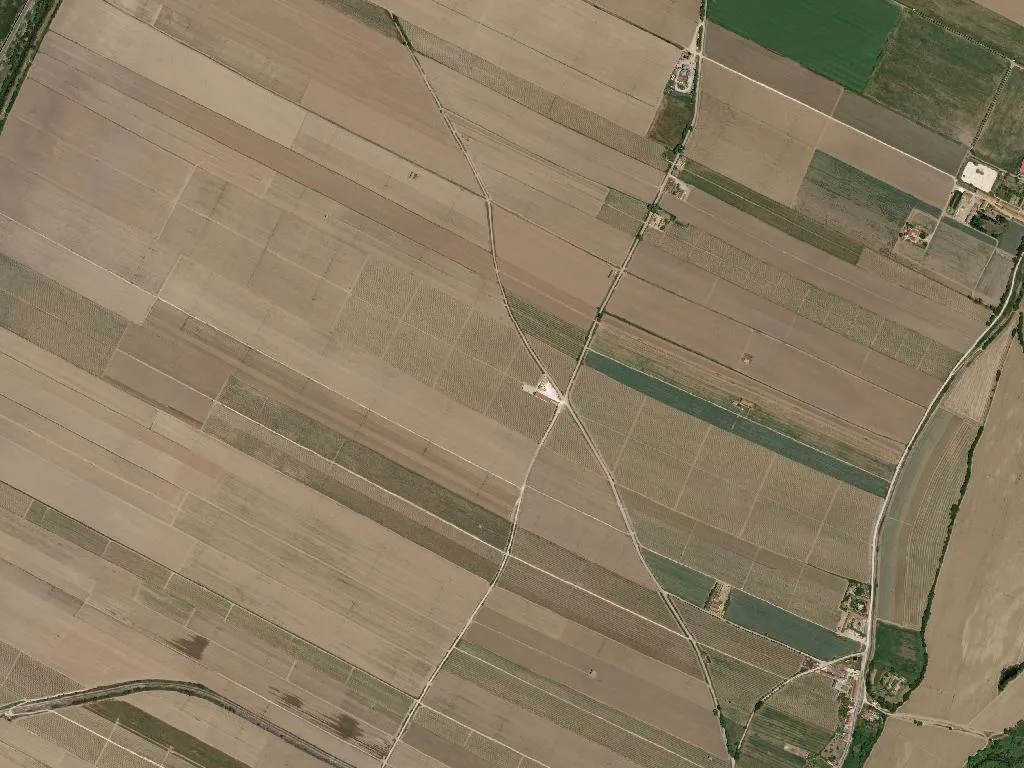
Romans once moored at nearby Muge to swap wine for lamprey; their coins still turn up in tomato rows after heavy rains. The parish church carries itself like a retired colonel who has seen every dynasty misbehave – patched-up over centuries, never altered beyond recognition. The real authority is the flood-dike: when the Tagus swells, it decides whether the allotments survive or swim. These days joggers in boutique trainers use it as a viewing platform and ask, half-hopefully, “Is that the sea?”
Stilt houses that outlived the planners
A Palhota – one of the last surviving huts on wooden piles – stands ankle-deep in river mud. The structure looks like an oversized chicken coop, except people still winter inside. Damp creeps up their shins the way it used to in the changing rooms of the village football pitch. At dusk the smell of burning eucalyptus twigs blends with toast and the stagnant water in the irrigation ditches. Odd, yes – but unmistakably home.
What you eat (and drink) without paying freight
Fried eel is non-negotiable: it arrives whether you order it or not, paired with tomato rice that tastes of the very soil it grew in – no back-label stories required. The pastel de Porto de Muge is essentially a custard tart that spent a summer at the coast: flaky armour, custard that slides like lava, sugar that lacquers your upper lip. Pair it with an espresso pulled from the 1963 Gaggia in Café do Santinho and equilibrium is restored. Local wine doesn’t bother with tasting notes: white for the fish, red for the gossip, refills until someone remembers tomorrow’s market begins at seven.
Where you walk as if time is an indulgence
The dike path is the most honest route going: 15 km of river on your left, allotments on your right, zero chance of getting lost. You can cycle it, but mind the craters – they’ve been there since 1993 when I went over the handlebars chasing Susana’s laugh. Children launch first-ever swims from the river-beach while parents quarrel over forgotten SPF. Kayakers should bring water: the Tagus is wider than it looks and thirst arrives without knocking.
When the sun drops behind the iron railway bridge – the one Gustave Eiffel drafted before Paris seduced him – the water becomes a polished sheet and the wind smuggles voices upstream. Valada shrinks to its true size: 683 inhabitants, no traffic lights, a silence broken only when a heron lifts off and someone mutters, “There goes the peace.”