Full article about Branca: Whitewashed Silence Above Roman Stones
Walk 4 km of Roman road, eat rice-strewn lamb, feel the hush of Portugal’s emptiest parish
Hide article Read full article
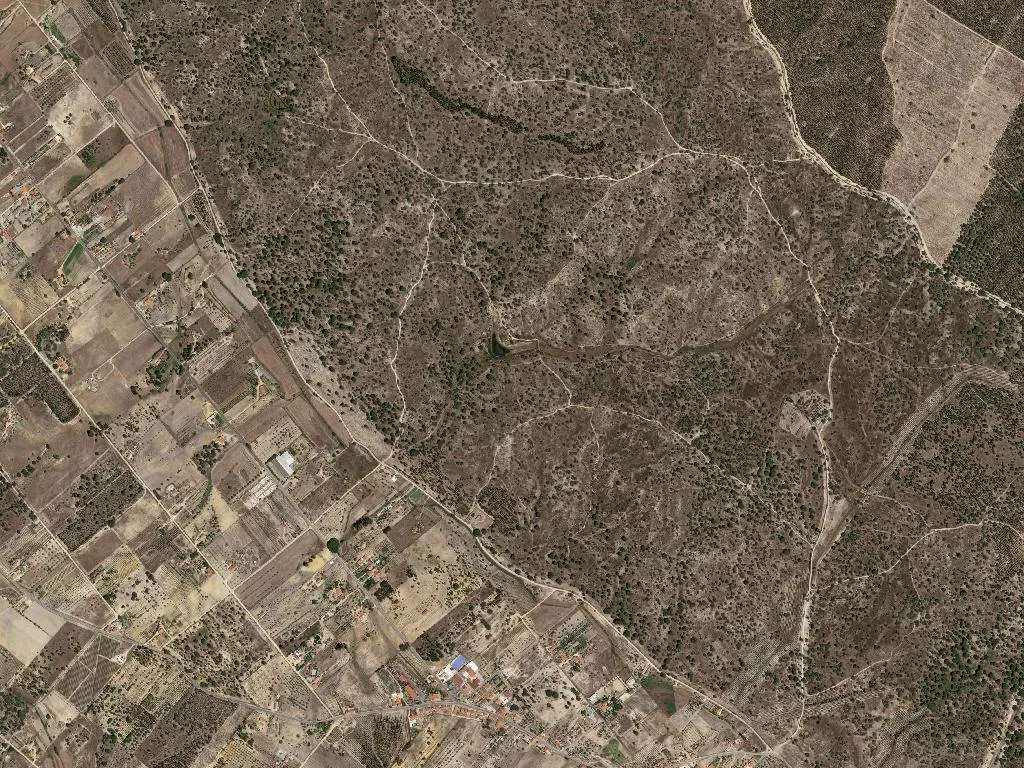
The afternoon sun strikes the limestone façade of Igreja de São Vicente with such force you reach instinctively for your sunglasses. Locals swear the glare bouncing off the bedrock baptised the village: Branca—literally “white”—and no further legend required. Spread over 117 km² of cork oak, olive and parched pasture, the parish registers barely 11 people per km²; silence is the default soundtrack.
What the Romans left behind
On the hill-spines of São Julião and Cristelo you can still stand on flagstones of the Via XXXI, the military road that once marched from Mérida to the Tagus. Until the 1970s cart-wheel ruts were visible; today the slabs lie camouflaged by rock-rose and drifting topsoil. The toponym “Auranca” appears in a 1098 charter—older than Portugal’s borders and two centuries before the nation itself.
The parish church (1690-1705) glitters with gilded wood requisitioned from a navy yard in Lisbon. Receipts filed in Santarém’s district archive record the baroque retable at 1,200 cruzados—roughly the price of a small farm. The tower was added after the 1755 earthquake split the earlier belfry clean through.
Smoke signals
Alto de São Julião served as a look-out post; on clear days a smoke plume could be read 15 km away in Coruche, telegraphing troop movements. On 3 May 1809 Anglo-Portuguese forces bivouacked at Albergaria-a-Nova and forced General Soult to abandon his push on Lisbon. No interpretation board marks the spot—just sky, valley and the whisper of cork bark.
What you’ll eat
Carolino rice from the Lezíria do Tejo (PGI) forms the base of both lamb stew and duck rice at O Vicente, the parish’s lone restaurant since 1987. Beef comes from Alentejana cattle raised 5 km away under holm-oak canopy, while the house lager is Sovina, Coruche’s craft brew launched in 2013.
Walking unmarked
The unpaved lane from the village to São Julião measures 4.2 km—fifty minutes on foot through centenarian olive groves and cork farms where song thrushes and robins provide the playlist. Bring water: no café en route. The Lavre stream runs year-round; from the stone bridge beside the football pitch you can watch grey herons and mallards quarter the reeds.
Regional trains stop at Coruche (12 km); Barraqueiro buses continue twice on weekdays—07:15 and 17:45—taking 20 min and costing €2.05.