Full article about Couço: Ribatejo’s mirror-bright rice bowl
Flooded paddies, cork-steer pastures and warm-scented co-op mills skirt Coruche’s quiet parish
Hide article Read full article
Dawn on the Lezíria
Horizontal light slides across the flooded paddies, turning every furrow into a looking-glass. In Couço, halfway between Santarém and the Alentejo, the only sounds are the clatter of a John Deere in low gear and the soft percussion of cattle egrets settling on rice stubble. The plain inhales slowly; the year is still measured by what is drilled in May and threshed in September.
A geography of water and sky
Forty-two square kilometres of alluvium, deposited by the Sorraia before it joins the Tagus, give Couço the kind of soil rice breeders dream of. Elevation: eighteen metres. Horizon: limitless. White-washed farmsteads crouch low, their lime walls and sun-bleached tiles braced against the nortada that scours the paddies. Population density is 54 people per km², which means you meet more tawny cattle than cars on the parish lanes.
Rice that keeps its own time
The IGP-labelled Carolino rice matures underwater from April to September; the grain swells slowly, drinking in the mineral silt. At the Couço farmers’ co-op, sacks still warm from the dryer stack up like sandbags, releasing a scent of toasted cereal and dust. Locals swear the variety absorbs tomato and duck stock better than any other, making the region’s arroz de tomate almost soupy with flavour.
Beef that grows on trees
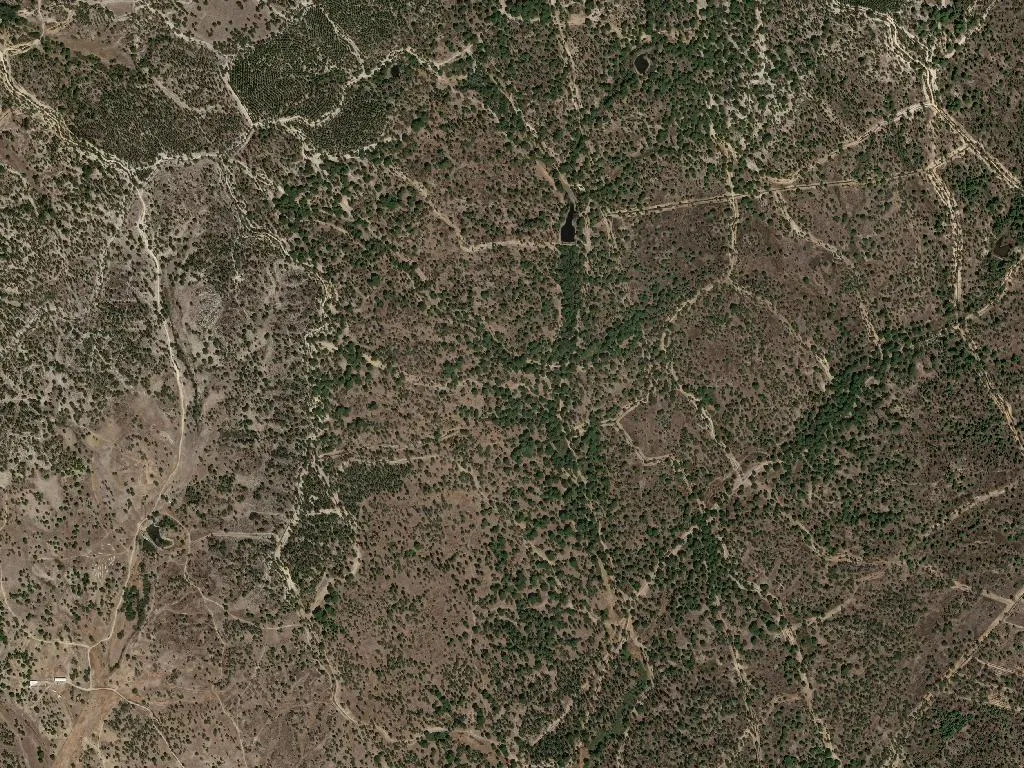
South-east of the paddies, black-coated Alentejana steers graze the montado—open cork woodland where holm oak acorns drop like marbles. The animals fatten for thirty months on this mast and wild herbs; the resulting DOP meat is the colour of burgundy, tasting faintly of rosemary and sun-baked turf.
Where Ribatejo drifts into Alentejo
Take the EM521 south and the land forgets the map: Santarém’s district line dissolves into cork and stone pine. Vineyards appear only on the slight rises—Castelão and Trincadeira trained low to survive the afternoon furnace and the night-time chill. There are no show-quintas here; the wine arrives at cafés in one-litre bottles, opaque with pigment, priced like water.
The arithmetic of ageing
Census 2021: 268 residents under 14, 738 over 65. The village tempo is set by the bell of São João Baptista—midday, seven o’clock—and by conversations that migrate with the shade. Two legal lodgings, no souvenir stalls, zero filters required. Visitors come for the negative space: kilometres of farm track without a notification, the luxury of hearing a stork land.
Twilight audit
As the sun clocks out, the stubble fields ignite into gold leaf. Smoke from a eucalyptus fire rises vertical; somewhere a dog barks once, then thinks better of it. Dinner is being started, not plated—because in Couço the only deadline is the following dawn, and even that arrives unhurriedly.