Full article about Fajarda: where rice paddies mirror the Ribatejo sky
Fajarda in Coruche parish offers wetland cycling, hand-planted PGI rice fields and open-range DOP beef grilled over holm-oak embers
Hide article Read full article
A plain of ochre and muted green
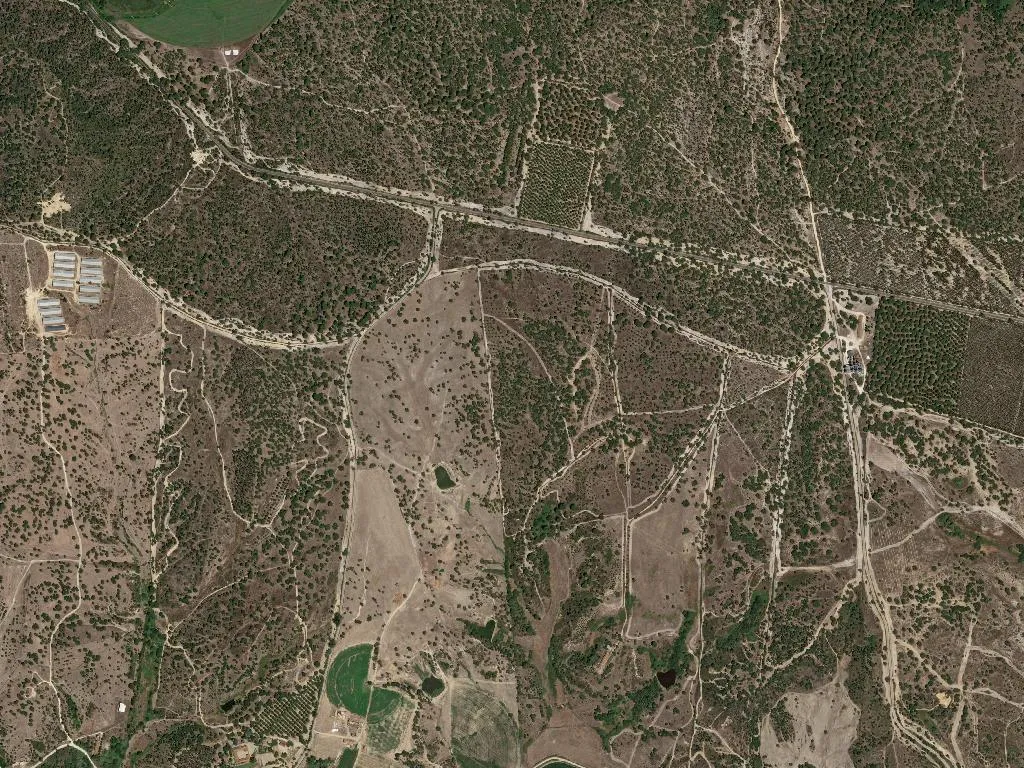
A plain of ochre and muted green stretches out, dotted with olive trees casting short shadows at midday. The heat of the Ribatejo clings to the sun-baked paths, and silence is broken only by the metallic song of cicadas and, in the distance, the engine of a tractor kicking up fine clouds of dust. Fajarda breathes at the pace of the lezírias—the seasonally flooded wetlands that line the Tagus—where rice and cattle still dictate the rhythm of the day and the sky dwarfs every human structure.
With 3,471 souls spread across 50 km², the parish averages 29 inhabitants per square kilometre. Demography is blunt: 405 under-30s, 1,063 over-65s. Older residents remember paddies glinting like mirrors each spring, the controlled floods that turned fields into shallow lakes, and the communal effort of planting Carolino rice by hand. Houses sit low and unhurried along ruler-straight lanes that bisect wheat stubble and trellised vines; you can cycle from one end to the other in half an hour and meet more egrets than people.
Rice and certified beef
The kitchen here doesn’t follow fashions—it follows the flood calendar. Arroz Carolino das Lezírias Ribatejanas, the only Portuguese rice with Protected Geographical Indication, forms the base of soupy caldeiras and duck rice that steams in hand-thrown clay pots. The grains swell slowly, drinking in stock coloured by bone, chouriço and tomato. Alongside comes Carnalentejana DOP beef—animals of the native brown breed raised on open pasture east of the river. Grilled over holm-oak embers or braised in Tejo red until it collapses, the meat is lean, almost gamey, with a faint trace of wild thyme from the montado.
White wines from the local Fernão Pires and Arinto grapes arrive ice-cold; reds, tinted by Portugal’s rustic Trincadeira, are served at cellar temperature in balloon glasses that look almost too metropolitan for the plain deal tables they sit on.
Plains time
There is no checklist of monuments, no miradouro with a selfie frame. What Fajarda offers is a masterclass in Ribatejan understatement: farm tracks that double as cycle paths, where you brake for cattle egrets and the horizon tilts subtly between green (winter rye) and toasted biscuit (August stubble). Five places accept overnight guests—converted haylofts, whitewashed estate outbuildings—none with bedroom televisions; instead you get thick walls, a ceiling fan and the metronome of a kitchen clock. Ring on Monday to arrive on Friday; no one here loses sleep over occupancy algorithms.
The weight of quiet
At 6 p.m. the sun drops fast, gilding lime-washed walls and turning dust into gold filament. Wood-smoke scented with olive prunings drifts across the lane; somewhere a hinge squeals like a violin. The land exhales stored heat long after twilight, and the only urgency is the distant chapel bell marking Angelus. Spectacle is not on the programme; authenticity is the default. Come to Fajarda to recalibrate your sense of scale—where the sky is cathedral, the paddies are scripture, and the plain keeps its own slow time.