Full article about Santana do Mato
Ribatejo’s quietest wedge, nine souls per km², river, rice, oak-grazed beef and linen-fresh air.
Hide article Read full article
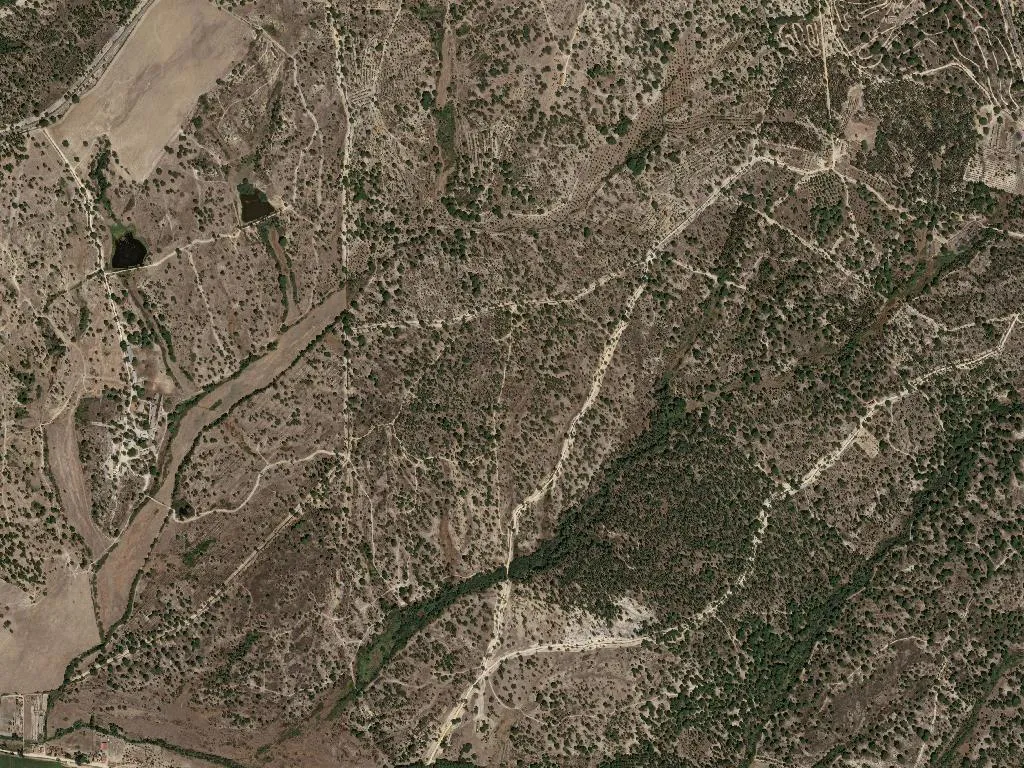
The sun lands on ochre earth and the silence over Santana do Mato is so complete it feels linen-fresh, pressed flat against the Ribatejo plain. In this southern wedge of Coruche council, only nine people share each square kilometre; walk the farm tracks and your own footfall on gravel is the loudest sound for miles. Ahead, the Sorraia river glints like a loose silver thread on a tailor’s floor.
Rice plains and pasture
Local menus read like ordinance-survey maps. The stubby-grain Carolino rice carries an IGP stamp because it is still flood-irrigated by winter overspill from the Sorraia, leaving the soil ink-black and sweet. Beside it on the plate sits beef branded Carnalentejana DOP: steers that spend 18 months wandering the montado around the village, grazing under holm oaks until their meat tastes faintly of acorn and thyme. The wine in your glass is Tejo DOC, grown on alluvium and clay that bakes by day and cools fast after dusk, giving reds the snap of sour cherry and whites a waxy citrus skin.
Slow living in a hurry-up country
Census 2021 logged 945 souls here; 319 are over 65, 94 under 14. Those numbers explain the streets: a single row of low white houses, a parish church dedicated to Saint Anne, and the zinc-topped counter of Café O Zarco where weather is discussed with the seriousness of front-page news. Check-in is equally simple—three self-catering cottages and one small guesthouse, no booking platforms, no surge pricing. You ring, you arrive, you park where the verge is widest. The only traffic jam is a herd of cattle shuffling to pasture at dawn.
The taste of ordinary days
There is no Unesco plaque, no audio guide; instead, the narrative is edible. In the agricultural co-op the air is dense with smouldering holm-oak and curing pork; rash of smoke escapes each time the heavy door swings. On Wednesday morning the market in Coruche (10 km east) sets up under canvas: soil-dusted lettuces, eggs still freckled, quince the colour of burnt butter. Back in the village, Mercearia Silva sells tinned sardines, fence wire and gossip in equal measure; purchases are rung up three at a time so conversation can breathe.
The plain rewrites itself every season. Winter water tables rise, turning paddies into mirrors for storm-grey clouds. Spring arrives almost violently—new cork oak leaves the size of mouse ears, rice shoots neon against black mulch. By August the ground is kiln-dry, cracks opening like fault lines under size-ten boots. September brings the grape harvest to nearby Herdade do Esporão and the smell of fermenting must drifts over the parish like yeasty fog.
When you leave you carry away more than a phone photo: the taste of rice cooked until each grain stands in its own creamy jacket; the metallic scent of first rain on dust; the memory of silence that has room to expand. Proof that somewhere between Lisbon and the Alentejo the essential still fits comfortably in one small parish.