Full article about Chãos: Where Pears Ripen to the Sound of Church Bells
In Ferreira do Zêzere’s quietest parish, orchards, olive oil and pilgrims share slow time.
Hide article Read full article
The Weight of Earth and Hours
Morning light slips through the slats of painted shutters, laying gilt rulers across terracotta tiles. At eight o’clock the church bell scatters its bronze notes over the back gardens where pear boughs still wear their night collars of dew. Chãos wakes without urgency; 465 people here know the precise heft of every hour.
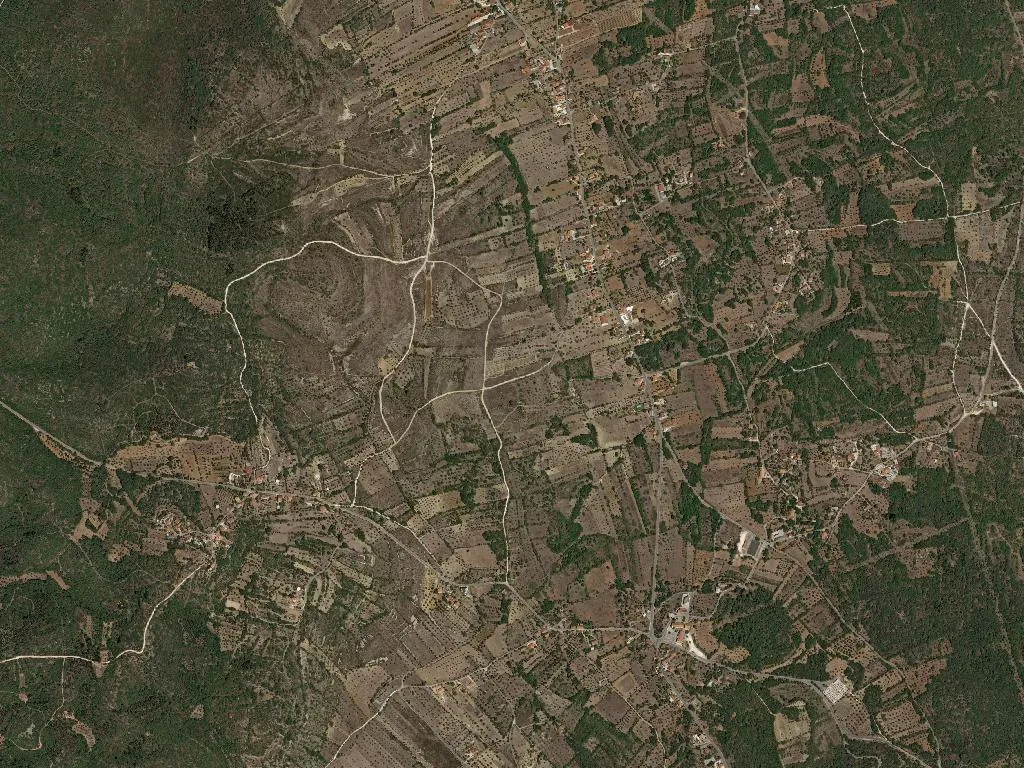
Beyond the low granite walls, Rocha pears—protected by Europe’s PDO stamp—colour from verdigris to sun-blushed gold. Pickers steady wooden ladders against the trunks, filling crates that will roll downhill to the co-op warehouse. For a fortnight the air tastes almost syrupy, as if someone has uncorked a giant bottle of poire William and let it breathe over the valley.
Centuries-old olive groves interrupt the orchards, their trunks corkscrewed by drought and frost. The fruit is pressed into Ribatejo DOP oil the colour of early wheat, with a peppery kick that catches the back of the throat like a chill. Locals drizzle it over everything—tomato soup, grilled sardines, even a slice of morning toast—then mop the plate with crusty bread.
No one rushes. Density is nineteen neighbours per square kilometre; the parish dog can bark himself hoarse without complaint. Satellite navigation surrenders at the first bend, and silence becomes audible—only the rasp of a hoe, the soft clink of a goat’s bell, the pneumatic hiss of a cider press.
Pilgrim Footfall
Chãos sits on the Interior Way, a lesser-spotted branch of the Via Lusitana to Santiago. Backpackers emerge from the maize fields, refill aluminium bottles at the granite fountain, ask for the bakery in school-book Portuguese, then vanish into stands of umbrella pine. Their boot prints linger for minutes on the warm tarmac before the resin softens and reclaims them.
Demographics tilt towards winter: 189 residents over 65, forty-nine under 25. Bedrooms stand shuttered, wardrobes dressed like ghosts in white sheets. Yet twelve stone houses have been coaxed back to life as casas de campo—wooden floors singing under new weight, terracotta roofs releasing the smell of sun-baked clay. Guests come for the very absence of events: a pool without a playlist, a night sky still licensed for stars.
At dusk the west-facing façades ignite, limestone turning the colour of marmalade. Someone waters a cabbage patch; cold well-water races down furrows, releasing a mineral breath that rises to meet the first owl. Shadows stretch until the hills are cut from orange paper, and the bell, satisfied, tolls once more—counting the day out, coin by coin.