Full article about Espite: copper axes, olive oil & schist chapels
Walk Ourém’s hidden parish where 5 000-year-old tools, pilgrim paths & tiny chapels frame the Ribate
Hide article Read full article
The valley that remembers copper axes
The Ribeira da Freiria still seems to echo with the ring of copper axes. In 1877 thirty-two of them were lifted from the damp soil — relics of a Chalcolithic workshop where, 5 000 years ago, anonymous hands knapped tools beside the water. Beneath Espite’s modern fields lie 25 millennia of human footprints, from the Cabeço de Óbidos shelter to Roman strata at Arrochela, yet it is above ground, among olive groves and whitewashed chapels, that the parish reveals its true depth of time.
A landscape called “hospice”
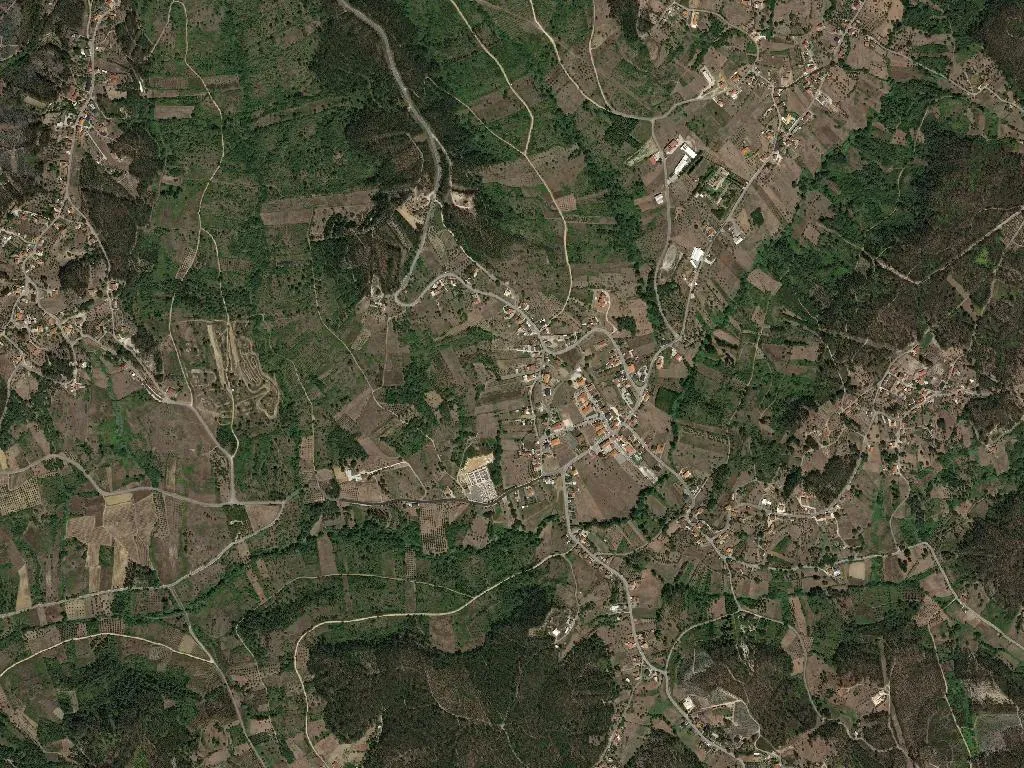
The name derives from the Latin hospitium — a guest-house. Long before today’s walkers appeared on the Fátima pilgrimage route, Espite sheltered travellers at a crossroads of gentle valleys 196 m above sea level. Forest covers half the territory; the rest is a patchwork of olives whose oil carries the Ribatejo DOP seal, flowing from the co-op press like liquid bullion. The Ribeira de Espite cuts through dark schist at Arrochela while the Freiria keeps the memory of buried copper.
Stone, lime and calvaries
The parish church has stood since the thirteenth century, first mentioned in parish records of 1211. Espite, however, is built from many chapels: São João, Nossa Senhora da Conceição, Calvário, São Sebastião — each a bead in a rosary of devotion, linked by stone calvaries that organise the countryside into cardinal points of faith. On Maundy Thursday the procession visits five stations; on Corpus Christi the silverware is carried into the street. January brings the Reis singers; in November São Martinho bonfires crackle while chestnuts burst on the embers.
The priest who built schools
António Pereira Simões left more than sermons. In 1897 the parish priest built primary schools at Cercal and Pisão, brick declarations that literacy was as urgent as salvation. Both buildings survive, reminders of when the Church supplied what the state withheld. At the time Espite numbered thousands; between 1950 and 2011 three-quarters would leave, mostly for France, reducing the place to its present 986 souls.
Jurassic footprints and new trails
The Ourém–Torres Novas Natural Monument of Dinosaur Footprints spills into Espite, superimposing 175-million-year-old trackways on today’s walking routes. The nine-kilometre Caminhos d’Ourém circuit starts at the parish sports club — whose trail team has won national titles — and loops through cork oak and olive. The Fátima Way crosses the settlement like a modern artery of pilgrimage, honouring the old meaning of hospitium.
What the land puts on the table
Wood-oven roast kid, chanfana goat stew simmered until the meat slips from the bone, tomato soup with a poached egg — Espite’s cooking shuns finesse and follows the farm calendar. DOP olive oil flavours corn broa, olive biscuits and walnut cake. Home-made chouriço and morcela black pudding smoke in the fumeiro while rough local wine paces the meal to the tempo of the land: as long as it takes, never as short as you’d like.
On the first Sunday of each month the parish council hall hosts a regional market: creased hands offer litre bottles of olive oil and paper sacks of walnuts. From above, the Cabeço de Óbidos has watched for 25 000 years. The sound that endures here is neither bell nor breeze — it is the loaded hush of olive trees waiting for the next harvest, as they have always waited.