Full article about Gondemaria: where dawn melts over dinosaur footprints
Olive terraces glow like egg yolk above 175-million-year prints outside Ourém
Hide article Read full article
The morning yolk
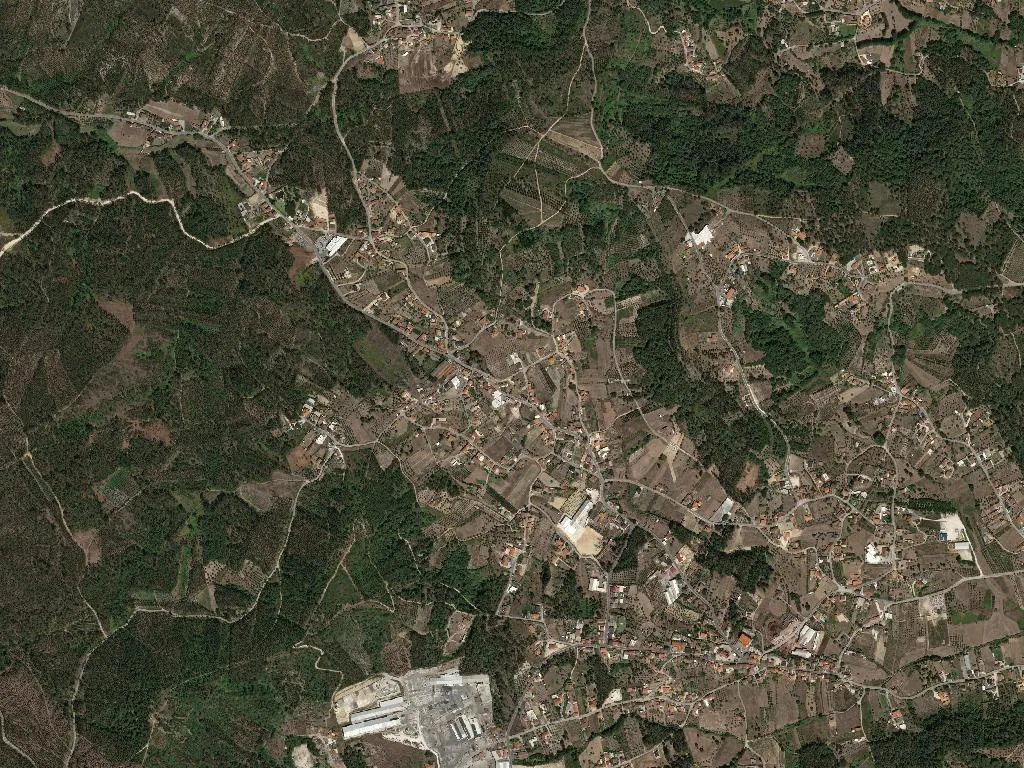
Dawn in Gondemaria doesn’t simply break – it oozes, egg-yolk yellow, across 892 ha of olive terraces until every leaf looks moulded from Plasticine. At 240 m you can taste the Tagus on the horizon, a silver ribbon flashing 20 km south-west, yet the air stays warm enough for shirtsleeves in November. When the sun bakes the schist it smells like breakfast toast; after rain the same ground exhales the musk of wet wool – the unmistakable “chibo” scent every local recognises.
What the stone remembers
You need no PhD to spot the mess: a sauropod’s right forefoot stamped mid-stride into once-soft limestone, now tilted like a tipped table-top. The 175-million-year trackway – part of the Serra de Aire Natural Monument – lies just inside the parish boundary, though no-one here calls it that. Ask for “as pegadas” and a child will lead you to the fence, half proud, half anxious you’ll fracture a leg climbing over. The rest of the landscape is olive grove, wall-to-wall. Harvest comes in late October when the terraces resemble an anthill in hi-vis: cane poles slap, nets billow, and someone always grumbles that the mechanical shakers bruise the fruit. The oil travels 12 km to Ourém’s cooperative, but the viscous early-harvest batch – grassy, throat-catching – never leaves the valley. House wine? Try house oil.
Who passes, stays
The Portuguese Central Fatima Way bisects the parish as casually as a farm track. Pilgrims appear with blistered boots and the thousand-yard stare of those still 8 km from salvation. They refill bottles at the spring beside the cemetery; locals give directions along with a plastic tumbler of water and zero embellishment. Accommodation is three private homes, back-door entry, eat-what’s-cooking, pay-what-you-can. Population 1 368 – 153 under fourteen, 403 over sixty-five – means the barman notices before you’ve missed your second coffee. When António from the café failed to turn up last Sunday, half the village was waiting outside the health centre before his appointment.
When the light folds
At 18.30 the sun slips behind the Serra de Aire and the olive canopy turns the exact colour of bottled oil. Farmers rack their mattocks; peregrines, not pilgrims, wheel overhead. The dinosaur prints remain, unchanged since the Middle Jurassic, but no-one looks down. What matters is tomorrow’s forecast, the next crate of fruit, the next walker asking “How far to Fátima?” Between new oil and ancient stone, Gondemaria stays put – as it has since memory, and as it will when memory thins.