Full article about Olival at Dawn: Espresso, Bread & 150-Million-Year Footprint
Where dinosaur prints bake beside schist walls, Olival village wakes to espresso steam and surname-w
Hide article Read full article
The Light of Morning in Olival
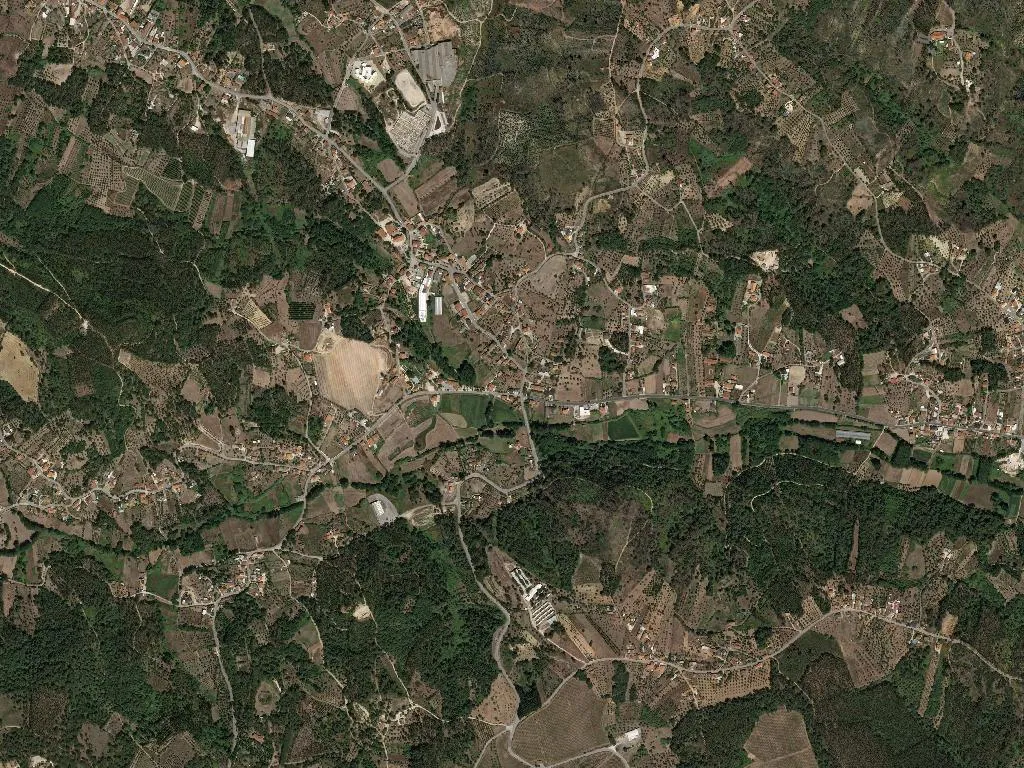
Dawn slides through the slats of Café Central’s half-shut blind, striping the zinc counter where Joaquim has already poured his third espresso of the day for old Domingos. Yesterday’s grounds cling to the cups; the smell of yesterday’s brandy is elbowed aside by Amélia’s first tray of papo-secos, out of the oven at seven-thirty sharp—the bakery lights up before Adelino’s mongrel has cleared its throat. Olival wakes like this: the groan of the café door, a diesel tractor coughing into life, 1,368 people who navigate by surname rather than street name. The Carvalhos live on the sunset slope; the Martins own the patch around the church square; the Dias family park three identical white Clios in a line, like fridge magnets.
Under the Feet of Giants
There are no technicolour panels, no gift shop. Mr Artur fumbles a rusty latch on his farm gate and points to a biscuit-coloured limestone slab the size of a dining table. “Pegadas de Dinossáurios – 150 000 000 A” is all that remains of the official lettering. The rock is polished by 45 years of fingertips tracing three-toed prints that look, from a certain angle, like a human heel wearing a clawed slipper. Visitors crouch, photograph, refuse to believe this was beach mud when lobsters the size of calves paddled here. Artur’s grandson provides the commentary his grandfather gave in 1978: “He hit something hard with the plough, stopped, and history stuck out its foot.”
Heritage here is not cathedral stone; it is the waist-high schist wall that separates my olives from yours, the kind that slices a finger if you lift a loose block without gloves. It is the roadside shrine of Nossa Senhora do Caminho where blue plastic candles outnumber wax ones—summer sun turns the real thing to puddles. The chapel of S. Sebastião opens only on 20 January; the priest drives over from Caxarias, and the front-pew matriarchs defend their places as if seat numbers were printed on the tickets.
Olive Oil and Slope
The oil is galega—never advertised, always implied. Most trees belong to the Galician cultivar, planted when grandparents still measured value in port-wine barrels. Zé Manel’s press runs only at weekends now; his daughter balances a MacBook on an upturned crate while her father coaxes the belt with a pen-knife twist. The first trickle is loud green, peppery enough to make you cough—Lisbon buyers pay extra for that rasp in the throat. When the mill is alive, the whole village breathes it: oil mist drifts through kitchen windows, settles on curtain folds, clings to anoraks hanging behind the door.
Wayfaring and Beds
The Portuguese Central Way of the Camino de Santiago skirts the parish, but pilgrims keep to the tarmac because the farm track turns to porridge after three days of rain. They pause at Café Central for directions and leave with a free refill. There are three guest rooms in D. Amélia’s townhouse: pumpkin jam at breakfast, cornbread that sheds crumbs like confetti. The municipal hostel closed when Sr Albano’s restaurant folded; now former dormitories are family homes with hand-painted boards—“Quartos – ask inside”.
Daily Arithmetic
The school bus vacuums the square at eight o’clock sharp; after that the only soundtrack is the frame-making factory across the stream and the café’s wheezing extractor that Zé refuses to switch off—“cheaper than air-conditioning”. Mid-afternoon the Goucha bakery van arrives with milk loaves; Maria opens the village shop half an hour just for the driver. Under the plane tree four octogenarians play Swedish whist, counting cards out loud because Jaime left his hearing aid on the nightstand. When the sun drops behind Crispim’s olive grove the leaves flash like foil and the soil exhales a dry warmth that climbs your shins. That is the moment you smell cork oak burning in D. Odete’s hearth—she lights it at six winter and summer alike, “so the day can finish with the right perfume”.