Full article about Asseiceira: olive groves, pear juice, salt-crusted mornings
Asseiceira near Rio Maior hides ancient olive terraces, Camino water-stops and orchard-fresh pears dusted with local salt
Hide article Read full article
Dawn over olive rows
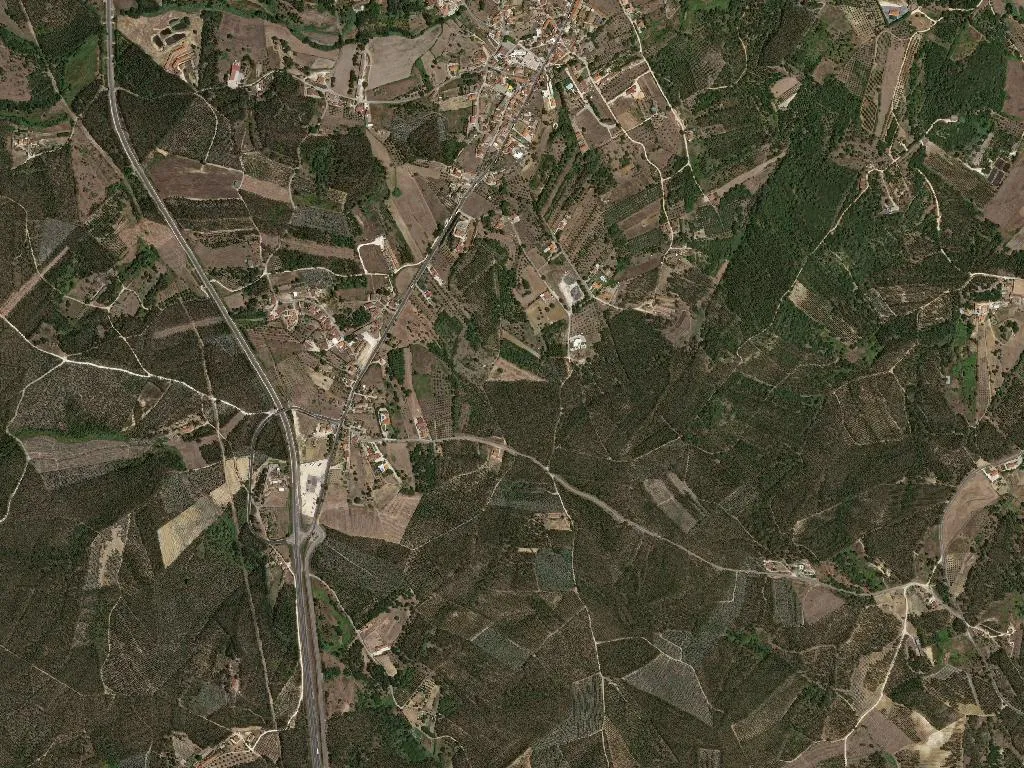
The sun lifts above the olive terraces and apple plots of Asseiceira, sliding across a landscape so evenly pleated it might have been pressed by a giant hand. Silence sits thick as dew until Zé Manel’s tractor uncorks the stillness somewhere beyond the stone walls. You do not arrive here by accident; the parish simply decides to reveal itself after the last bend. Its 1,124 souls keep a collective address book in their heads—any unfamiliar number plate is logged before the kettle boils.
The Latin root asecere ("a stand of trees") still holds. Look left: rows of Maçã de Alcobaça trained on wires. Look right: oliveires older than compulsory education. Documents trace the settlement to the Knights of Christ in the 1200s; the houses, stitched from local schist, recount less glamorous chronicles of drought price, emigration and the grandchildren who came home to plant the same varieties their grandfathers grafted.
A pilgrim’s sip and nothing more
The Torres variant of the Camino Português cuts through the village, but walkers rarely linger. They refill plastic bottles at the church tap, frame the 19th-century plane tree on a phone and march on. There is no albergue, no gift shop—only César’s café, which unlocks at seven and closes when the last coffee cup is upended. Portugal loves a patron-saint party, yet Asseiceira refuses to choose one. Instead, it celebrates whatever the season yields: blossom weekend in March, harvest supper in October, lamp-light procession only if the olive forecast warrants prayer.
Salt, apple, pear
Menus are decided in the orchard. Buy a paper bag of sun-warm Rocha pears from the boy at the roadside stall—October only—and the juice runs like dessert wine. The salt on the table travelled ten minutes from Rio Maior’s subterranean pans, a seam of ocean left behind when the Serra de Aire rose. Tear the crust off a loaf, douse it with estate-pressed oil, add a flake of that salt and a tumbler of Tejo red and you understand why no one here courts Michelin stars. Phone Dona Lurdes the night before if you want lunch; otherwise she will be on the tractor, not WhatsApp.
Between plateau and massif
Asseiceira sits on a 115-metre step that tilts the Ribatejo plain one way and the limestone ramparts of Serras de Aire e Candeeiros the other. You can reach the Natural Park boundary in dusty trainers: follow the farm track downhill, negotiate the committee of Friesians that double as level crossing, and duck into a karst hollow where your pulse becomes percussion. Pack water and a bag for wrappers—door-to-door recycling has not yet climbed the council priority list.
Walk the lanes at dusk and you will come home with soil on your shoes, a pocket of windfall apples and the certainty that time is measured in thirty-year olive cycles, not in 'likes'. When the light folds itself into the orchards it leaves the scent of warm schist and the promise that tomorrow, God permitting, will be an almost identical day. In the current brochure of Portuguese experiences, that is an unlisted indulgence.