Full article about Glória do Ribatejo: dawn on the rice flats
Hear the 07:42 Lisbon train sigh into ochre-stationed Glória do Ribatejo
Hide article Read full article
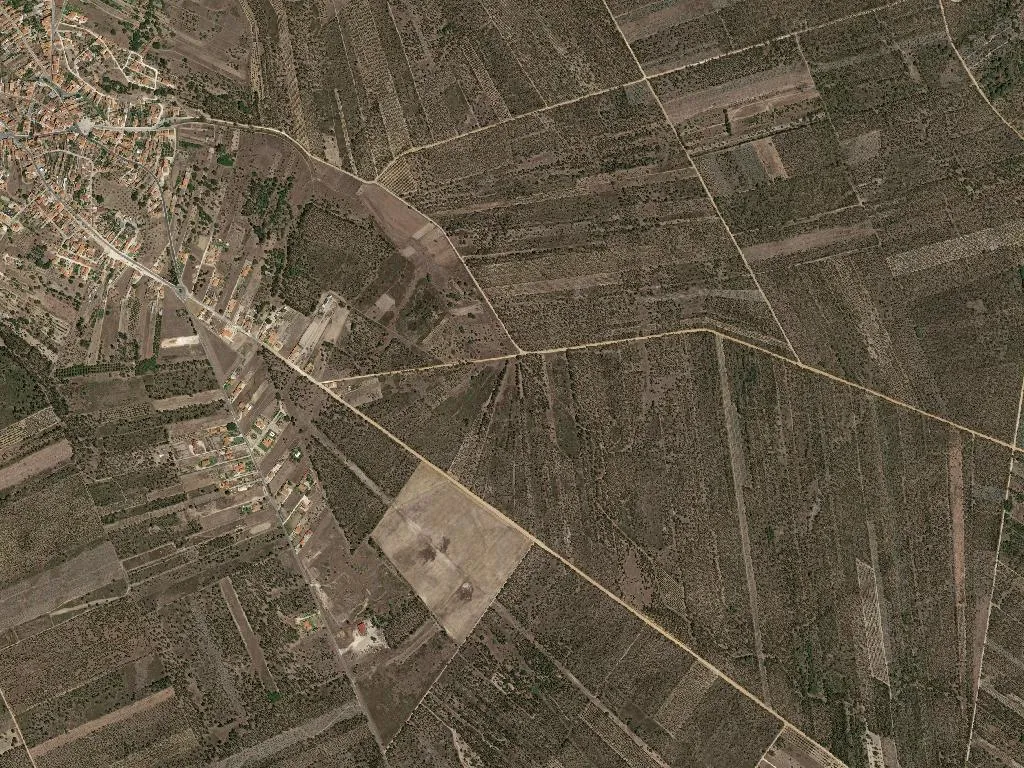
The 07:42 from Lisbon squeals to a halt at a single-storey station of ochre stone and iron lace that has measured the pulse of the Ribatejo since Dom Pedro V rode the inaugural line. Doors sigh open onto absolute stillness: one red-tiled warehouse, a bench scarred by 160 years of waiting, and the low hum of an irrigation pump somewhere out in the blond expanse of rice. Morning light lies flat across the lezíria, turning every drainage ditch into molten brass. Glória do Ribatejo wakes the way its farmers set onions—gently, deliberately, knees pressed into alluvial earth.
Lime-wash and gilded memory
At the settlement’s heart, the parish church answers to no architect but time. Whitewash blazes against noon; inside, candlelight shivers across a 17th-century gilded altarpiece thick with putti and acanthus. The invocation Nossa Senhora da Glória gave the village its official name when it split from Salvaterra de Magos in 1907, yet devotion predates bureaucracy—the core of the building is Manueline, refashioned during the Philippine dynasty with the region’s trademark restraint. Scattered among the irrigation grids, manor façades still carry stone coats-of-arms: wheatsheaves, ox-yokes, the occasional fleur-de-lis planted by a younger son back from the French wars. In a ruined olive press near Cima do Moinho, granite mill-stones sleep under veils of gossamer; beyond them, a windmill’s skeletal sails keep watch over paddies that once fed the capital.
What the lezíria tastes like
Breakfast might be nothing more than a wedge of corn-bread drizzled with Galga-variety olive oil so green it stains the tongue, but lunch is operatic. Clay pots arrive sealed with dough, lids cracked open to release baby-lamb ensopado—garlic, coriander, fat glittering like mica. Duck rice is stained the colour of sunflowers by locally grown saffron, the grains Carolino IGP, short and thirsty for stock. When eels slither into season, they are simmered into caldeirada: dense flesh, roasted red pepper, yesterday’s bread sopping up liquor the shade of arterial blood. On stone-soup days, iron cauldrons hold slow beans, collards and the smoky curl of farinheira sausage. Dessert is crystallised pumpkin jam and a sponge still warm from the wood oven, washed down with a thimble of Setúbal muscatel. Locals chill Fernão Pires for August lunches, then switch to Castelão when Atlantic storms rattle the panes.
Between water and wind
Five kilometres south, the Paul do Boquilobo biosphere reserve unbuttons the Tejo into a maze of reed and mirror-water. At dusk, purple herons lift off like grey silk kites; bitterns boom from the sedge. The Caminho do Arneiro threads six kilometres through flooded rice, sky duplicated in every paddy, flat-bottomed boats nosing along concrete sluices. Come September, the harvest turns the fields into choreography—visitors on “participatory tourism” days wade home with aching backs and fingernails full of black mud. Cyclists prefer the Ecopista do Tejo, a decommissioned railway reborn as a silky gravel lane where only larks and tyre-whirr disturb the air.
Bulls, lassos and improbable heraldry
The first Sunday of May belongs to Nossa Senhora da Glória: processions of brass bands, girls balancing baskets of gillyflowers, campinos in short green jackets and polished alder poles. August’s Campino Festival relocates the action to a portable bullring: bulls teased by rope rather than cape, dust rising with the smell of horse-sweat and charred sardines. Mid-winter, the Fumeiro & Wine weekend lines up long tables for chorizo cured in wood smoke and red wine served in clay mugs. Glória’s coat of arms flaunts a red Iberian lynx—flagrantly mythical here on the floodplain, yet recalled by old hunters who swear they saw the cat slip through canebrakes before the dams arrived. Literary gossips insist Eça de Queirós borrowed the village’s name for his novel Glória, set in Lisbon but haunted, they like to think, by Ribatejo guilt.
Evening drains into the Arneiro quay. A wooden skiff knocks against pilings; the Tejo flushes rose, then pewter. Cane fields rustle with the hush of an old conversation that never quite ends. Out on the lezíria the river does not so much flow as linger—braiding, pooling, doubling the sky back on itself—teaching Glória the only rhythm it has ever needed.