Full article about Valhascos: November’s olive-oil mist & cabbage feast
Roman paving, chestnut smoke and Festa da Couve in a tiny Santarém village
Hide article Read full article
The scent arrives before the village does
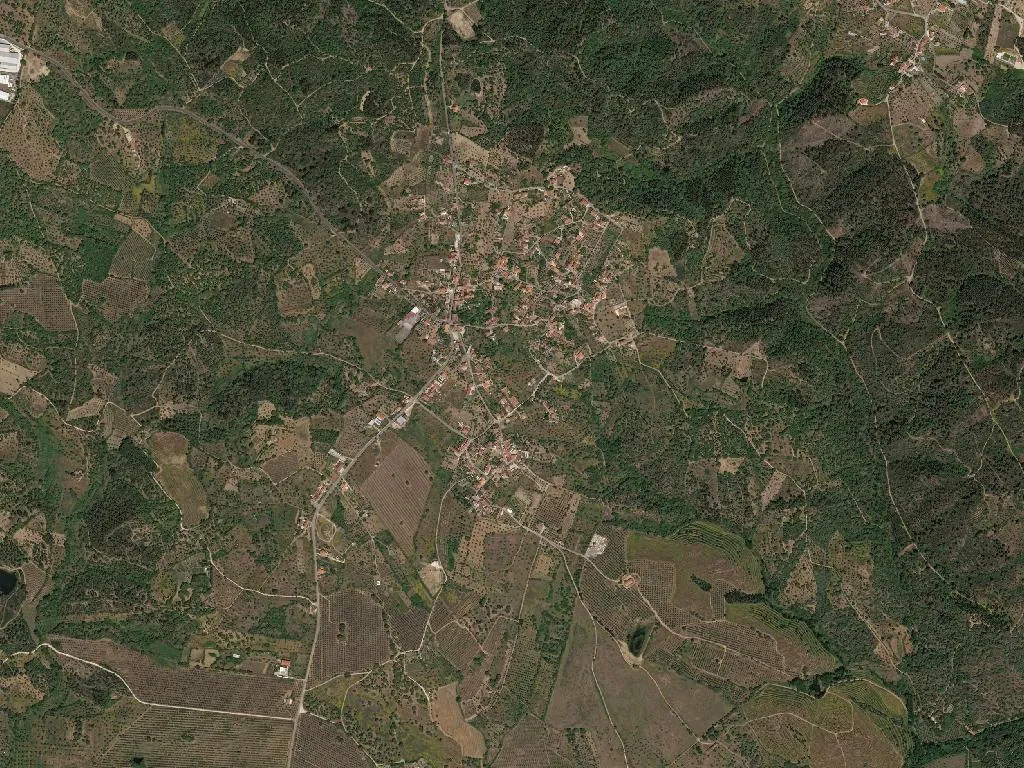
November in Valhascos is announced by the fug of new olive oil drifting from the stone presses, braided with the sweet smoke of chestnut-roasting fires. Along the single-track lanes, whitewashed walls hoard the last scraps of autumn sun; every doorway exhales steam from pots of cabbage simmering for tonight’s Festa da Couve.
Valleys that remember Rome
The name is a contraction of the Latin valles, and the topography still obeys the Empire’s logic: a shallow bowl at 174 m, scored by streams that slide west to the Zêzere. On Cabeça das Mós, a ten-minute scramble above the houses, sections of Roman paving and a toppled milestone lie half-submerged in cistus and lavender, remnants of the road that once ran between Conímbriga and Aritium (modern Alvega). The parish church, rebuilt in 1537, stands at the gravitational centre; around it, timber doors the colour of burnt honey open on to courtyards stacked with olive prunings for the winter hearth.
A cabbage worth its own party
On the third weekend of November the village hall lays out long formica tables for 200. Dinner is two ingredients only: couve-galega shredded and wilted in DOP Ribatejo olive oil, then anointed again at the table with the first cloud-green pressing of the year. Judges blind-taste oils from backyard presses; the winner’s name is nailed to the church door until next harvest. Between courses, a student tuna from Coimbra trades verses with a concertina trio, the polyphony ricocheting off stone.
Trails through olives and memory
Signposted loops strike out from the last streetlamp, threading centenarian olive groves and sweet-chestnut soutos. The 6 km climb to Cabeça das Mós gives a hawk’s view of the Tagus corridor, the river flashing like polished pewter. On Fridays the agricultural co-op unlocks its 1940s hydraulic press; visitors can watch the slow decantation that turns November’s fruit into December’s oil, then taste the result on warm pão de Mafra. There are two guest rooms in the entire parish; book early, or bed down in Abrantes twenty minutes away.