Full article about Sabacheira: Olive-Groved Ribatejo Plateau Above Tomar
Walk ancient pilgrim lanes between twisted olives, press-room aromas and schist-walled plots outside
Hide article Read full article
The crunch of boots on baked earth
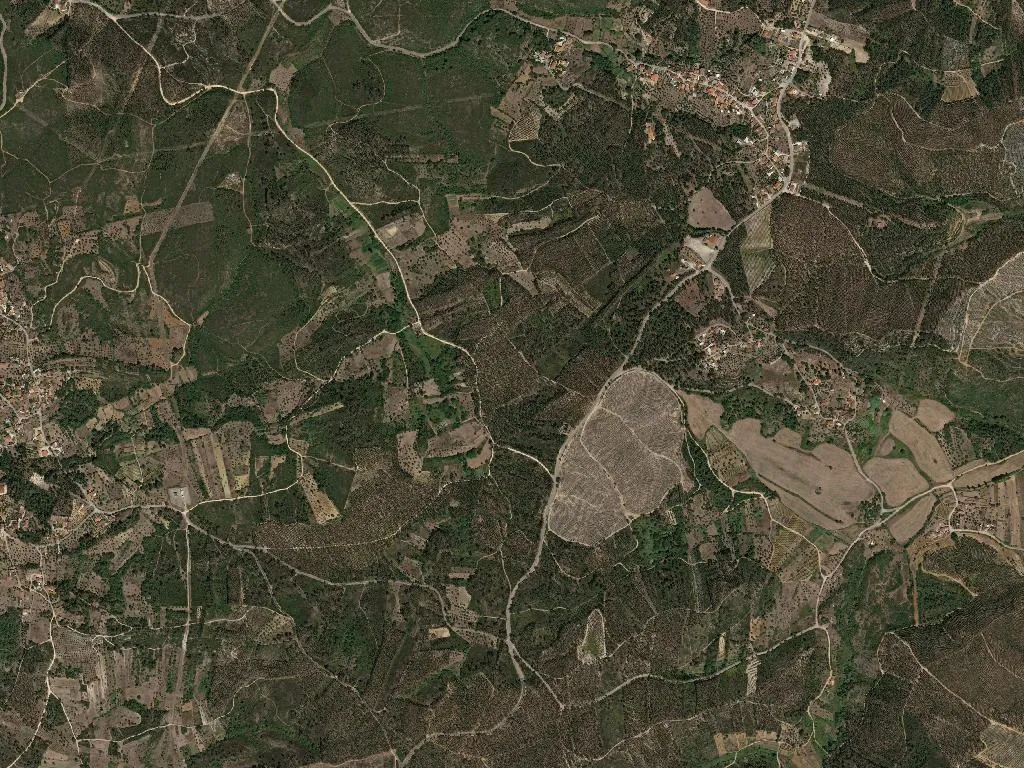
The olive groves stand like elders who have argued for centuries, their trunks cork-screwed into positions only time can invent. Late sunlight warms the schist walls and the air smells of dry soil and bruised olive leaf – if you’ve walked the Ribatejo in late summer you’ll recognise it at once. Sabacheira never announces itself; you piece it together from walled vegetable plots, empty threshing circles and lanes that fork between vines and open cork-oak woodland. At 175 m above sea-level the rural plateau breathes slowly, a world away from the Templar-bustle of Tomar ten minutes down the road.
A place people pass through – and stay
Three separate pilgrimage routes slice across the parish: the Central Portuguese Way to Santiago, the Roman-inspired Via Lusitana, and the steady stream of walkers bound for Fátima. Staffs click on tarmac, rucksacks sweat, faces still measuring the kilometres to go. Yet Sabacheira has never been a mere corridor. Palaeolithic flakes turn up after heavy rain; broken amphora handles still surface behind the plough. The Knights of Christ – successors to the Templars in this region – grazed their herds here and collected tithes in olive oil. The name may derive from the Latin Sabacium, but what matters is the land’s habit of quietly producing: grain, wool, olives, people.
Olives that speak for themselves
Talk in the café is of acidity levels and early-harvest bitterness. Ribatejo DOP olive oil is born here, pressed from trees that carpet most of the parish’s 34 km². Come November, netting spreads like giant spider webs beneath the canopy and the smell of crushed fruit drifts through every doorway. Pear orchards supply the Rocha pear you’ll see in London greengrocers, but the olive still rules the plate: kid roasted with orégãos, lamb stew thickened with bread, tomato soup glazed with a final golden swirl of azeite. The Tejo wine region completes the tableau – vines planted on limestone that once lay under a Cretaceous sea, bottled as bright white Fernão Pires and mineral Arinto.
Silence that keeps its own calendar
There is no annual saint’s day, no procession with brass band and fireworks – odd in a country where even hamlets invent a holy patron. Instead the rhythm is set by the olive harvest, the September grape-pick, the spring passage of pilgrims. Of the 844 residents, 338 are over 65; only 62 are under 15. At 24 people per km² space is the dominant crop, and silence the natural soundtrack.
Walking from Tomar into the montado
Trails invite you to dawdle. From the centre of Tomar it’s a forty-minute amble through the Mata dos Sete Montes to reach the first olive terraces; by late afternoon the sun skims the foliage sideways and every leaf turns silver. There are no waterfalls, no vertiginous lookouts – just gentle folds of land, narrow seasonal streams, dry-stone walls and gates that groan like old floorboards. The Convent of Christ is close enough for espresso, but here the monuments are a dog barking half a kilometre away, a hand-painted house number fading on whitewash, the wind combing through olive foliage with the regularity of breathing.
When the light finally dips and the trunks glow umber, Sabacheira withholds nothing and offers everything: the hush of leaves shifting, constant and reassuring, as if the plateau itself were exhaling.