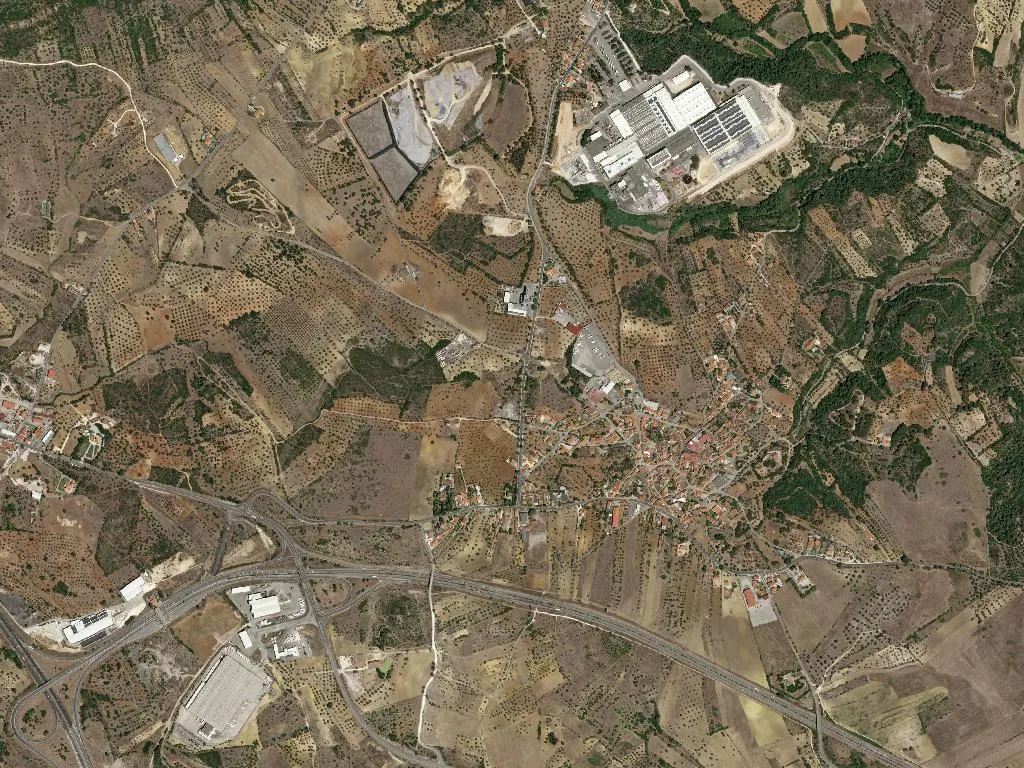
Full article about Zibreira
From miracle spring to hedgehog-haunted mills, Torres Novas’ hill village distils Ribatejo soul.
Hide article Read full article
The spring that still remembers pilgrims
Water slips over stone with the same hush it has always had, the kind of hush that makes you shut your eyes and believe the calendar has stopped turning. On the third Sunday of January, when fog boils up the Almonda valley, a queue still forms to fill plastic bottles from the spout. Once it was touted for scabies, heartbreak and hangovers; now it simply answers the thirst of anyone who needs an alibi to climb the ridge. The granite lip is polished to mirror-brightness by generations of knees; reflections of boots and smartphones blur together in its surface.
Where the Almonda begins among the olives
The river starts as a slit in the ground between two dry-stone walls—no cinematic cascade, just earth deciding to become water. The spring feeds the entire valley, yet what steals your attention are the abandoned olive mills that hedgehogs now inherit: worm-eaten axles, terracotta tiles slipped like loose teeth. One mill has been restored; its wooden wheel groans like a cheap hotel bed, but it turns, grinding theatre into flour.
The olives themselves keep custody of the slopes—trunks like arms reaching for their own shadows, bark the colour of wet plaster. Between them, bottles of DOP Ribatejo olive oil cost the same as a Lisbon supper, yet taste of absolutely nothing until a wedge of warm bread, a scatter of coarse salt, and then suddenly you understand the arithmetic of luxury.
St Sebastian and the water that wouldn’t move
The parish church still crowns the incline, vying for custom with Café Almendra next door. At four o’clock, winter light strikes the gilded altarpiece and the nave becomes a jeweller’s window; that is why the front pew fills with widows in wool coats—no fireplace required. Legend claims the statue of St Sebastian floated up the spring in the 16th century; ever since, the festival date has remained non-negotiable. The procession inches along the old national road, priest in wellingtons under his cassock—mud is ecumenical. The blessing of the water lasts three Hail Marys and the metallic cough of a German camera.
At table with a Ribatejo that skips the diet
Tasquinha da Zé dishes lamb stew only on Fridays—arrive hungry, bring cash, don’t ask for the bill itemised. Kid goat rotates in the wood oven from seven in the morning; by two o’clock the skin shatters like spun sugar and burns the lip, and no one writes a complaint letter. Migas follow the season: wild asparagus hacked with a pocketknife in spring, summer tomatoes that slide down the throat like ice cubes. Purslane soup looks stolen from Dalí—shock-green with a poached egg adrift—yet warms better than grandmother’s shawl. Finish with fig brick, fridge-cold goat cheese, and aguardente that still burns because it should. If it doesn’t, send it back: it’s tap water.
Footprints of pilgrims and dinosaurs
Zibreira is a way-station on the Via Lusitana—locals call it “where Germans beg for water”. Hikers arrive with hopeful faces and leave with socks that reek of vinegar. Four kilometres south, the Almonda’s limestone bed preserves the footprints of thirty-tonne sauropods; today the same slabs are grazed by cows staring skyward as if awaiting subsidies. Walk the trail, then double back in time for a bica at Almendra—still served with a complimentary Maria biscuit on the saucer.
Evening rings six bells and none asks whether you were happy today. Someone latches the stable gate, another lights a hand-rolled cigarette. The spring keeps flowing, indifferent to motorways, Instagram geotags and vows. Bring a bottle if you like—just don’t say you weren’t warned: the miracle is waking up here and discovering the world below hasn’t ended yet.