Full article about Alcácer do Sal: castle, salt pans & flamingo skies
Sado-side town where eel stew scents Moorish walls and dolphins glide past Roman salt pans
Hide article Read full article
The scent of eel stew drifts from the tavern on Avenida dos Aviadores, curling around the salt-laced breeze off the Sado. At low tide the riverbank glitters with splinters of glass-bright salt, and a skein of flamingos lifts from the marsh, pink wings scored against a bleached afternoon sky. Above it all, the castle keep – now a pousada – surveys the terracotta cascade of roofs that tumbles to the water’s edge. Alcácer do Sal still breathes through its river: it always has.
A fortress older than history
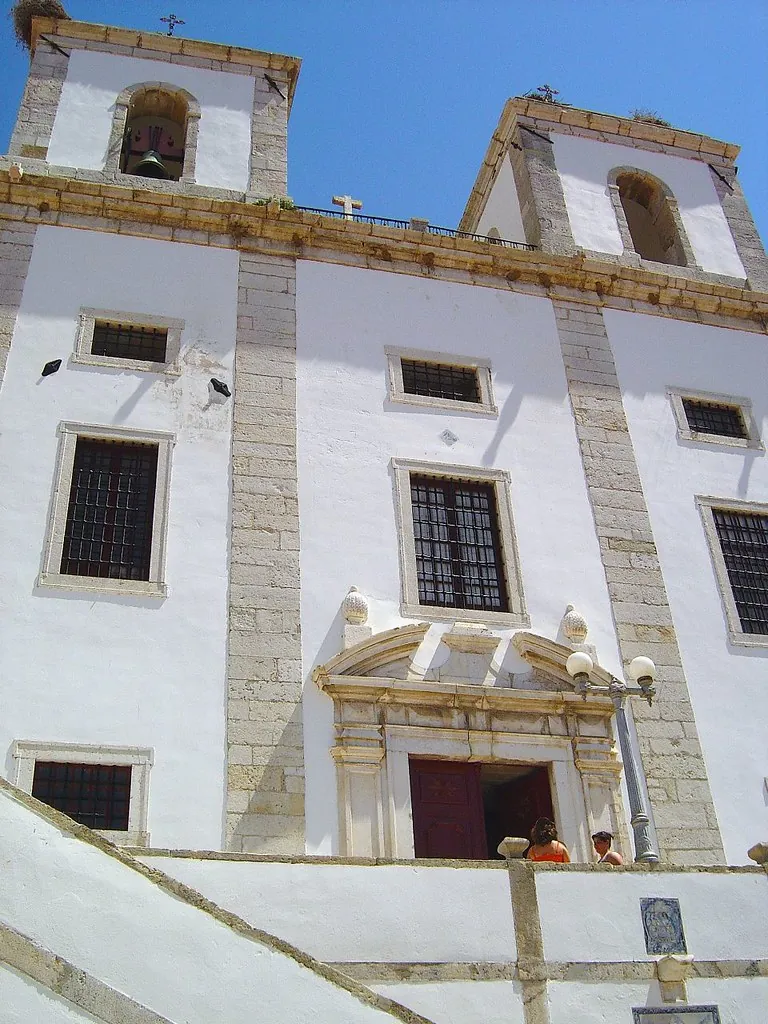
People have lived on this promontory since the late Stone Age; the Romans called the port Salacia, the “place of salt”, and stocked it with shipyards and granaries that fed Mediterranean routes. After them came Visigoths who made the town an episcopal seat, and eighth-century Arabs who coined the name al-Qasr al-Sal, “the castle of salt”. Afonso Henriques captured it in 1158, lost it, then Afonso II retook it for good in 1217 and handed the keys to the Knights of Santiago. Their legacy survives in the Manueline altarpiece of Santa Maria do Castelo (1517-20), probably by João de Castilho, and in the stone pillory that still stands in the square. In 1495 Manuel I was proclaimed king here; seven years later Pedro Nunes, the cosmographer who refined the mariner’s astrolabe, was born in a house near the river. Salt paid for churches, manor houses and convents – the white-fronted Santo António, founded 1520, among them.
Where the Sado brings eels and dolphins
Europe’s only resident pod of bottlenose dolphins – about thirty animals – patrols the estuary’s channels. The Ramsar-listed reserve shelters up to 1,500 flamingos, egrets and white storks. From the wooden pier at Carrasqueira, painted fishing boats still run across to Tróia; watch for fins slicing the copper-coloured water. Inland, trails skirt cork oak pasture to the eighteenth-century Mourisca tide-mill, its wheel still answering the moon. The 6.5-kilometre Salt Trail loops past derelict pans once worked by the Companhia das Lezírias; in summer the air shimmers above the chalk-white basins.
Migas, eels and Lenten loaves
River and woodland share the same pot here: Sado eel stew thickened with Alentejo bread; salt-cod migas sharpened with garden mint; hare rice cooked hunter-style; pork and clams simmered with coriander. For pudding, try tibornas – fried bread soaked in rosemary honey – or the cloud-light requeijão cheesecakes Confeitaria Maria Luísa has turned out since 1962. On mid-Lent Sundays, the 2-kg sweet loaf called fogaço is passed hand-to-hand in a circle on Praça da República. Olive oil carries the Alentejo Interior DOP stamp; the cheese is from Serpa, the kid from certified Alentejo herds. Local cellars pour Moscatel de Setúbal, Arinto and Trincadeira to frame the meal.
Salt that still glitters beside the river
Evening light strikes the parish church of Santiago, rebuilt after the 1755 earthquake and gilt inside with 1740 baroque carving. Stone coats-of-arms mark noble doorways; the Arco da Rua da Cadeia frames a rectangle of sky between whitewashed walls. On 25 July, the feast of St James, a procession climbs to the castle gate; in September, the Círio de Nossa Senhora da Saúde drifts downstream in flower-decked boats, a tradition since 1929. When the tide retreats, the Sado exposes dark mud, reed roots and, here and there, a tell-tale glint of white. It is the same salt the Romans shipped two millennia ago, the mineral that named both castle and town, still crystallising under the Alentejo sun on the abandoned pans of Mourisca – stubborn, patient, eternal.