Full article about Comporta: barefoot on salt-glazed Atlantic ripples
Comporta in Alcácer do Sal offers empty Atlantic beaches, stilted egrets over emerald paddies and dolphin-shadowed Sado waters
Hide article Read full article
Where the sand still remembers the tide
The Atlantic has only just exhaled; the beach is a damp manuscript of ripples and bird tracks. Walk barefoot and the grains rearrange themselves around your arches, cool, salt-glued, whispering of the estuary they came from. Overhead, a holm oak creaks—low, salt-pruned, its leaves releasing a resinous breath that collides with the iodine wind. This is Comporta’s calling card: skin-film of brine, pine in the nostrils, light so white at noon it feels like staring at polished pewter. By six it flips to molten gold, pouring across the rice paddies that stitch the land to the horizon.
One parish, twelve times the size of Manhattan, population 1,094
Alcácer do Sal’s council issues the maps, but numbers feel abstract when you drive the single road south: cork oaks far outnumber cars, and every second gate seems to lead to a rice farmer called José who still complains about the wind four decades after arriving from the Alentejo interior. Density here clocks in at 7.27 souls per square kilometre; the Sado Estuary Natural Reserve absorbs the rest—70,000 wintering birds, 200 bottle-nose dolphins, and one of Europe’s last patches of spartina marsh that hasn’t been nibbled into marina real-estate.
Saltwater versus freshwater, engineered by hand
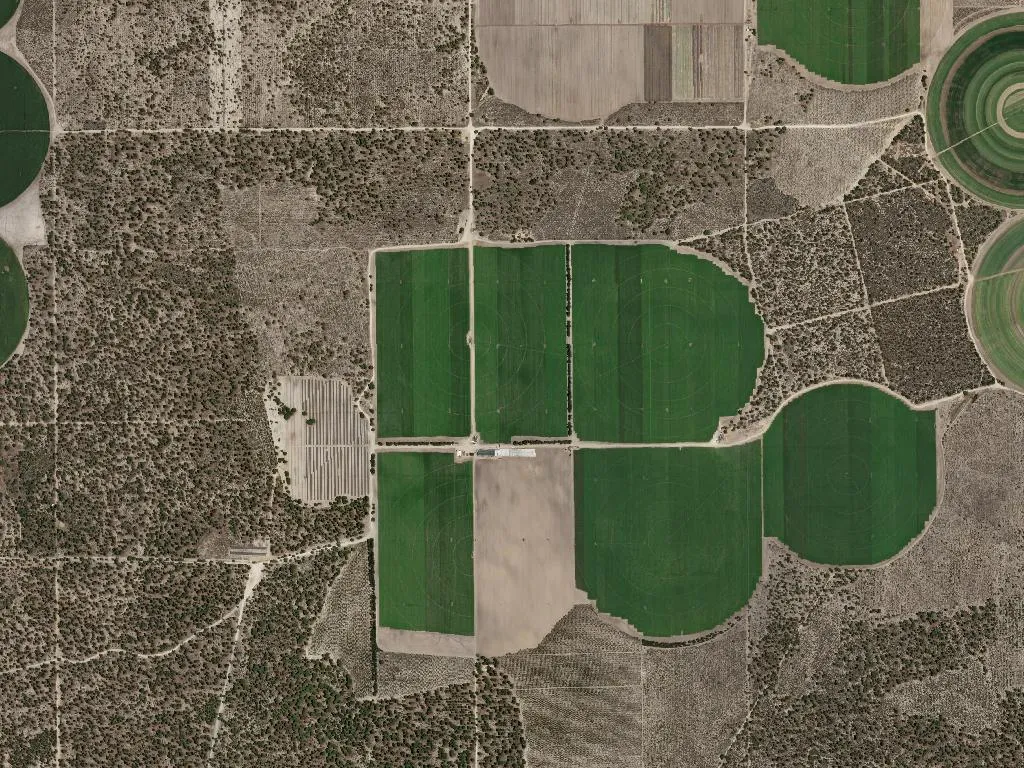
The paddy system is a 1950s hydraulic chessboard: freshwater sluices feed in from the Serra do Caldeirão, tidal gates keep the ocean at bay. In July the plants reach shoulder height; the landscape becomes a living flag—emerald against cobalt. Late afternoon turns the canals into mirrors for egrets and storks who pose like minor diplomats, tolerating photographers only if the catch is good. Stand still long enough and you’ll hear the rice itself, a papery rustle that sounds faintly like applause.
Ocean on speed-dial
Proximity to the sea dictates the colour palette: sun-bleached timber, zinc roofs dulled to dove-grey, fishing nets the shade of weak tea. Even the vegetation complies—dune thrift, sea holly, couch grass that flattens under the prevailing nortada. Tourism has crept in, but with pleasing lethargy: 129 lodgings, most of them low-slung cabanas hidden behind acacia hedges. Parking meters have not yet been invented; the nearest valet is 80 km away in Lisbon.
Between the tide line and the cork forest
Menus read like a geographical argument. Morning catch—sea bass, gilt-head bream, sole—arrives via the small fleet of Carrasqueira’s stilted harbour, where planks groan and diesel fumes mingle with whelk brine. Yet forty minutes inland the Alentejo reasserts itself: DOP olive oil from Serpa, sheep’s-milk cheese that fractures like shortbread, kid goat slow-roasted until the exterior sugars into a lacquer. The peninsula’s wines ride the Atlantic corridor: brisk Arinto that snaps against grilled fish, Touriga-Nacional blends dark enough to take on that goat. Try Casa Ermelinda Freitas’ “Reserva” blind and you’ll swear the glass smells of salicornia at low tide.
Out of season, the hush wins
From October the beaches empty for kilometres; gulls become the only pedestrians. Trails through the cork plantation narrow to tunnels of ochre bark; silence magnifies every twig-snap, every blackbird practising scales. Ageing residents—almost a third are over 65—still mark time by agricultural calendars: April flooding, September harvest, December cork stripping. António, who sells firewood from a tarpaulin on the N253, remembers three cafés in the village; only one survives, “but the espresso would shame half the roasters in the capital,” he boasts, dosing the machine with the confidence of a man who has never heard of third-wave coffee.
Copper paddies, Atlantic breath
Sunset converts the flooded fields into liquid metal; the ocean keeps breathing beyond the dunes—slow, tidal, indifferent to witnesses. Bring wellies in winter, SPF 50 in summer, and a tolerance for horizons that refuse to be interrupted. Above all, pocket the phone: white storks cruise at eye level here, and they do not do encores.