Full article about São Martinho: where cork meets salt tide at dawn
São Martinho (Alcácer do Sal) pairs Moura DOP oil, clay-oven kid and bottlenose dolphins in tidal Sado marshes
Hide article Read full article
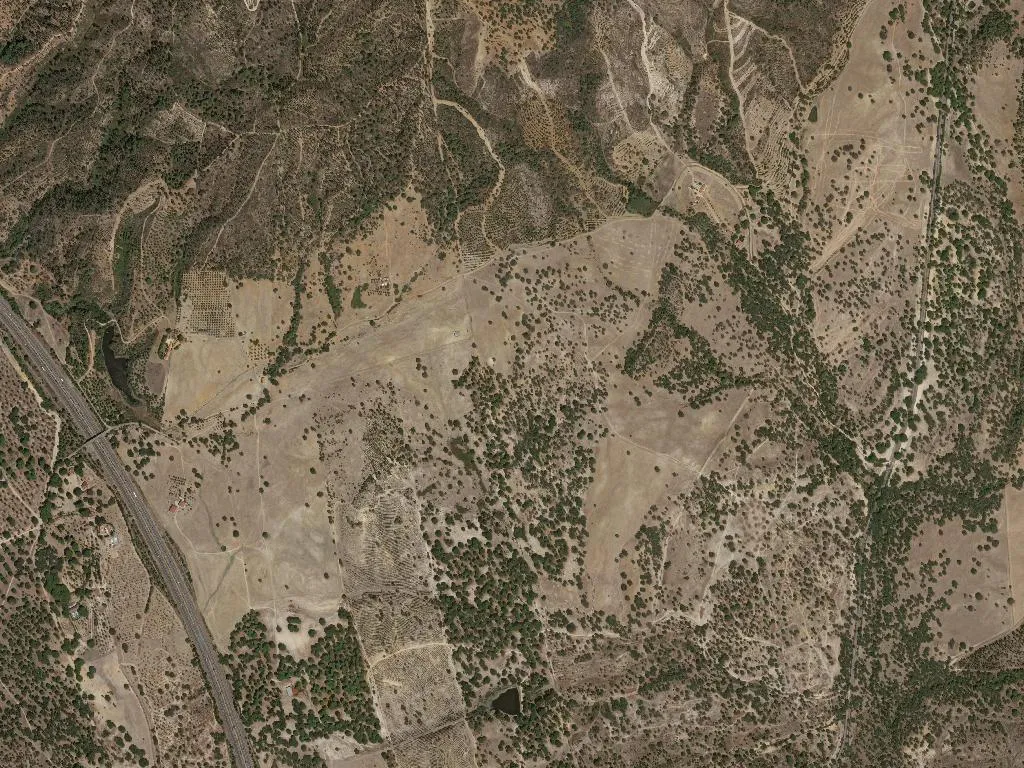
A heron’s call tears the November hush as it glides toward the Sado estuary, leaving the stubble fields below São Martinho suddenly still. At 83 m above sea-level the parish occupies barely a ripple on the Alentejo plateau, yet its 349 souls are spread across 88 km² of cork oak estates, wheat stubble and tidal marshes that smell of salt and wet clay when the Atlantic pushes up-river.
A parish that refused to disappear
The name arrives with the Feast of St Martin (11 November), when the year’s first wine is cracked open and chestnuts roast on doorsteps. Yet the settlement’s modern story is one of administrative resurrection: stripped of its own parish council in 1936 by the Estado Novo, São Martinho was reabsorbed into neighbouring Santa Maria do Castelo. Forty-eight years later, after sustained lobbying, it regained independence in 1984. The village square still marks the anniversary with an open-air mass and plastic cups of jeropiga—fortified must so sweet it makes the eyes water.
Between cork and current
Landscape here is a negotiation. To the east, the cork montado of Herdade do Montalvo unrolls its gnarled canopy over schist and sandstone; to the west, the Sado estuary’s Ramsar-listed wetlands steam at low tide. Avocets breed in the sea rush, glossy ibis feed beside the abandoned salt pans of Tróia, and since the Carrasqueira fishing fleet dwindled to ten boats, bottlenose dolphins now nose almost as far inland as Guizo. At spring tides you can stand with one boot on saline mud, the other on cracked wheat earth, and hear water gurgling through the sluices of Companhia das Lezírias’ rice paddies.
Labels that matter
The pantry is a map of protected tastes. Moura DOP olive oil—still crushed on Montalvo’s 19th-century granite press—dresses lamb stew scented with home-grown fennel. Alentejo IGP kid goat roasts for five hours in clay ovens tended by Dona Lurdes since 1962, while Serpa DOP sheep’s cheese arrives every Friday on the back of a Piaggio scooter driven by the herdsman from Pias. On feast days the Filarmónica society kitchen hauls in Bravo do Ribatejo DOP beef, simmered with smoked-charneca paprika and white wine from Pinheiro da Cruz. The ingredients are catalogued, but the conversation is not: over lunch the talk is of cork prices, tractor hours and who still hand-harvests.
The arithmetic of absence
Demography reads like a cautionary tale—174 residents over 65, only 25 under 14. Mechanised sowing on the Lezírias estates has replaced day labour; the 18:30 Rodoviária bus no longer stops. Laundry hangs motionless on Alice’s balcony, untouched since 2019. Yet the silence is generative. Walk the lane at dusk and your footfall is the loudest sound, amplified by 300-year-old cork oaks whose trunks twist like barley sugar. A marsh harrier quarters the field beyond Sr Domingos’ orchard; the only mechanical note is the diesel pump that still irrigates his oranges. In that acoustic clarity you realise how rare it has become to hear yourself think.
The sun drops behind the estuary, firing the horizon the colour of Moscatel. Dogs bark on the hour; somewhere a tractor coughs once and stills. Tomorrow the café on the square will open at seven, but there will be no custard tarts—the owner retired, and no one has taken her place. What remains is the smell of turned earth, the echo of the heron overhead, and the certainty that essentials endure long after convenience leaves.