Full article about São Francisco: Where Tagus Light Licks Saltmarshes
Flamingos wheel above single-storey streets as eucalyptus smoke drifts from beef grills.
Hide article Read full article
The Light Here Falls Differently
The light here falls differently. It is not merely the reflection of the Tagus — it is the sky that seems higher, the plain that stretches to the horizon unbroken. São Francisco hangs between water and solid ground, a parish where the wind carries the scent of salt and fertile mud, where gulls slash the air with sharp cries and silence is broken only by the hush of turning tides.
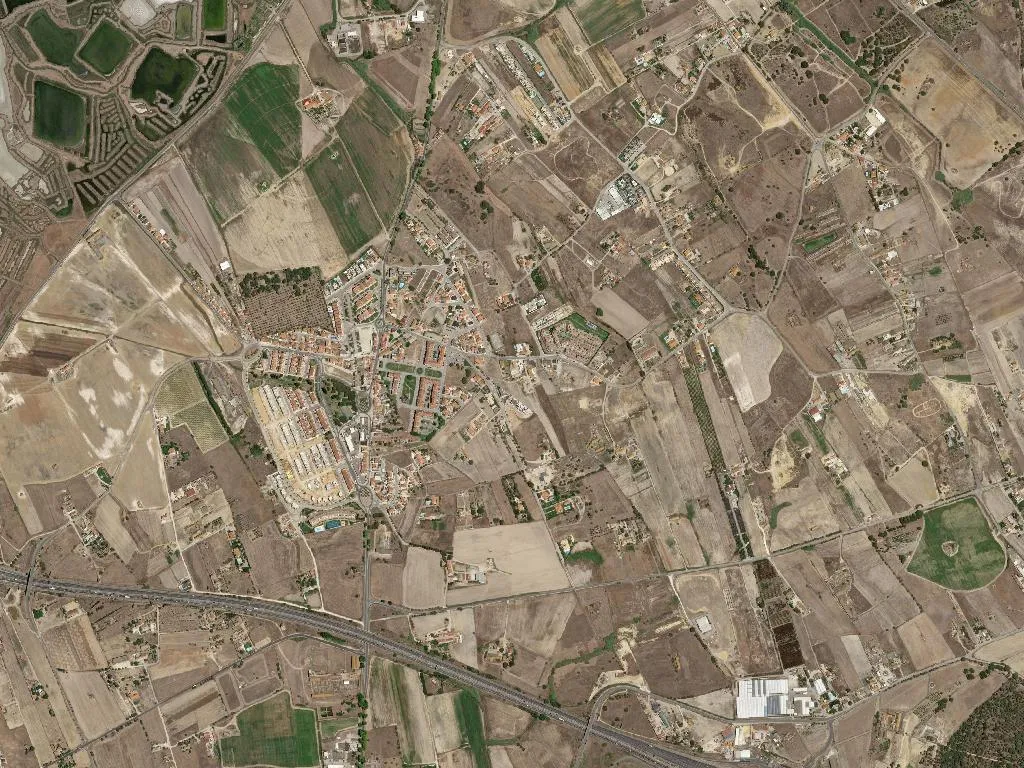
Here, 2,571 souls occupy a strip barely four kilometres square, hemmed into the Tagus Estuary Natural Reserve — one of Europe’s last great wetlands. Density is moderate, yet the feeling is of limitless space: single-storey houses, streets wide enough for cattle trucks, the low-slung skyline that defines this southern bank. At 23 metres above sea-level the village sits just above the flood line, close enough for the air to stay restless, for the light to recalibrate every time a cloud crosses the estuary’s mirror.
Where the Estuary Breathes
The reserve is not backdrop; it is metronome. On the ebb, saltmarshes emerge in khaki-and-emerald patches, veined with winding creeks that trap sky-coloured pools. At flood, the land liquefies and what was pasture becomes a broad, silver plain. Birds keep the timetable better than any clock: winter flamingos the colour of late persimmons, pied avocets stitching the waterline, spoonbills drifting like pale handkerchiefs. Walk the raised dyke at sunset and time is measured in wingbeats, in the slow creep of the moon tide.
São Francisco lies within the Setúbal Peninsula wine zone, yet it is beef that fills the tables. The parish sits inside both the Carnalentejana DOP and the Ribatejo’s Bravo beef DOP — steers reared on the estuary’s rich grasses, finished on open marshland that tastes faintly of sea fennel. In the two village restaurants (no reservations, no menus translated) the sirloin arrives smoky from eucalyptus-wood grills, fat softened to butter, each bite carrying the mineral tang of the salt flats.
Between Generations and Shores
There are 497 children here, 371 elders. Numbers that mean the primary school still rings its bell at eight-thirty, that the parish council organises a summer cinema night under the holm oaks. No crowds, no rush hour. Logistics are simple: Alcochete’s supermarkets five minutes away, Lisbon’s airport half an hour when the Vasco da Gama bridge is clear. Yet residents trade that convenience for dawn choruses of nightingales instead of delivery vans, for sunsets that gild the river without an audience of selfie-sticks.
Accommodation consists of one un-signposted villa let to returning grandparents and the occasional birder. São Francisco is not a destination in the brochure sense; it is a comma in a cycling sentence from Lisbon, a place to park binoculars between knot counts. Instagram stock is low — no Manueline cloisters, no tiled chapels. What you get is the suck of tidal mud on your trainers, the red kite that skims your hat, the straight farm road where you can walk the white line uninterrupted for a kilometre, feeling estuarine wind push salt against your lips.
Afternoon slips away. The wind eases; the water surface turns glassy. In the distance a heron lifts, wings white cut-outs against a declining sun. The briny air lingers, constant, a promise that tomorrow the tide will turn again.