Full article about Salt-wind sentinel above the Tagus
Atalaia’s ridge offers flamingo-pink estuary views 20 min from Lisbon
Hide article Read full article
A Watchtower Over the Tagus
The wind tastes first: salt crust and river silt that catches at the back of the throat before you’ve even seen the water. Then the land levels out, wheat stubble giving way to a sheet of pewter that might be sky or might be sea — the Tagus estuary at full tide, 14 km across at this point and still widening. Stand on the ridge of Atalaia and you are only 83 m above it, yet the horizon unrolls like vellum. Nothing is high here; everything is visible.
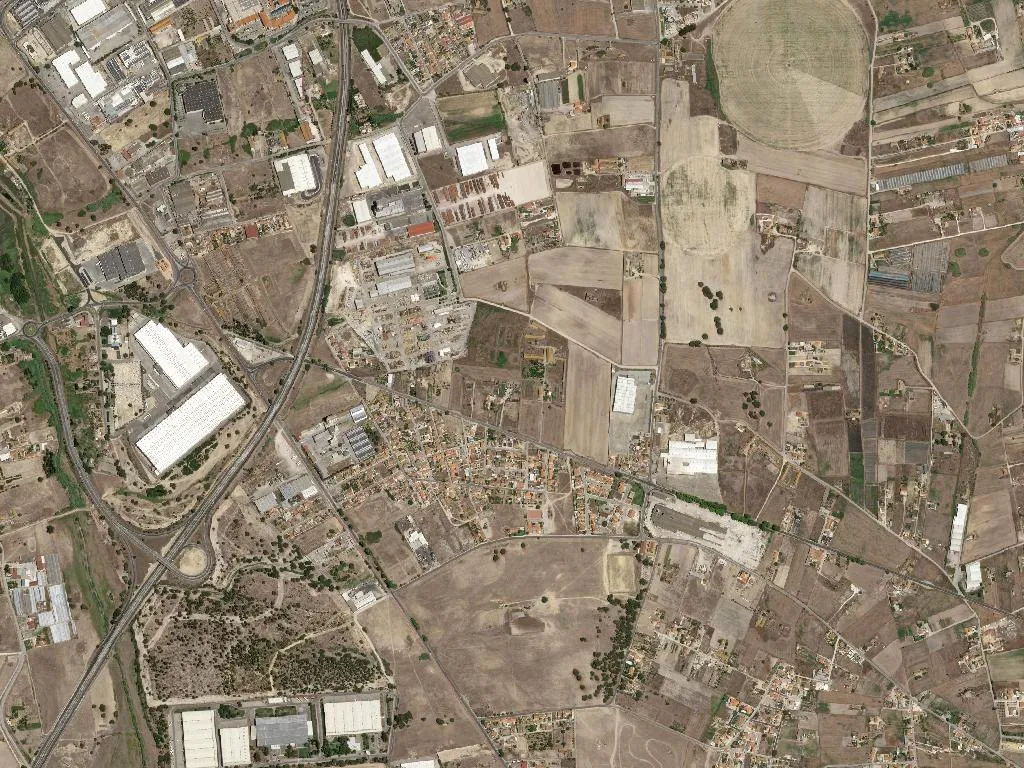
The civil parish of Atalaia and Alto Estanqueiro-Jardia occupies a slim 13 km² on the south bank of the estuary, 20 minutes south-east of Lisbon by car, a ferry ride from the capital’s industrial wharfs. Its 5,379 registered souls are spread thinly—roughly 400 per km²—between three hamlets that refuse to merge: Atalaia proper; Alto Estanqueiro, a scatter of lanes set back from the IC32; and Jardia, lowest and leafiest, tucked against the salt marsh. You hear more skylark than traffic, but the smell is pure estuary: iodine, warm mud, crushed rosemary.
The name that keeps watch
Atalaia is Portuguese for “look-out”. The title is earned. From the small 16th-century sanctuary of Nossa Senhora de Atalaia, crowning the ridge, the eye sweeps across a chessboard of rice paddies and glass-house tomatoes to the water’s pale curve. Flamingos feed in the shallows, absurdly pink against the grey; on the far shore the Vasco da Gama bridge is a line of white stitching. The church itself is built from the same wind-lashed limestone as the land, corners rounded by salt, tiles the colour of dried blood. Inside, ex-votos left by river pilots thank the Virgin for safe passage through the shifting sandbars.
Administratively the place is new-born: the parish was created in 2013 when the old municipalities of Atalaia and Alto Estanqueiro-Jardia were stitched together. Historically they were never twins. Atalaia’s charter dates from 1286, granted by King Dinis so the Tagus could be scanned for Moorish galleys. Alto Estanqueiro—literally “Upper Customs House”—belonged to the Knights of Santiago, who taxed the royal road from Lisbon to Badajoz. Jardia, first mapped in 1866, took its name from the wild rosemary that still claws at the field edges. Three hamlets, one parish, no centre: the council offices sit in an adapted primary school opposite the football pitch.
Between house and marsh
Walk the grid of single-storey houses and you clock the small signals of a place that has never needed to impress. Chimneys are topped with conical cowls to draw the Atlantic breeze; verandas are just wide enough for a coffee cup and a pair of binoculars. Walls are whitewashed annually, but the wind scours them back to bone within months. In the lanes behind Jardia the tarmac gives out; red earth tracks lead past walled gardens where loquats ripen against south-facing stone and a single vine still produces parral grapes for home-pressed moscatel.
Soundtrack: a black redstart on the television aerial, the soft pop of a shotgun as someone bags a rabbit for dinner, the 16:05 to Funcheira passing two kilometres away—a smudge of orange on the inland ridge.
What the river gives
A third of the parish lies inside the Tagus Estuary Natural Reserve, Europe’s largest wetlands west of the Danube delta. From October to March the avian census reads like a birder’s fever dream: 50,000 northern pintail, 2,000 black-tailed godwit, 60,000 greater flamingo. The best hide is a plank platform reached by a plank walk through needle rush; be there at dawn when the tide is ebbing and the mud stinks of life. Bring a flask of milky coffee and prepare to explain to passing dog-walkers why you are ecstatic about a dowitcher.
Upstream, the same water irrigates the low-lying polysilicon tunnels that supply Lisbon’s supermarkets with tomatoes in February. Between crops, rice is flooded—an echo of the marsh itself—providing feeding fields for the very birds the reserve protects. It is an uneasy truce between farmer and fowl, policed by environmental rangers who carry measuring sticks and the phone numbers of angry growers.
Taste of the lezíria
The lezíria, the flood-plain, decides what will appear on the plate. Start with Carne de Bravo do Ribatejo DOP, beef from the tawny fighting bulls that graze the salt meadows; the meat is hung longer than normal, giving a ferrous depth that stands up to the local red, a castelão from nearby Palmela. The apple to finish is the Maçã Riscadinha, striped like a barber’s pole, sharp enough to make your gums squeak, still grown on a handful of old trees in private gardens—ask at the Saturday market in Montijo and someone’s cousin will deliver a bag the same afternoon.
Where to lay your head
There is no chain hotel, no boutique conversion of a convent. Six properties—three village houses, two cottage annexe, one rooftop studio—are licensed under the local “Turismo de Habitação” scheme. Expect cotton sheets faded by sun, a coffee pot, and the parish’s fastest broadband (100 Mbps, line-of-sight to the water tower). The owner will leave you eggs from her own hens and instructions to wake early: the estuary light is best before the wind starts.
If you need nightlife, Montijo is ten minutes by car—riverside bars, a Saturday flea market, the last ferry back from Lisbon at 01:30. Return late and the road is a tunnel of eucalyptus; the smell of crushed leaves follows you into the house, mixing with the salt on your skin.
The lesson of the ridge
Come Sunday morning, climb again to the sanctuary terrace. The Tagus will not be the colour you left the night before: yesterday’s pewter is today’s beaten gold, tomorrow’s sheet of steel. The flamingos have shifted a kilometre east; a fishing boat you hadn’t noticed works the channel. The wind tastes the same—salt, mud, rosemary—but you read it differently now. Somewhere below, the parish loudspeaker tests the noon bell; a dog barks once, then thinks better of it. You are 83 m above sea level and you can see half the world, or at least the half that matters to the people who choose to keep watch from here.