Full article about São Francisco da Serra
220 m up, Atlantic breezes cool oak forests, flamingo lagoons & slow-aged lamb
Hide article Read full article
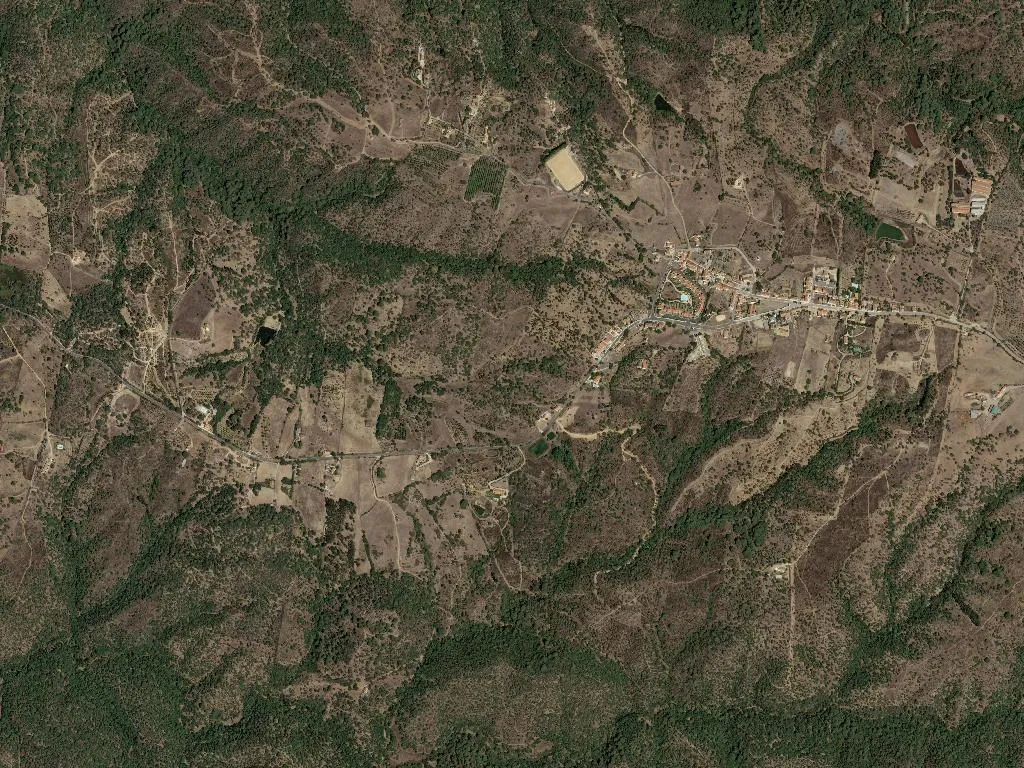
The road climbs gently through a cathedral of cork and holm oak, and the temperature drops. At 220 m above sea-level São Francisco da Serra manufactures its own micro-climate; open the door and the air is suddenly cool enough to make you reach for a jumper. Silence is incomplete: a low tide of wind moves through the tree canopy, the kind of hush that magnifies rather than breaks solitude. Spread across 50 km² of inner Baixo Alentejo, the parish counts barely 14 inhabitants per square kilometre, a ratio that allows wild grass, heather and strawberry trees to reclaim every neglected wall each winter.
Between cork forest and lagoon
The hamlet sits in a geographic sweet-spot: close enough to the Atlantic to receive salt-laden breezes, far enough east to keep the slow, Alentejo pulse. Northwards, the Santo André & Sancha Lagoons Natural Reserve shields one of Portugal’s most important wetland mosaics—freshwater meets the ocean in shallow, bird-busy meres that stage avocets, spoonbills and, in season, flocks of greater flamingo. South and east the land folds into gentle sierras clothed with cork oak and umbrella pine; stone-pines supply the kernels that turn up later in local custard tarts.
Of the 737 residents recorded in 2021, more than a third are over 65. Children—just 72 of them—still walk to the primary school beside the church, but the demographic graph resembles that of much of rural Portugal: a pyramid inverted by emigration. On winter mornings wood-smoke rises arrow-straight, resinous and faintly sweet from evergreen oak burning in open fireplaces.
A menu that begins in the pasture
Extensive grazing is not a marketing slogan here; it is the only viable relationship between land and food. Lambs fatten on cistus and wild lavender, acorn-finished pigs roam beneath the oaks, and the local beef cattle—dark, long-horned Alentejanos—move so slowly they seem part of the topography. The results carry DOP or IGP labels that actually mean something: Borrego do Baixo Alentejo IGP, Carnalentejana DOP, Carne de Porco Alentejano DOP.
In the grocery-café “O Pinto” a clay pot of pork and coriander stew is slid into the oven at nine and served at noon, the meat still holding its shape but collapsing at the nudge of a fork. Roast lamb arrives with crackling so brittle it shatters like toffee; on the rare day braised bull-tail is on offer, the sauce is thick enough to coat the rough slice of country bread that acts as spoon. Cheese is trucked in each Friday from Serpa: Queijo Serpa DOP, gold-crusted, runny at the rim, finishing with the gentle bitterness of thistle rennet.
Vines once covered these hills—the parish lies within the Península de Setúbal wine region—but phylloxera and rural exodus reduced production to a few backyard plots. Still, the scent of fermenting grapes lingers in memory; older residents recall treading the lagares barefoot while someone picked out the stalks with a cane fork.
Staying, slowly
Twenty-three places to sleep—scattered farmhouses, two small guest-houses, a couple of cork-lined cottages—are all that São Francisco da Serra cares to offer. At “Casa do Avô” breakfast is ready when the cock crows: warm bread, sheep’s-milk butter, pumpkin jam. At “Monte da Ameixoeira” the only soundtrack is cicadas and the squeak of an iron gate leading to a salt-water pool that mirrors the sky.
The territory keeps its own timetable. Trails link abandoned threshing floors to granite outcrops where griffon vultures ride thermals; lichens map continents on the flank of a 200-year-old cork oak. When Atlantic fog wells up from the valley the trees become charcoal drawings, and the smell of wet earth mixes with the dry sweetness of cork bark. Dusk arrives abruptly: sunlight drains from the stripped trunks, stone walls exhale the day’s heat, and the first stars appear before you have buttoned your coat. No one urges you to move on; the agricultural calendar still carries more weight than the tourist one, and that, more than any brochure promise, is what makes time slow.