Full article about Paio Pires: Salted Breeze & Fig-Scented Slopes
Where Tagus tides meet orange-bagged walls and custard-tarts chime three o’clock.
Hide article Read full article
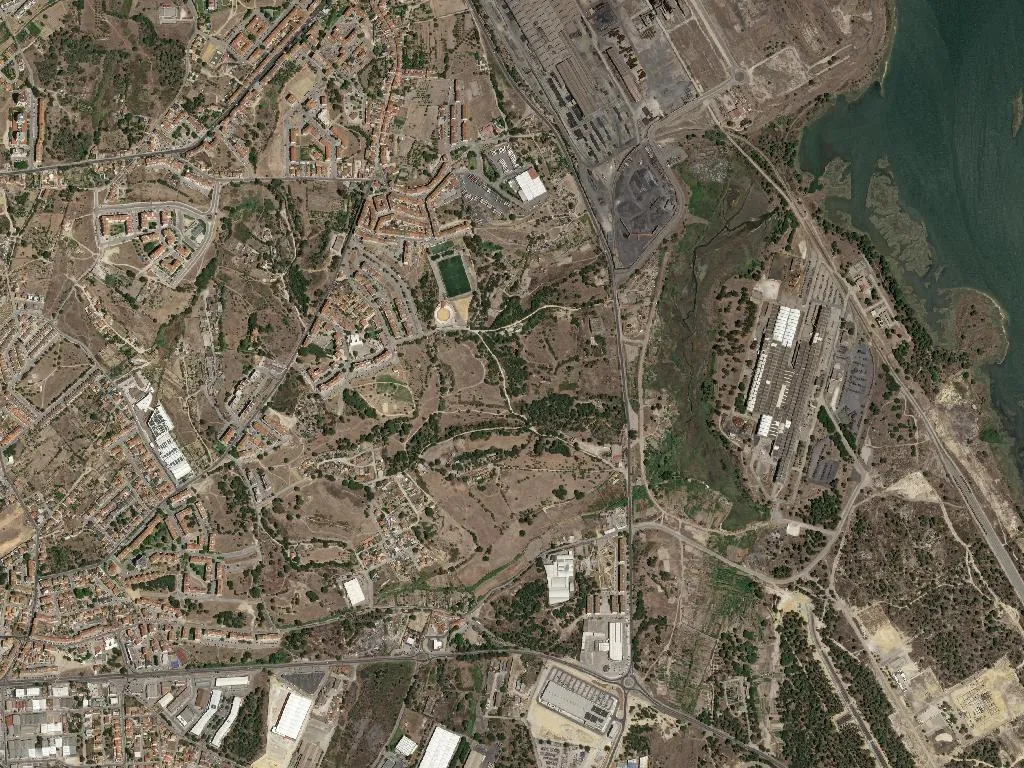
The tarmac is still exhaling the day’s heat when the Tagus estuary breeze slips up Rua dos Pescadores and tangles itself in the washing lines. It smells of simmering crab in the back kitchens, of diesel from the boats nosing back into Seixal, of dust from the football pitch where my cousin still turns out on Sundays. Fourteen metres above sea-level, the hills are not “gentle undulations”; they are the slopes I sprinted down barefoot to snatch figs, racing along avenues that didn’t exist when my grandmother commuted from Barreiro on the wooden ferry.
Paio Pires swallowed people whole. First came the Lisnave shipyard workers, then the families priced out of Lisbon. Apartment blocks shot up like fungi after rain – and it rains hard here, a salted dew that crusts windows white. Yet between the new two-beds you’ll still find old Senhor Joaquim’s estate wall where neighbours leave carrier-bags of oranges and ask nothing back, and Dona Alice’s olive tree that no one dares cut down.
Scars on the map
Two listed monuments, the brochures say. One is the mother church where I was christened, married and buried my father – stone so worn by elderly kisses it looks river-smooth. The other is Quinta do Algarve, now a €30,000 wedding venue where I once nicked bruised oranges to fill my uncle’s Fiat 127 tank.
Sixteen square kilometres on the cartographer’s table; for us it is the walk from school to Café Central, where António still serves espresso with the same 1983 wooden-handled spoon and Maria times her custard-tart batch for three o’clock sharp. It is the shortcut through the maize to Seixal’s river beach where we swam in May long before sewers were laid.
Vineyards and estuary
“Wine region,” they announce. We drink red from five-litre jugs that Sr Manuel fetches over the river in Palmela – the same wine that flavours Good-Friday seafood rice. The only vines left are three rows in Zé-the-baker’s yard; his muscatel stings harder than aguardiente and is poured only when the month-end ribs stop hurting.
There are six holiday flats, yes – all in the block my cousin abandoned for Paris. German guests photograph Monday’s bin bags and ask for “the centre”. I point to the café, the Galp petrol pump, the butcher who lets you pay at month-end.
At dusk, when kitchen lights flick on and pans begin their clatter, Paio Pires smells of frying garlic, of laundry that never quite dried, of televisions talking behind every door. The Tagus glittering beyond is no romantic promise – it is the reason my father spent thirty years as a Lisnave brickie, the seven-a.m. launch his own father caught for four decades to reach the Seixal yards. And the white lime on the old wall isn’t stubborn memory; it is what remains of the surface where my mother learnt to ride a bike, still there between two four-bed garages priced higher than she earned in her lifetime.