Full article about Granite Manor, Lima Mist: Arcos de Valdevez at Dawn
Walk from 15th-century Paço da Giela to Romanesque São Paio in one sunlit parish breath
Hide article Read full article
Morning Light on Granite
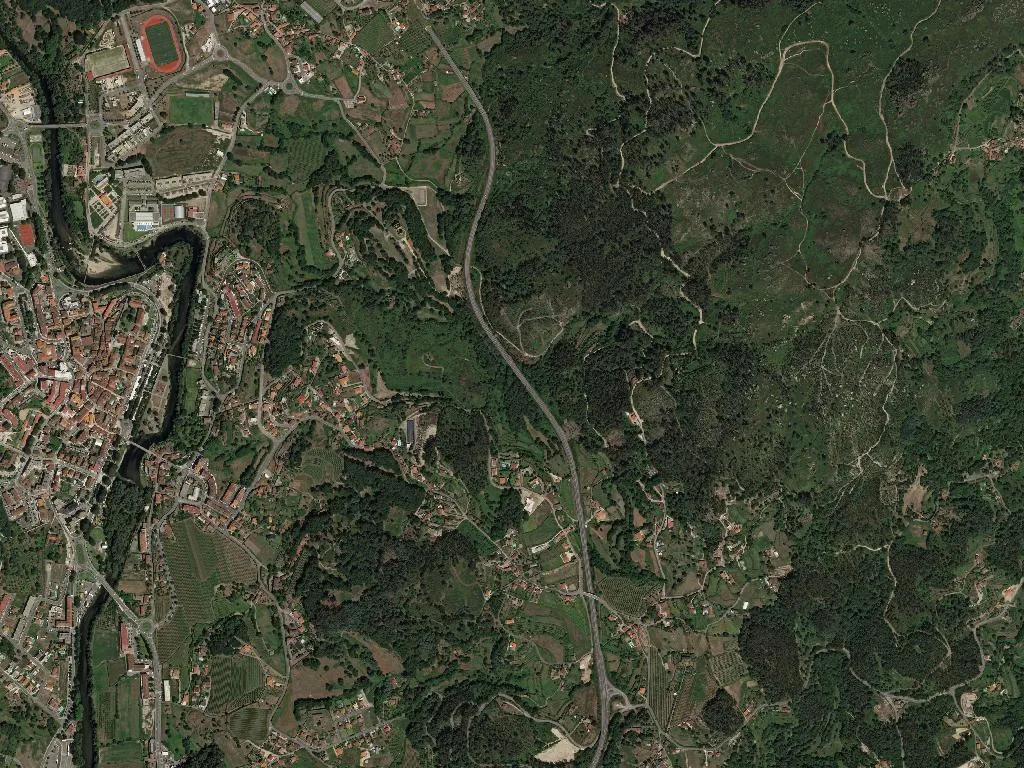
The morning sun slips through the chinks of Paço da Giela’s granite, painting bars of gold across walls that have shouldered the weight of six centuries. Beyond the courtyard, the River Lima glides south-westward, its whisper threading through the silence with the faint strike of a bell—perhaps from São Paio’s Romanesque church, perhaps from Espírito Santo’s baroque interior across the lane. In the merged parish of São Paio and Giela, time is measured by the valley’s breathing: unhurried, tidal, almost geological.
Stone That Speaks
Paço da Giela is no fairytale castle but a fortified manor built in the 1400s by the local gentry who taxed the river crossing. Its square keep still commands the crossroads, stone corbels intact, while inside you’ll find a rare first-floor medieval kitchen—smoke-blackened beams, a granite basin for game, the lingering scent of resin. A three-minute walk brings you to São Paio’s church, where blind arcades and crude capitals survive from the 1100s; inside, the only colour is the soft ochre of candle wax on limestone. Contrast that with Giela’s Igreja do Espírito Santo, where gilt-carved angels explode across the high altar, catching every flicker of light. Together the parish holds seven classified monuments, two of them National Monuments; the Lima’s multi-arched medieval bridge stitches the two sides into a single story.
Pilgrim Footfall
Northern Way walkers bound for Santiago pass straight through, staffs clicking on the cobbles, but local pilgrimages draw bigger crowds. On the last Sunday of August, the Romaria de Nossa Senhora da Lapa climbs 6 km uphill to a tiny chapel; women carry china baskets of bread and roses, men shoulder the silver-adorned litter, brass bands pause every switchback for breath and fireworks. The newly listed Romaria de São Bento do Cando keeps older bargains alive: wax limbs left in thanks, coins pressed into crevices, a low murmur of Latin while incense drifts through oak leaves.
Cachena on the Plate
The star ingredient is Carne Cachena da Peneda DOP, beef from the miniature, long-horned cattle that graze free-range inside Peneda-Gerês National Park. Expect midnight-colour rojões—cubes slow-stewed with liver, blood and bay— or simply grilled steaks finished with coarse salt and young olive oil. The obligatory pour is a sharp, lightly spritzy vinho verde from the Lima valley; the parish borders the Ponte da Barca sub-zone, so you are drinking within sight of the vines. Feast days bring convent sweets: papo-de-anjo (egg-yolk “bellies” in syrup) and crisp cavacas that shatter like meringue.
Green That Breathes
Marked trails leave the lane ends and climb straight into the park’s oak-and-heath scrub. Within ten minutes the only sounds are the wheeze of cuckoos and the river turning below. On hot afternoons locals swim in the Lima’s granite pools, water the colour of chilled white wine.
A Parish That Grew
Forged in the 2013 nationwide merger, São Paio-Giela defies rural shrinkage: between 2011 and 2021 the head-count rose to 1,676. Back-gardens still grow cabbages for winter soup, and every September the council crowns a Rainha das Vindimas to parade through the vines. The parish flag flies a stylised Giela tower above São Paio’s bridge—two hamlets fused into one identity.
At dusk the granite glows whisky-colour and footsteps echo back from the bridge arches. Wood-smoke drifts down the narrow lanes, mingling with the river’s cool exhale. No one hurries; tomorrow the Lima will still run and the bells will ring again.