Full article about Cendufe: granite hamlet where Gerês water sings
Oak-shadowed lanes, Cachena cattle and camino cafés in Arcos de Valdevez
Hide article Read full article
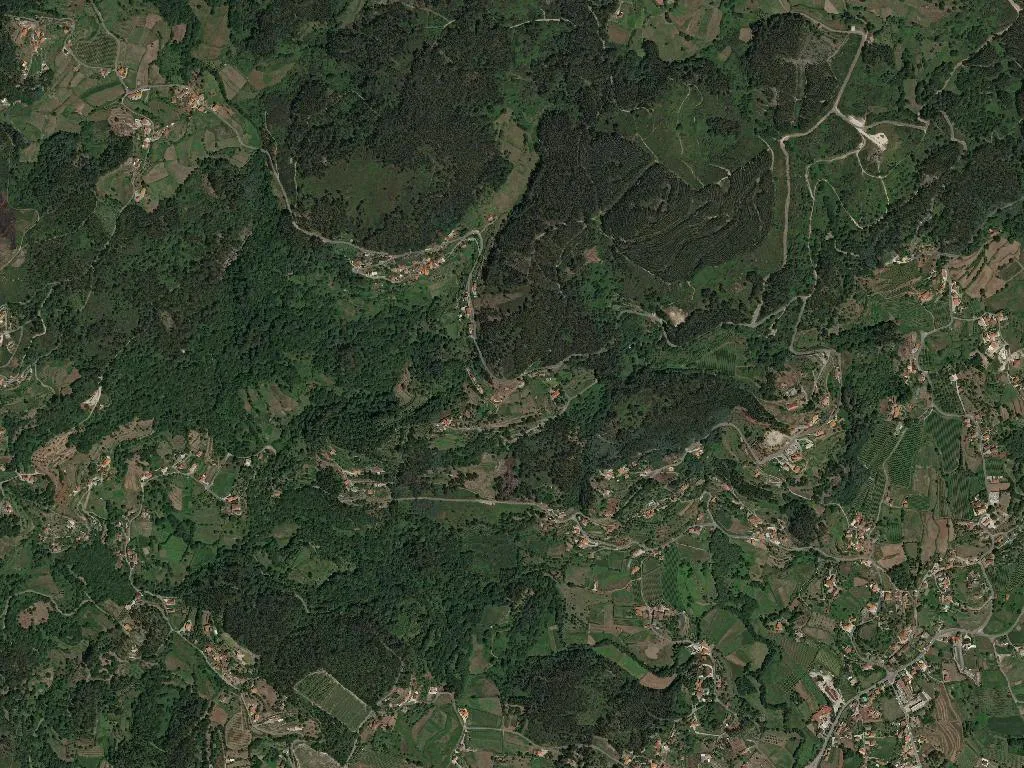
The water announces itself before you see it. It slips over graphite-dark granite, moss-edged and sun-dappled, in a narrow valley where light falls sideways through oak and chestnut canopies. Cendufe inhales and exhales at the pace of the Serra, 308 souls spread across 315 hectares that climb to 292 m – just high enough for the air to carry a damp coolness, even in August when the rest of Portugal wilts.
On the threshold of the park
The village is stitched to the eastern hem of Peneda-Gerês National Park. Green rules the horizon and the calendar alike. Paths that zig-zag upwards thread through pastures where long-horned Cachena cattle – the mahogany-coloured, autochthonous breed – graze untethered. Their meat, Cachena da Peneda DOP, is prized for its leanness; the less fat, the higher the price, a paradox that butchers in Braga and Porto exploit with gleeful signage.
Six neat guesthouses now flank the single main lane because, since 2017, the coastal variant of the Camino de Santiago has been rerouted through here. Late afternoon brings pilgrims in mud-spattered boots, thighs trembling, perched on the café wall. A mini (the local 20-cl beer) and an espresso are the currency required to face tomorrow’s 27 km to Ponte de Lima.
Faith that moves the mountain
Devotion here works like a sundial – visible when the sun shines, still ticking when it doesn’t. The Festa de Nossa Senhora da Lapa (second Sunday of May) and the Romaria da Peneda (first weekend of September) turn the parish into a Minho metropolis. For three days Cendufe’s head-count quadruples; churchyards swell with Galician number-plates, smoke from charcoal grills drifts above the bell tower, and the café runs out of ice before the church bells ring nine.
Outside these crescendos the village returns to whisper-level. Forty-six children still kick scuffed footballs in the primary-school playground – yes, the school survives, sustained by a stubborn head-teacher and EU rural funding. The 82 retirees know every ripple of the Rio Vez and can recite who owns which plot of vines by memory. Population density – 97 inhabitants per km² – means you can hear both your neighbour’s television and the wind combing through maritime pines.
Terraced vineyards
The Vinho Verde demarcation creeps up these southern slopes. Vineyards climb in low, schist-walled terraces first carved by Cistercian monks in the 12th century. Granite stores the day’s heat, releasing it slowly after dusk, while mountain humidity locks acidity into the Loureiro and Alvarinho grapes. There are no architect-designed wineries; instead you’ll find stone treading-tanks (lagares) behind barn doors, the scent of fermenting must so thick it stains the air purple and sends you straight back to childhood harvests, barefoot and sticky.
Night falls without competition. Coastal light pollution is 40 km away, so constellations burn cleanly above the black ridge of Serra Amarela. A single dog barks. The river keeps its own slow pulse below, reminding anyone still awake that the mountain has a heartbeat, and it is not in a hurry.