Full article about Miranda: Arcos de Valdevez’s granite eyrie above the fog
Miranda, Arcos de Valdevez—join 4 a.m. candle pilgrimages, taste oak-fed Cachena steak and sleep in 1873 granite cottages lost in the clouds
Hide article Read full article
The morning rolls in like damp wool
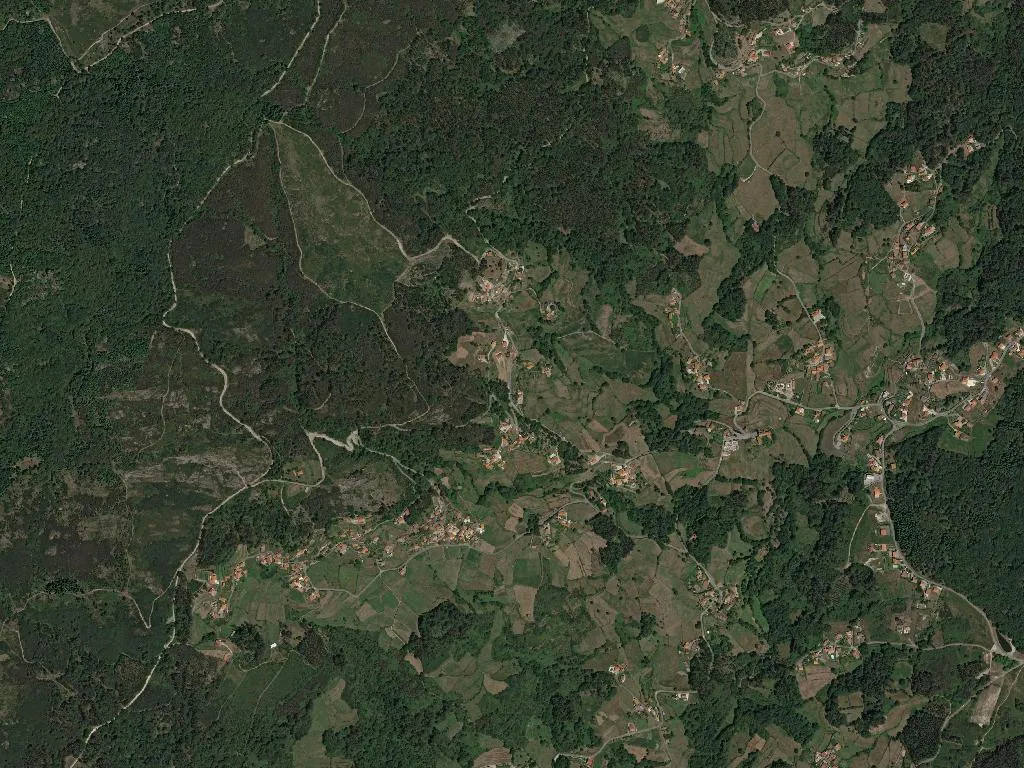
At 561 m the fog unpicks the terraces one stone wall at a time. By the time the sun thins it to gauze, Miranda—one of Arcos de Valdevez’s highest parishes—has already been awake an hour, listening to the Vez river that no one can see.
Granite cottages appear to grow out of the granite itself; only the Cachena cattle move, knee-deep in marsh grass. There are 245 inhabitants spread across a thousand hectares, and the average age would make a university town weep.
Three calendar markers
15 August: Nossa Senhora da Lapa, a torch-lit procession that ends with roast kid and vinho abafado.
First weekend of September: Festas da Porta, when locals haul the parish’s biggest pot down to the square for caldo verde at dawn.
Third Sunday: the Romaria da Peneda. Pilgrims leave Miranda’s chapel at 04:00, candles in hand, and climb 6 km of granite steps to the sanctuary above. Bring a fleece; mountain air at that hour tastes of iron.
Mountain vines
North-facing slopes and 600 m of elevation punish any vine that tries. Harvest is three weeks behind the valley; yields average 800 bottles a year. Locals keep every drop—what’s left after winter drinking goes into the cows’ feed.
Beef that tastes of acorns
Cachena da Peneda DOP cattle roam free, topping out at 250 kg. The meat is the colour of Barolo and carries the flavour of holm-oak mast. Phone the village grocer 24 h ahead (00 351 258 52 ...) and ask for pernil steak—€18 a kilo, wrapped in brown paper still warm from the cleaver.
Where to sleep
Four granite houses are available through Arcos town hall’s rural tourism scheme. None has a television; all have wood-burners. The oldest, Casa do Eirô (1873, restored 2019), sleeps four for €80—no neighbours except the church clock.
Trails
PR4 MIR: an 8 km loop that leaves the church, climbs to wind-bent heather, and passes three granite pig-breeding markers older than Portugal’s founding. Yellow waymarks, no fountains—carry water. GPS: 41.8..., -8.2...
The Portuguese Coastal Camino waymarks are painted on the same stones, but most walkers stay in the valley. The handful who detour sleep in the casa párroquia—eight beds, €5 donation to the cleaner. When the fog returns, mobile reception dies; the only light is the church porch bulb left on until 23:00.