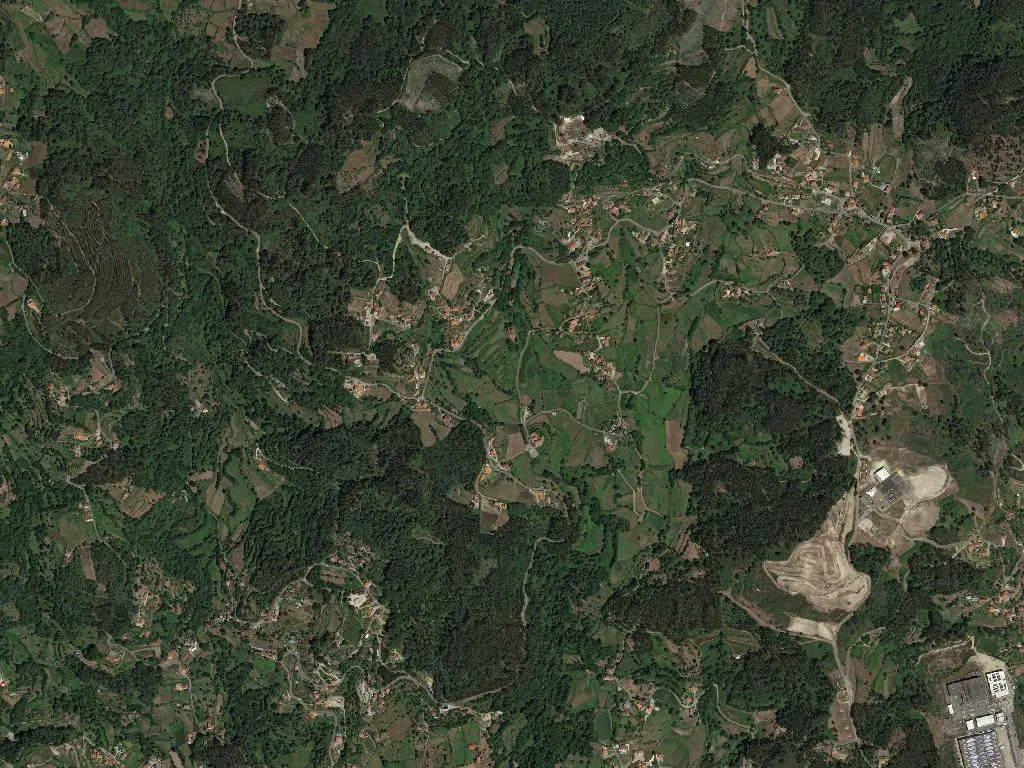
Full article about Monte Redondo: Dawn Fog & Granite Silence
Monte Redondo, Arcos de Valdevez, hides tiny cachena cattle, frost-scented vines, granite benches; sip sharp house wine and hear bells ring time itself.
Hide article Read full article
The dawn air smells of earth singed by frost. Monte Redondo’s summit is only 230 m, yet it feels higher when the River Vez exhales fog and presses its ghost-coloured face to every window. Silence is the default setting, broken only by Tonho’s dog barking at the same invisible intruder or by the church bell no-one winds yet still strikes seven and nine, as though time itself needed a nudge.
Rising Ground
Local etymologists swear the name translates from the Latin mons reddens, “the mountain that gives back”. What it gives is a liturgy of soil and seasons. The parish was officially registered in 1835, but the chapel of St John the Baptist was already recounting miracles when the first military surveyors hesitated over where to place the valley. There are 196 names on the roll, yet on any weekday the hamlet holds far fewer. Those who remain have palms leathered by vineyard pruning and spines curved around backloads of firewood.
Granite is not scenery here; it is upholstery. It forms walls, terrace edges, the bench where you pause before the final pull to the ridge. The cachens—those small, dun-coloured cattle awarded IGP status as Carne Cachena da Peneda—graze unattended, heads low, nosing the same ground our grandfathers trod barefoot. Stubborn and pocket-sized, they know the way home better than any sat-nav.
Between Vine and Vigil
Vines climb schist terraces my great-grandfather already declared too steep for sanity. Each March or April, feet lock into last year’s footholes while winter’s pulse still throbs in the soil. The resulting wine is strictly house fare: light, sharp, almost green, the sort that snaps your teeth together before unfurling a slow warmth across the tongue. It is not for cellaring; it is for swigging young with rojões—cubes of marinated pork—or sardines roasted on a roof-tile.
August belongs to Nossa Senhora da Lapa, September to Senhora da Porta, but if you want the full demographic of Monte Redondo, arrive in late June. The pilgrimage to the Peneda sanctuary begins in the chapel, drops to the Romanesque bridge over the Vez, then climbs the mountain track step by measured step. Black-veiled grandmothers walk beside children whose trainers gape open. Live chickens squawk in wicker cages, promises are murmured, and plastic bottles of spring water travel up the slope to soak blistered feet on arrival.
Waymark for Pilgrims
The inland route of the Caminho Português da Costa slips in via Carralcova, scales the Carril track and unceremoniously spills onto the EN202. Pilgrims arrive mud-plastered, boots clay-heavy, eyes begging for a bed that doesn’t creak. Some sleep under the wayside cross; others knock on Dona Alda’s door—she always opens, even when supper is nothing more than bean broth and a fried egg.
At dusk, smoke rises ruler-straight from chimneys, carrying the scent of dry oak and scorched bay. The ridge turns black against a cooling sky, and somewhere below a cachena lows for the calf that wandered into the gorse. The note is low, ancient, unhurried—a reminder that this place is not a postcard but a lungful of granite air.