Full article about Oliveira’s olive-oil hush beneath granite bells
Vez valley village where romarias linger in olive branches & baroque bells
Hide article Read full article
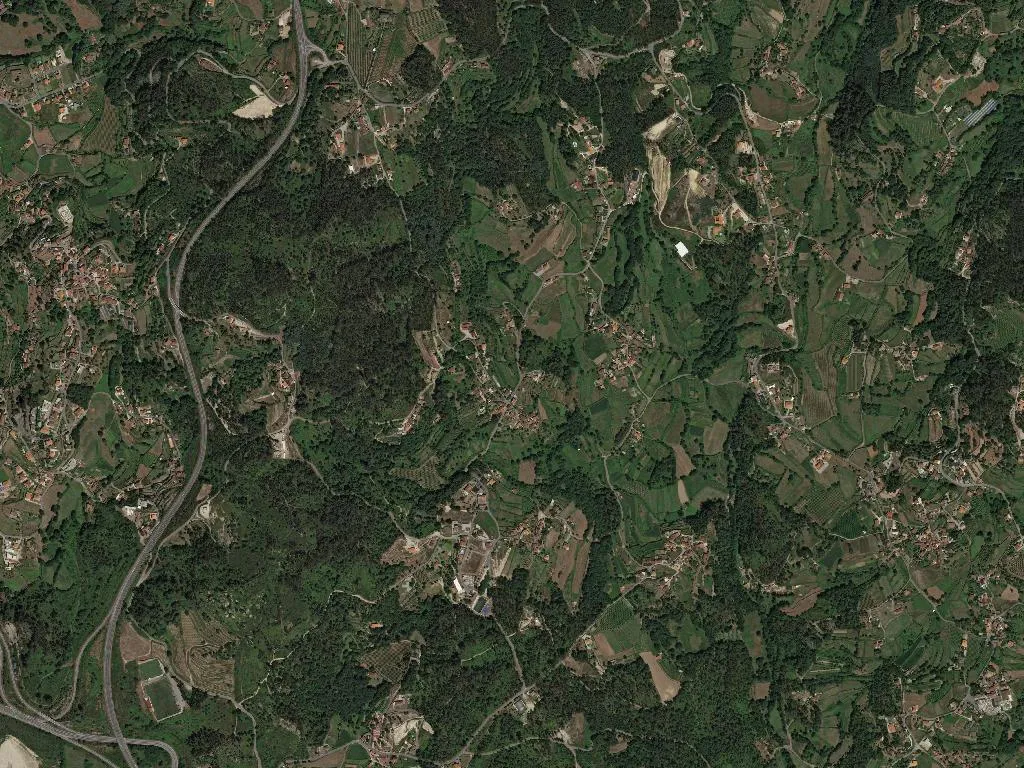
The bronze bell of Igreja de Santa Maria strikes twice; its low note rolls across the Vez valley, ricochets off the granite escarpment and dissolves in the morning haze. Dried olive branches still dangle from nails hammered into house-fronts after last autumn’s romaria, twitching whenever the wind slides down from the Serra da Peneda. Oliveira wakes slowly, at a tempo that acknowledges haste has no jurisdiction here. Centuries-old olive trees are still harvested by hand, their fruit pressed into the peppery oil that finishes every bowl of caldo verde.
Stone, water and belief
The village has radiated from its mother church since at least the sixteenth century, when Marian devotion set the calendar for collective life. The building blends baroque and neoclassical restraint—no gilded excess, just whitewashed stone and the smell of beeswax. Higher up, the solitary chapel of Nossa Senhora da Lapa crowns a granite ridge; processions climb to it between chestnut groves whose floors crackle with hedgehog husks. August brings the Festa de Nossa Senhora da Lapa: sardines char on makeshift grills, smoke drifting across the churchyard. In July the Festas de Nossa Senhora da Porta light up the village square for a night-time procession that threads through lanes barely two metres wide. September, though, is dominated by the Romaria a Nossa Senhora da Peneda: twelve kilometres on foot along medieval pack-animal trails, oak leaves flickering overhead, hymns rebounding off schist walls.
Cachena beef and vinho verde
At the only tasca, the bitoque arrives crowned with Cachena beef from the neighbouring hills—free-roaming cattle whose meat is firm, almost burgundy in colour, tasting of high-altude grass. Rojões follow the Minho formula: pork nuggets swimming in dark, cumin-scented blood sauce, sided by dense corn bread faintly sweet from local maize. Dessert is bolo de oliveira, a sponge perfumed with olive-leaf infusion and heather honey, its bitterness lingering like earl grey. The sub-regional vinho verde—slightly pétillant, lemon-zip—cuts cleanly through the stewed richness.
Inside the National Park
Oliveira sits at ninety-three metres above sea level, lungs filled by Peneda-Gerês National Park. The river Vez coils below, carving granite pools clear enough to watch trout turn. At Parada do Vez you can paddle-board between time-polished boulders, the water cold even in July. A signed loop, the Oliveira–Portela trail, climbs from the church to the chapel of Lapa, gifting views over corn terraces and olive groves that spill towards the river. Medieval stone arches—old boundary markers—still quarter the landscape, reminders that land was once measured by outstretched arms. The Caminho da Costa of the Santiago route crosses the parish; pilgrims pass stone granaries furred with moss, their rucksacks brushing rosemary hedges.
After dark, in four converted granite houses certified as Dark-Sky accommodation, the Milky River spills overhead so densely it seems to sag. Below, the Vez keeps its ancient monologue: water talking to stone, a conversation without conclusion.