Full article about Rio de Moinhos: Where Waterwheels Still Outrun Alarm Clocks
Granite mills creak at dawn, wood-oven corn-bread rises, and the River Vez carries priests, pilgrims
Hide article Read full article
Water that Still Runs the Mill
The granite grinds before the espresso machine does. At seven o’clock, when the village café is still shuttered, the waterwheels of Rio de Moinhos begin their low, arthritic creak—five survivors from an original twenty-three that once powered this pocket of the Alto Minho. Oak paddles nudge against stone, fed by a stream that locals stubbornly upgrade to “river” status the moment it leaves the Serra da Peneda. Up in Outeiro the wood-fired oven is already breathing: three oak planks, a fistful of corn-bread dough, and conversation that rises with the smoke. The recipe never changes—mill flour, stream water, salt and the one ingredient no one writes down: time measured in firewood and gossip.
When Water Was King
The single-arch medieval bridge—no parapet, just a limestone leap—was built to spare pilgrims the Roman road to Santiago. Today it launches eight-year-olds into August swimming holes. Follow the signed “Mill Trail” and you’ll clock two hours, three if you pause to photograph moss-covered paddles or accept a handful of warm figs from a stranger’s orchard. Pack water; João’s bar unlocks only after lunch and only on Mondays.
Stone Silence, River Song
Inside the parish church the gilded altarpiece is admirable, but the acoustics are the real marvel—footsteps fall into a hush so complete you lower your voice without thinking. In May, processions climb to the hilltop Lapa chapel under umbrellas and hymn sheets; in August the priest boards a painted boat and leads a flotilla down the River Vez, chasuble hitched high, clutching a sandwich of broa and chouriço while the congregation cheers him on from rubber boots.
Cachena Beef, Corn Bread and Razor-Sharp Wine
Cachena cattle—small, long-horned, protected by DOP status—graze the surrounding hills. Their meat is the house speciality: two steaks suffice, three if you’ve walked the full trail. Expect skin-on potatoes and a fried egg riding shotgun. Cod goes into the same wood oven until the skin blisters, then meets new-season olive oil that still stings the throat. The pour is Loureiro vinho verde, served at cellar temperature—i.e. cold enough to slice the fat like a barber’s blade.
Granite, Water and a Village Head-Count
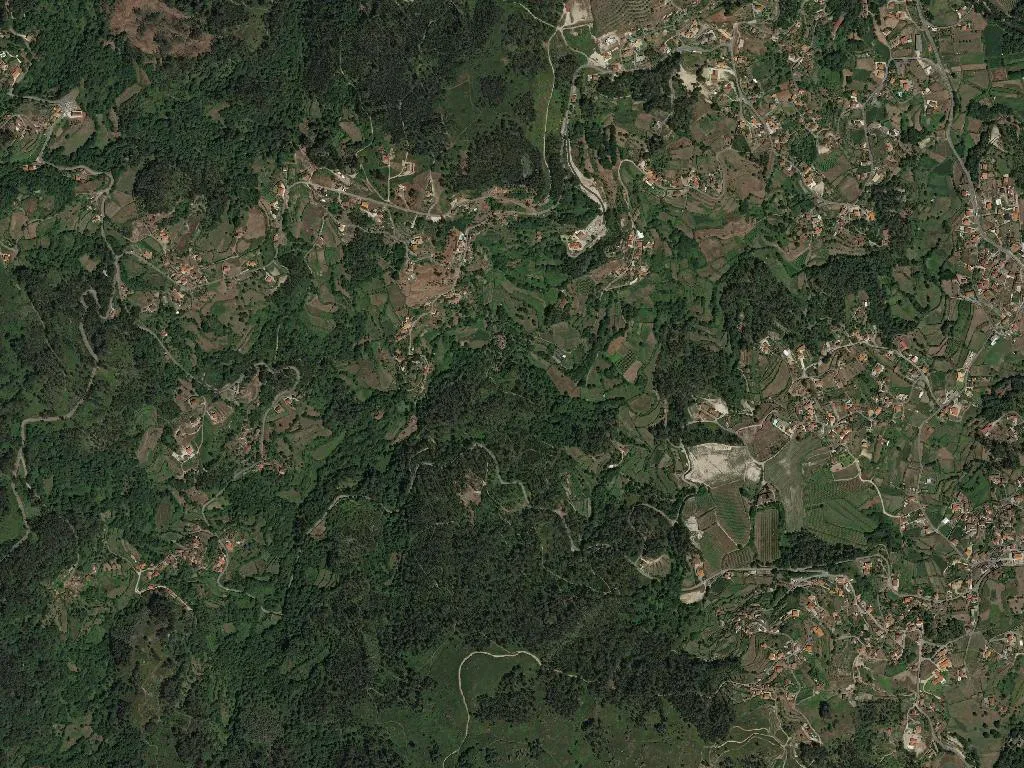
From the Miradouro do Cruzeiro the valley unrolls in tidy layers: pine, meadow, bare granite. Below the bridge are natural pools where the water shocks the lungs, then seduces. Wear flip-flops; the stone is slick and the local A&E is twenty kilometres away. The weekend after 8 September the lane clogs with double-parked cars: it’s the Peneda pilgrimage and even the bunioned walk.
Maria Albertina still weaves at the cooperative loom; ask and she’ll show you how to count the warp threads. The shuttle’s clack is the same her grandmother heard—close your eyes and the village doubles in size while the silence halves. Officially 433 souls live here, but on a sunny Sunday they’re nowhere to be found: some in the café, some in the vegetable plot, the rest already in the cemetery.