Full article about Rio Frio: Dawn mist on granite, broomstick hills
Rio Frio, Arcos de Valdevez: granite hamlet outside Peneda-Gerês, home to Cachena beef, August pilgrim trail and mist-clad mornings
Hide article Read full article
Dawn on the Slopes
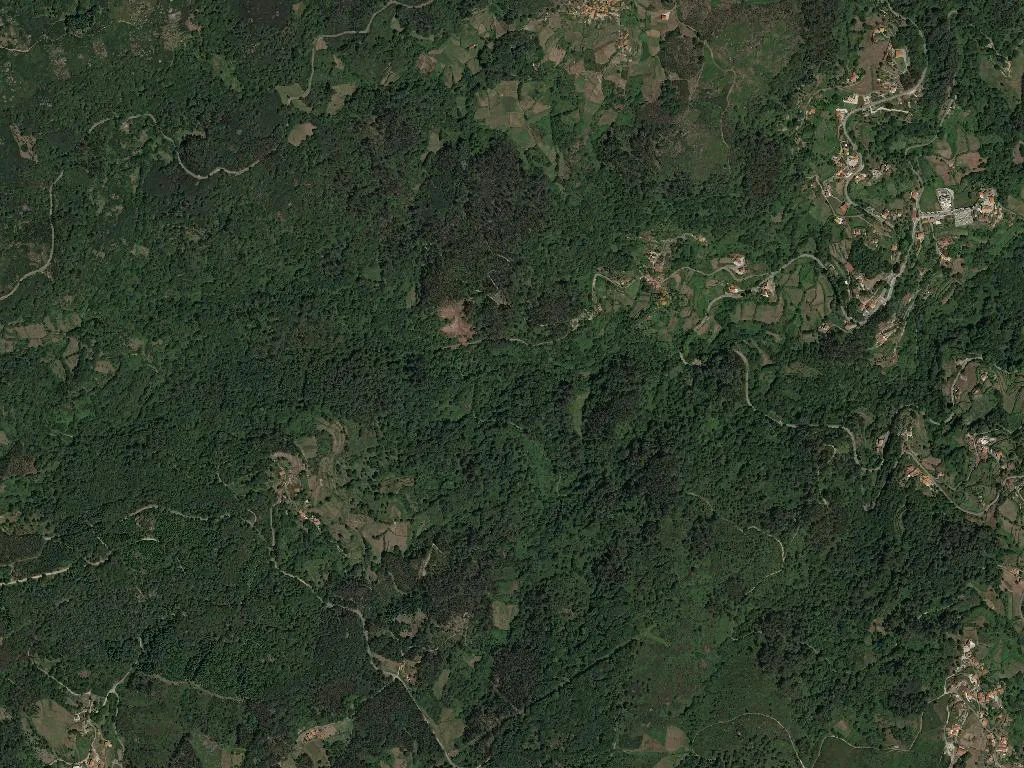
Granite darkens under the valley’s breath. At 324 m, Atlantic mist climbs the scarred slope and settles on the slate roofs of Rio Frio like a second skin. The only punctuation is the single toll of the parish bell or the echo of a dog somewhere below the bridge. Rio Frio – literally “Cold River” – is no flourish of travel copy; it is the stream that slides past the church steps, still numb even in August.
The parish covers 19 km² of stubborn hillside. Residents: 536. Pensioners outnumber teenagers two to one. The primary school shut its doors a decade ago. António unlocks the village café at seven, pulls an espresso for 60 cents, locks up again at seven when the television switches off.
Before the Park Begins
Rio Frio brushes the boundary of Peneda-Gerês National Park but refuses to be inside it. The landscape is a hinge: no longer the fertile Lima valley, not yet the granite theatre of Peneda. Dry-stone walls channel footpaths once used by muleteers; yellow broom is cut for broomsticks; every second boulder leaks potable water. Cachena cattle – the small, auburn, long-horned breed awarded DOP status – graze freely on inclines ordinary stock refuse. The meat is the colour of venison, twice the price of supermarket beef, and is grilled to order at O Brasão in neighbouring Sistelo. Book on Friday or go without.
Faith that Still Walks
On 29 August the Romaria da Peneda begins here. At six in the morning 200 walkers set off uphill, bread, chouriço and a half-bottle of red in every rucksack. Twelve kilometres later they reach the neo-Baroque sanctuary, rosary bells mixing with mobile-phone pings. Less athletic pilgrims leave cars at Lamas de Mouro and board the Gata bus (€4 return).
The Portuguese Coastal Camino slips through the hamlet but does not linger. A yellow arrow painted on a schist slab points the way to Ponte de Lima; hikers refill bottles at the Fonte do Lobo and ask, in hesitant English, whether the next café is open. In May you may meet twenty in a morning; in December, none.
Where to Sleep, Where to Eat
Two granite cottages are licenced for tourism. Casa do Xisto (€80, two-night minimum) and Casa da Fonte (€70, single nights possible mid-week) both come with log baskets and firewood stacked by the door. There is no hotel, no Deliveroo, no Uber. The nearest supermarket is 18 km away in Arcos de Valdevez – a switchback that demands second gear and nerves.
The only restaurant within cooee is O Brasão in Sistelo, 6 km up the road. Summer: lunch daily. Winter: weekends only. Ring 258 52 92 14; if no one answers, the sea-bass lorry never arrived.
At six the sun drops behind the ridge and the temperature falls ten degrees in as many minutes. Curtains are drawn, kindling crackles, the village cat slips under a parked Citroën. Night closes over Rio Frio like a lid on a box, and the only sound is the soft, metronomic call of a Scops owl hunting the lane you walked an hour earlier.