Full article about União das freguesias de São Jorge e Ermelo
São Jorge & Ermelo in Arcos de Valdevez: baroque chapels, Roman-named granite granaries, Cachena cattle and Vinho Verde trails
Hide article Read full article
The Granite Echo of Ermelo
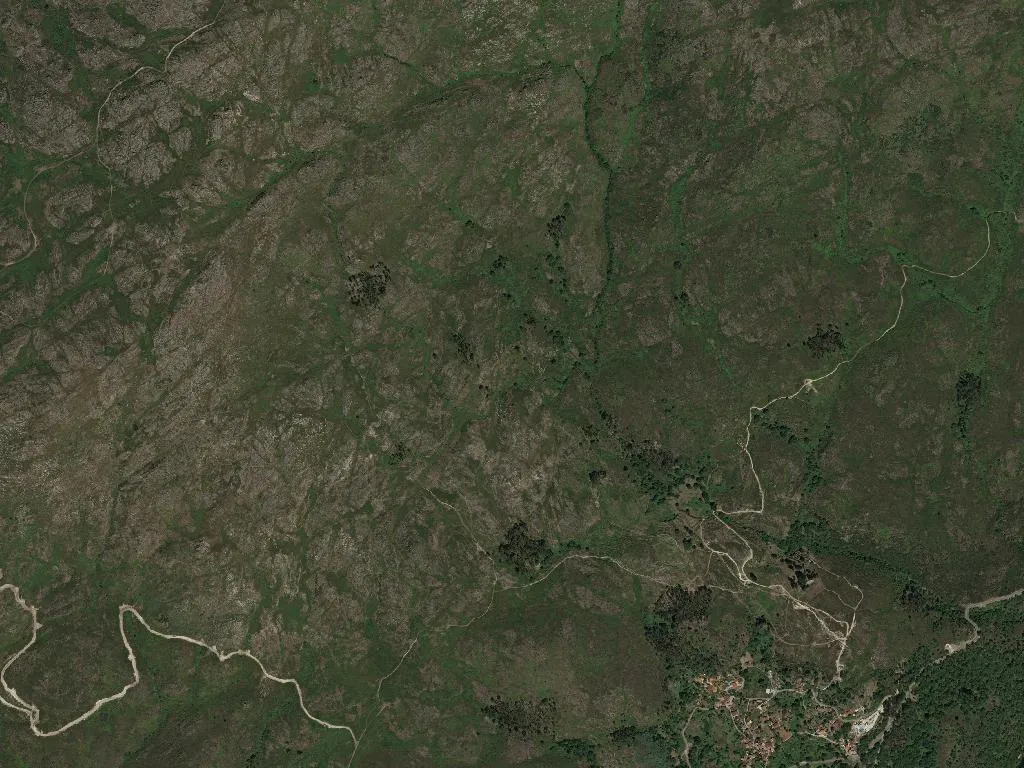
The granite of the waterwheels holds the echo of generations who lived from the land and the pasture. Here, on the slopes rising to the Serra da Peneda, stone shapes daily life: in the walls that divide fields, in the crosses marking crossroads, in the worn steps of chapels where candles still burn. At 371 metres above sea level, mornings are cold even in summer, and fog draws uncertain contours over the valleys. In the distance, the murmur of the river Vez winds through oak and chestnut forests, while the wind carries the scent of damp earth and woodsmoke.
Stone and Faith
The parish church of São Jorge stands with the sobriety of rural baroque, its 18th-century gilded altarpiece still catching candlelight. In Ermelo, the Church of São Bento guards a Manueline cross classified as a Property of Public Interest, testament to devotion that has spanned centuries. Scattered through the villages, the chapels of Nossa Senhora da Lapa and Nossa Senhora da Porta serve as gathering points: in August, the Lapa procession climbs the cobbled path between schist houses, while folk music and festival lights transform the night. In July, the Festas de Nossa Senhora da Porta draw emigrants returning to see familiar faces and eat at the family table. On the first Sunday of September, groups of pilgrims set out on pilgrimage to the Sanctuary of Peneda, fulfilling ancient promises.
Granaries and Roman Names
The parish has one of the largest concentrations of stone granaries in Alto Minho. Some bear 19th-century inscriptions carved in granite, marks of ownership or construction dates that resist time. The place name Ermelo appears in medieval documents as "Hermelius", possibly referring to a Roman owner who left his mark here. Remains of hillforts and signs of late Romanisation confirm ancient occupations, while medieval stone bridges over mountain streams still support the passage of livestock and walkers.
Cachena Cattle and Vinho Verde
Cachena da Peneda DOP beef defines the local cuisine. The cachena breed, one of the smallest in the world — bulls stand no taller than 1.2 metres — graze in the mountain fields and produce tender, flavoursome meat. Cachena beef rice, slowly cooked, and Portuguese stew with local sausages are obligatory dishes at festival tables. They are accompanied by vinhos verdes from the Monção and Melgaço sub-region, fresh and light. For dessert, São Jorge sponge cake — which melts in the mouth like air — and almond pastries that grandmothers make with eyes closed. At Arcos de Valdevez's monthly markets, you'll find heather honey and artisanal goat cheeses, products that reflect the use of mountain resources.
At the Heart of the National Park
Its location within Peneda-Gerês National Park shapes the landscape. The river Vez rises nearby, creating waterfalls and natural pools where, on hot days, the icy water cuts the skin. Signposted walking trails, including the Camino de Santiago, cross the parish, connecting São Jorge to Ermelo past granaries and viewpoints over the valley. Oak and chestnut forests harbour discreet wildlife: wolves that howl on full-moon nights, wildcats hiding in the oak woods, birds of prey soaring at dusk. The chestnut groves ensure chestnut production, harvested in autumn and roasted in village bonfires — the smell of roasted chestnuts mingles with fireplace smoke when São Martinho arrives.
Daily Life for 713 People
The population of 713 spreads across 2,418 hectares, a density that leaves space for silence — the kind broken only by wind in the trees or the sound of cachena cattle grazing. Of the 50 young people and 312 elderly recorded in the 2021 Census, most live in stone houses with vegetable gardens where everything is planted — from cabbages to potatoes, green beans to corn for feeding chickens. The Christmas cycle maintains the Janeiras, groups who sing at houses and receive sweets and wine, while at Easter the Compasso brings images to homes with countryside blessings. The 27 guesthouse accommodations serve those seeking the National Park without haste — tourists who arrive with backpacks and leave with full souls.
The chapel of Nossa Senhora da Lapa, built after the discovery of a Virgin image in a cave, still attracts pilgrims who climb on foot. As evening falls, when the slanting light gilds the granite of the granaries and the bell tolls for the Ave Marias, fireplace smoke rises straight in the cold air. It is in that moment — between the last grazing of the cachena cattle and the first barking of dogs — that the mountain reveals itself completely.