Full article about Senharei: chestnut-time village above the milk-swell mist
At 578 m, Arcos de Valdevez’s tiniest parish refills only for torch-lit romarias and cachena beef
Hide article Read full article
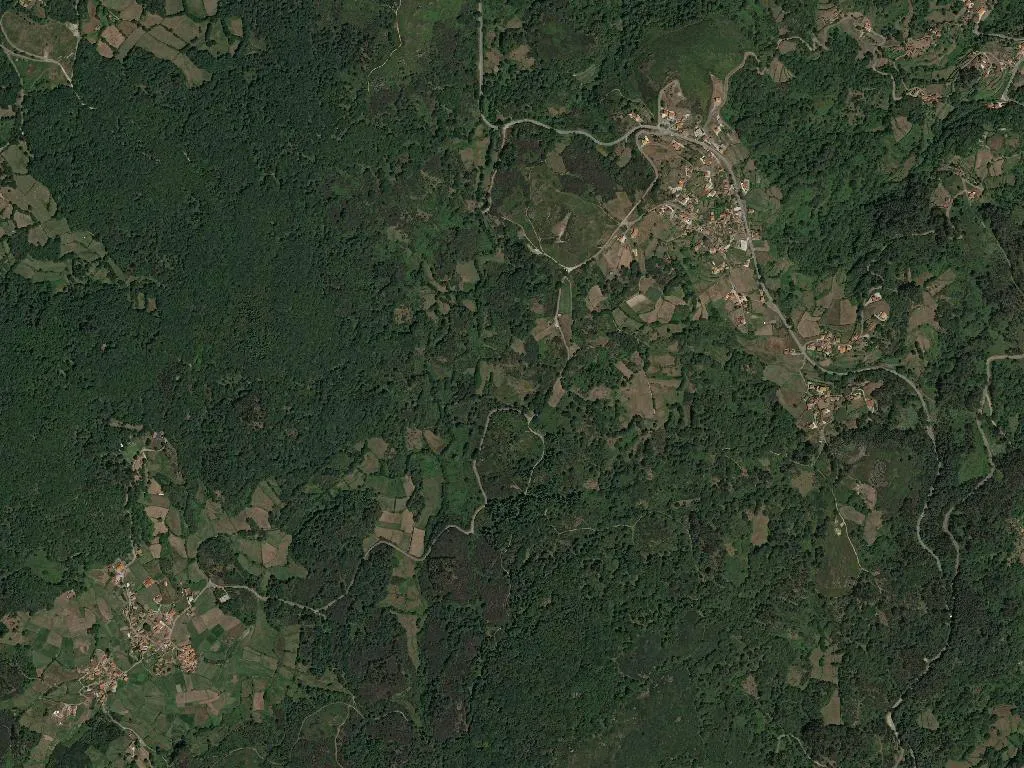
Mist rolls up the valley like milk swirling into coffee, slow and deliberate, blotting the stone-walled terraces that no-one has bothered to replant since the last smallholder gave up. At 578 m, Senharei keeps time by ripening chestnuts and migrating swallows, not by clocks. Officially 164 souls live on the parish roll, yet once the first frost silences the crickets you can count the remaining lights on two hands. Everyone else departs with the house martins or stays stuck like grit in a boot.
Three weekends when the village refills
To understand Senharei you need to know the three festivals that bulk it out. Romaria da Lapa in January is the most ascetic: dawn mass, a plate of blood-rich sarrabulho stew, home again before the thaw soaks your shoes. August’s Romaria da Porta adds a makeshift fairground and onion soup that tastes of overdue holidays. The loudest, Romaria da Peneda on 8 September, clogs the mountain approach with double-parked cars from Porto; traffic backs up all the way to Gavieira.
Cachena cattle: pocket-sized lawn mowers
Meet the herd and you’ll swear someone shrank a Highland cow in the wash. These caramel-coloured cachena are officially a Protected Designation of Origin breed, perfectly scaled to miniature terraces. Their meat is prized, but only after three days’ salting and two months’ notice—Lisbonites ring Sr Zé do Paredão after Friday mass to reserve a joint; miss the slot and you’re eating kale until Christmas.
Wine that tells the truth
Vines cling to schist walls where no tractor dares. Yields are laughable—just enough to fill the five-litre flagons that appear at village weddings. The taste is eye-watering, sharp enough to slice through roast pork fat. Refuse a glass and you might as well insult the cook; grudges here are archived.
Blackboard ghosts, heated pools
The primary school has been shuttered since 2009; inside, a wall map still labels Angola as an overseas province. Four granite cottages nearby have been reborn as holiday rentals—underfloor heating, salt-water pools, names like “Casa do Silêncio”. They book out when Munich or Madrid Googles “authentic Minho”. The rest of the year silence is absolute, broken only by the Wednesday bin lorry and Sr João’s dog debating the moon.
When the sun drops behind Soajo the air clarifies until the ridge itself seems to tremble. Wood smoke drifts uphill, laced with the iron scent of turnip greens on the boil—a combination that reels memory home even if you were never born here. Senharei cannot be explained; it leaks into the soles of your boots. Arrive hungry and well-shod; the village will supply the rest, down to the last gram.