Full article about Sistelo: where 1,800 terraces claw the sky
Stone-walled rye steps, river beach & Cachena beef in Portugal's "Tibet"
Hide article Read full article
Stone upon stone, rib upon rib
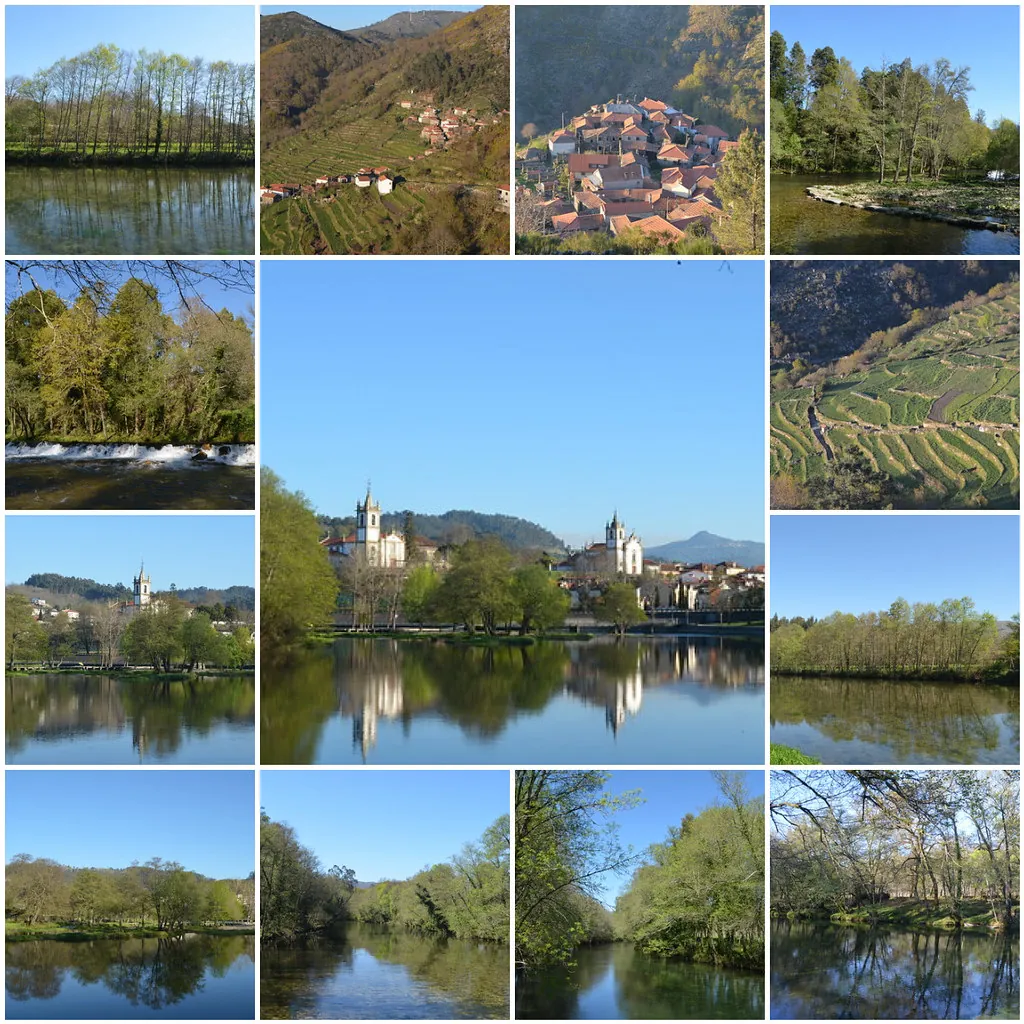
The terraces slash across the mountain like 1,800 green steps built by someone who had forever and nowhere else to be. Water threads the stone-lined levadas the way a regular slips to the village pub—slowly, but always in time for last orders. Locals tolerate the guidebook tag “Portuguese Tibet”; whoever coined it never saw Lhasa, yet the point sticks: the slope is so brutal even the goats request a breather.
Sistelo first surfaces in the 1258 Inquiries, traded between medieval nobles like a playing card. Today the roll-call is 199 inhabitants—seven children, 115 pensioners, the rest undecided whether to stay or surrender to the valley town of Arcos de Valdevez. A church, the Esquina café and the river beach used to be enough; then the entire landscape was declared a National Monument. Boardwalks arrived, and the village took instant offence at the adjective “small”.
The Casa do Visconde still flaunts two unnecessary towers simply because it can. Beside it, the old castle collapsed—legend blames a family quarrel; the engineer blamed lime-starved mortar. The two-millennia Roman bridge puts up with the Vez river’s daily tantrums out of sheer stubbornness. What matters are the brandas, waist-high dry-stone walls that grip the earth the way a grandfather clutches his fate—tight, wordless. Each wall is a family CV: father, grandfather, rye-fed great-grandfather.
The Passadiços boardwalk is the local Street View: see the whole hamlet without scuffing your trainers. From the Estrica lookout the view fills the lungs—or perhaps it’s the blanket of clean air. At 752 m the Marco do Couço serves up Spain on cloudless days and inquisitive neighbours when the sky has no shame.
Winter on the plate, summer on the chair
Carne Cachena is beef with mountaineering credentials; taste it and you understand why the flavour feels like victory. Served as posta, rojões or boiled supper, it erases memory of supermarket cauliflower. Sarrabulho rice continues the Minho tradition of wasting nothing—not blood, not excuses. Wash it down with vinho verde sharp enough to make a neighbour wince. Finish with cornmeal cake dense enough to double as building material—yet edible enough to avoid police intervention.
Festivals: São João in June, rockets and dancing until the following noon; Senhor dos Aflitos in August, a procession slow enough to outwit the heat; Our Lady of Fátima in October, the last outing for new coats before the rains. On the 12th and 28th of every month the Portela do Alvite cattle fair assembles four cows, seven owners and half-a-dozen spectators—yet the entire gossip of the Minho is audited here.
The Interpretative Centre explains how terraces are built; spend five minutes on them and you’ll realise the lesson is superfluous: your knees translate. Late afternoon, sun settles on the stone benches and the valley turns postcard—no logo, no filter, no watermark. Only the levada’s tick-tock, a water clock no one ever needs to wind.