Full article about Távora: Where the Bell Knows Every Name
Valley parish of Arcos de Valdevez keeps two saints, one cow and 848 nicknames
Hide article Read full article
A Bell Rings the Silence
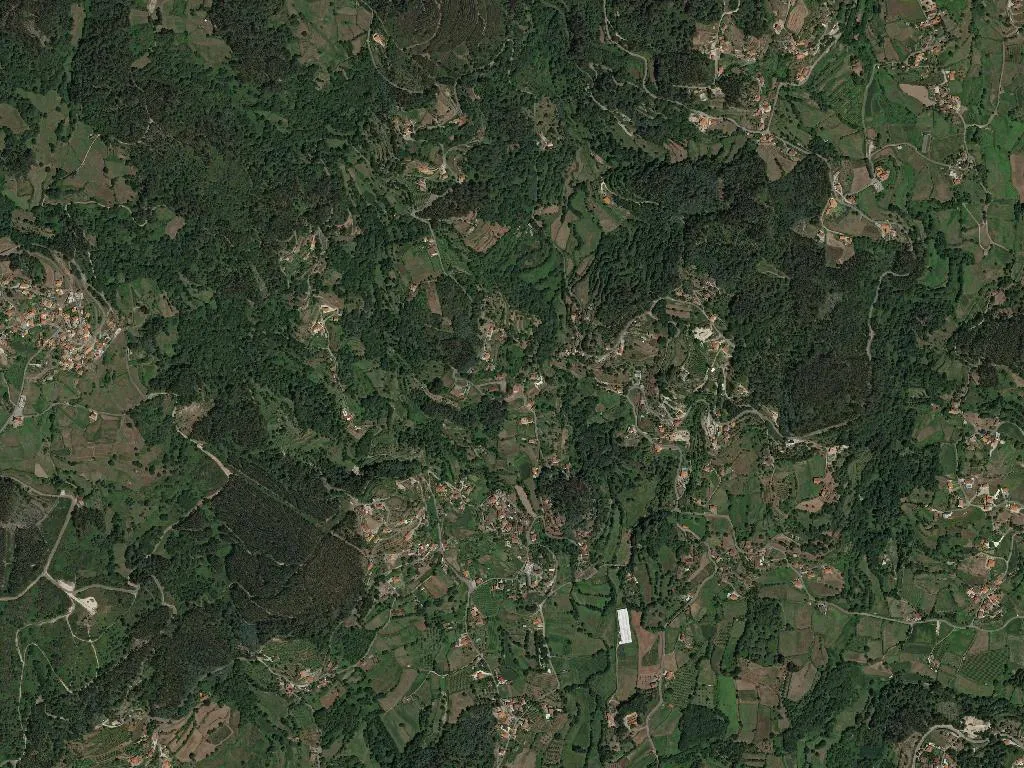
The church bell breaks the silence as if waking a friend: unhurried, yet with the right timing. Eight tolls are counted by everyone without glancing at the clock. In Távora — the new parish that unites Santa Maria with São Vicente — 848 people are enough to know each other by nickname and to ensure no one gets lost on the way to a funeral. The valley rises slowly to 171 metres, where granite shoulders its way through meadows and schist walls. The air always carries a trace of the river Vez — even if only on the laundry drying on the line — and on winter mornings, chimney smoke from last year’s firewood drifts above the roofs.
When Two Villages Become One
The parish merger didn’t erase memories; it only streamlined the paperwork. Santa Maria still holds its romaria in mid-August, São Vicente keeps its own two weeks later, and each has a saint who dislikes being disturbed outside office hours. The name Távora predates tarmac, coined by settlers who marked territory before roads existed; today it simply merges the postboxes. Pilgrims on the Portuguese Camino barely notice they’ve crossed a boundary: they keep climbing, rucksack knocking against their spine, following yellow arrows that someone repaints every four years when the colour fades.
The Weight of Stone and Flesh
Cachena is not a brand; it’s the long-horned mountain cow that often outlives its owners and still justifies a feast when it finally reaches the table. The meat is the colour of burgundy, not the supermarket pink of plastic-wrapped sirloin. In the kitchens where lunch is worth stopping for, the owner wields the spoon and his wife brings the plates. Rojões are exactly that — diced pork, paprika, potatoes — and the white wine arrives without asking. Sarrabulho rice, thickened with pig’s blood and cumin, is reserved for fog-soaked mornings when the leek patch has nothing left to give. Anyone squeamish orders “o quinto” — the fifth course, which may also mean the fifth glass.
Green That Is More Than a Colour
Yes, this is Peneda-Gerês National Park, but leave the flip-flops at home. The trails are gentle if you pack common sense: carry water, a sponge cake for the halfway point, and don’t attempt the whole ridge in an afternoon. The climb can be steep, but the payoff is a rock alcove where someone has cached a bottle of vinho verde, or a viewpoint where the espresso tastes better because you earned it on foot. Birds appear when they choose; bring binoculars and patience, the rest is luck.
Festivals That Aren’t for Tourists
The festas are ours: Senhora da Lapa, Porta, Peneda. No one is selling slogan tees. The elderly attend because they always have; the young come because their parents drag them, then discover they like it. There are cantares ao desafio — improvised duels of verse — but also an uncle who sings off-key and a grandmother who ferries honey cakes on an aluminium tray that has survived three generations. The procession moves at the only acceptable speed: stop, pray, turn — and no one complains about traffic, because the traffic is us.
Empty Houses, Weekend Houses
Many shuttered windows belong to migrants who only open them in August, when the French-plated car draws up and the neighbour is already at her window checking for chocolates. The five registered guesthouses offer what they can: a room with a view, breakfast whenever you wake, and bread bought that morning from the bakery, not thawed from frozen. Population density is just a number; you can walk for half an hour and meet no one except the farmer’s dog sniffing your boots.
The last light of the day feels like the village has just stepped out of the bath: everything clean, everything quiet, only the bell to say someone is still awake. Távora promises no spectacle. It gives what it has: stone to kneel on, wine that cuts your thirst, silence that needs no subtitles. Anyone hunting Instagram filters leaves disappointed. Anyone looking for a place where time is not the enemy stays.