Full article about Vale
Arcos de Valdevez hideaway where barefoot pilgrims, cachena beef & medieval stone share one valley
Hide article Read full article
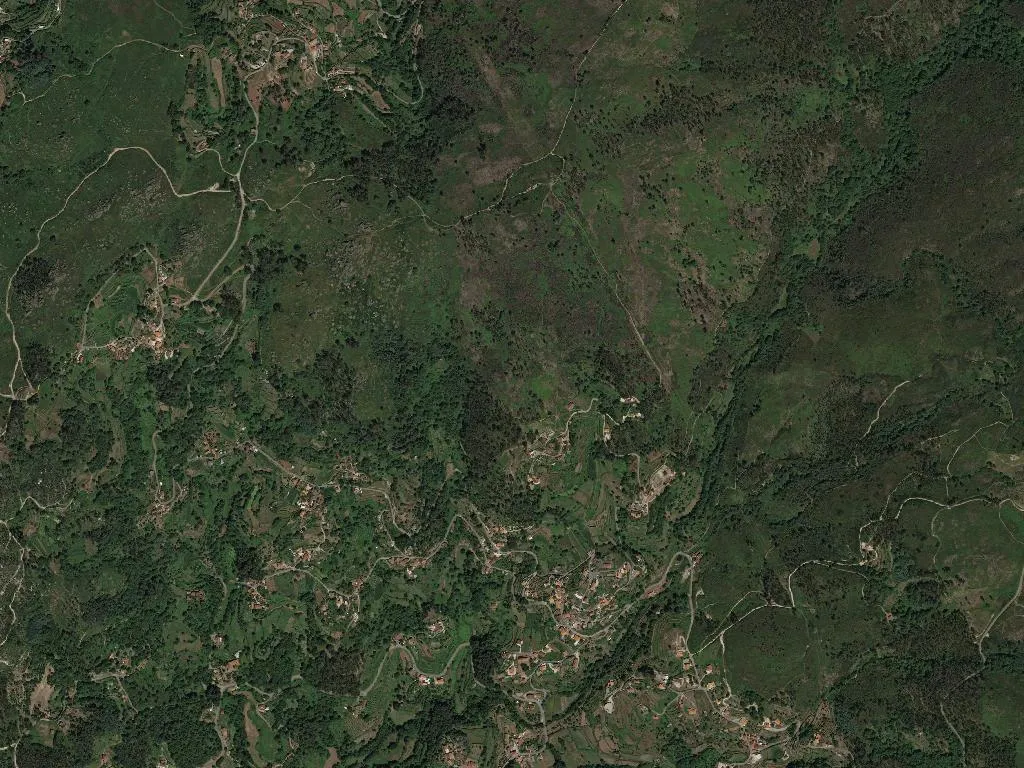
The first thing you register is the bell: three flat clangs from the church tower, matter-of-fact as a bus conductor. Then the smell of chestnut logs that Zé Manel lit at six, mixing with shale damp that never quite dries. Vale counts 662 souls, but at seven a.m. it feels like five. The village stakes itself to the valley like a bent nail, from the river Vez up to the corrals where only the feral garrano ponies dare to graze.
Two pilgrim trails, one traffic jam of faith
Here’s the joke: two separate caminhos cross the parish. The classic Portuguese route of the Camino de Santiago, fluorescent rucksacks asking for water at every spring, and the older Peneda pilgrimage, whose devotees walk barefoot in September, soles shredded, grinning like it’s painless. On the Sunday of Nossa Senhora da Lapa the night procession moves by candle-power alone. The entire village looks like an out-take from an RTP period drama – not a single electric bulb, not even at Tó Mário’s café whose terrace faces straight onto the line of march.
Stone that has seen it all
The medieval packhorse bridge is still standing, as stubborn as 92-year-old Dona Amélia who insists on hauling her own well water. French troops trudged across in 1809; today it takes John Deere tractors and German hikers in sock-and-sandal formation. Inside the parish church a gilded baroque altarpiece gleams like the priest’s idea of a Ferrari – plump cherubs clutching grapes, presumably approving the unlicensed red that my uncle used to ferment behind the house. The smaller Porta chapel is the architectural equivalent of a three-bed semi: humbler, but handy for the four-kilometre hike to the ruined Mosteiro de São João. Good for the conscience, murder on the knees.
What you eat, what you drink
Cachena beef rules here and tolerates no rivals. The meat is lean, almost scrawny, until António throws it on the open-fire churrasco during the August feast and it tastes like Sunday mass in edible form. Rojões come with sarrabulho – the earth-coloured rice thickened with pig’s blood; add a crush of garlic and watch it change its tune. Sr Albano’s corn broa is so dense it will dent floorboards if you drop it. And the medronho firewater? Locals claim it cures everything from the common cold to divorce proceedings.
Up where the wind steals your cap
The Currais footpath climbs until your lungs petition for parliamentary recess. From the summit you see the full arrangement: the granite village of Soajo scattered like spilled Lego in the distance, Peneda-Gerês National Park shouldering alongside like an older sibling. Wait long enough and the garrano ponies appear – small, black, appraising you as if you’re the family pet. Far below, the Vez forges natural granite pools that still shrivel the soul in August. Everyone leaps in anyway, surfacing puffing like seals: compulsory tradition.
When the sun drops behind the stone granaries, Vale smells of chouriço smoke and cooling schist. Chimney haze lingers between the roofs like family gossip. Tomorrow the bell will beat three times again, Zé Manel will re-light his hearth, and the whole contraption resets – because here that is simply the size of the day, neither more nor less.