Full article about União das freguesias de Gondar e Orbacém
October bronze calls pilgrims up granite switchbacks to a candle-lit chapel above the Coura mist
Hide article Read full article
The soundtrack arrives before the view: a low, unrelenting hush of water sliding through stone channels that the Romans cut and the mountain later perfected. In October, when the Coura valley is still a private cloud, the bells of São João d’Arga begin their slow conversation—one bronze voice answered by another, until the entire ridge seems to vibrate. Pilgrims follow the sound the way sailors once followed lighthouses, climbing 400 m of granite to a chapel that has no electricity but plenty of echo.
A parish that merged with itself
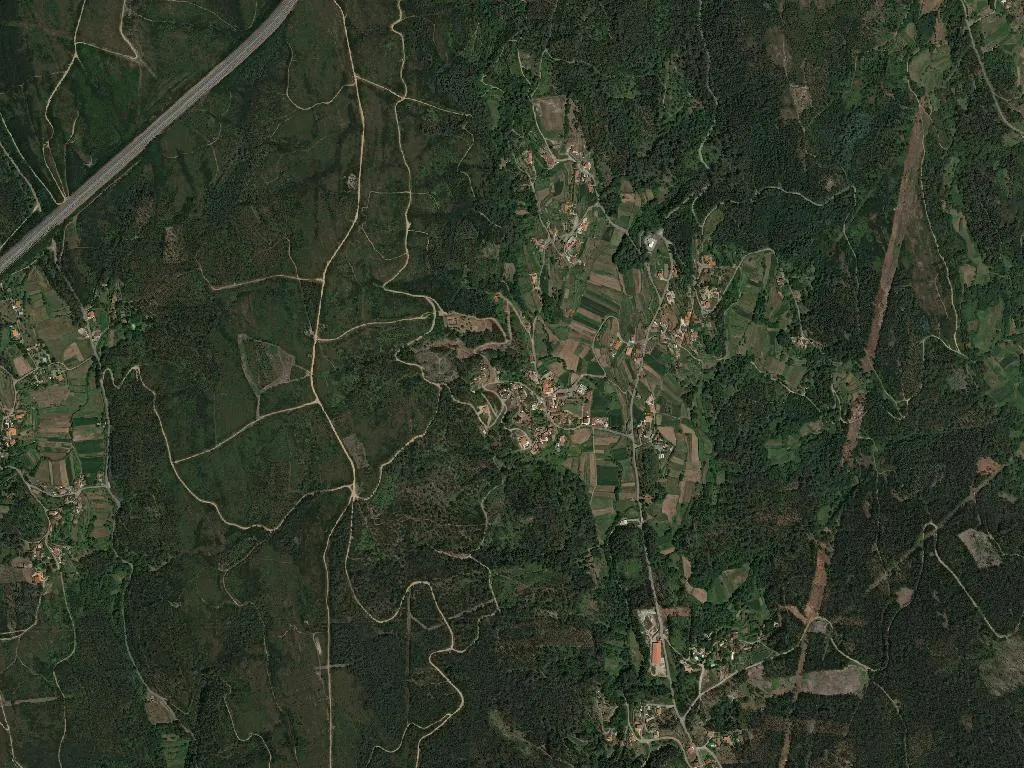
Administrative ink fused Gondar and Orbacém in 2013, yet everyone here had already been using the same bread, the same river, the same surname for generations. The name Gondar derives from the Galician “fazer o caminho” – to make the path – and the path is still the main character. It is the coastal variant of the Portuguese Camino de Santiago,Way of Saint James that threads downhill to the Atlantic at Moledo, passing the ivy-clad ruin of the hospital Queen Leonor ordered built in 1502 for “weary feet and salted lungs”. The granite blocks remain; the wards are now corridors for lizards.
Where the mountain once punched the clock
The mother church sits in the geographical centre of the parish like a hearth. Inside, beeswax and starched linen dominate the nose, and a 17th-century Manueline retable does its best to compete with sideways sunlight the colour of late-season white wine. Above the village, the chapel of São João waits for its single day of fame: the romaria on the last Sunday of October, when 2 000 day-trippers rediscover religion and the air turns solid with the smell of burning bay leaves and sugar-crusted bread.
Between 1920 and 1960 the same slopes rang with pickaxes. Thirty tin concessions turned Serra d’Arga into a subterranean city; miners from Paredes de Coura walked up at dawn, pockets full of bread and expectation. The adits are gated now, but on hot afternoons the pegmatite seams glitter like broken chandeliers – the only witnesses who never emigrated.
What the table hides
Smokehouses at the back of every dwelling nurse chouriço that will later dive into caldo verde or stiffen a plate of rojões. The sauce is a Kandinsky of smoked paprika, garlic and a loose corn porridge called papas de milho that catches the pork fat like silk. In March, lamprey arrives from the Minho estuary, first perfumed with red wine and bay, then baked until the cartilage submits. Between glasses, the local vinho das ramas – young wine flavoured with aromatic shoots – travels from ceramic mug to mug; glasses are considered an affectation and regularly abandoned on low walls. On Martinmas weekend the goat’s cheese appears, carried down from upland meadows where the animals still graze among the same granite outcrops that once hid smugglers. Spread it with heather honey that tastes faintly of peat and thunderstorm.
Trails for the chronologically generous
The Coastal Way crosses the parish like someone tiptoeing across a sleeping house: five kilometres to the chapel, ten if you count the conversations. Halfway up, granite pools fed by the Coura offer a baptism cold enough to reset every life decision; the courage is optional, the memory compulsory. Beyond the treeline ruined water-mills keep their gears intact, still turning in the heads of grandfathers who bring grandchildren here on condition they “listen to the stone”. Population density: 39 souls per km². There are more oak trunks than phone numbers; roe deer watch hikers with the indifference of landlords.
When the last bell falls silent, the plateau smells of crushed bracken and new bread. Voices evaporate quickly downhill, but the echo lingers, reluctant to leave while a single plastic jug of vinho das ramas still breathes.