Full article about Alvaredo: Where Alvarinho Grapes Sing in Stone Lagars
Alvaredo, Melgaço, shelters Portugal’s last foot-trodden granite press, midnight-blue church tiles and oak-smoked chouriça hung in cool granite cottages.
Hide article Read full article
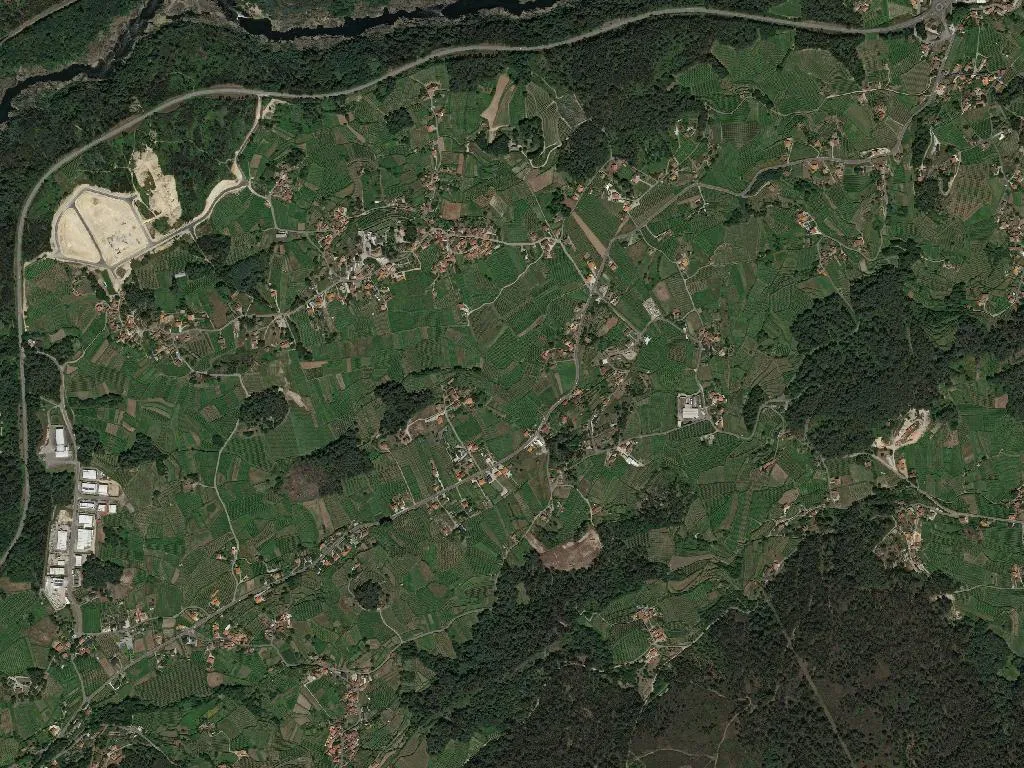
The morning sun has barely brushed the granite terraces when the rasp of pruning shears begins to travel down the rows. At 108 m above the Minho valley, Alvaredo is a narrow staircase of stone-walled vineyards where the Alvarinho grape ripens under its own private weather: night fog drawn up-river that lingers until mid-morning, cooling the berries and coaxing out the lime-zest aromatics that make this sub-region of Monção e Melgaço the most sought-after address in Vinho Verde country. Between the walls the air smells of damp schist and crushed vine leaf; beyond, the Soajo range rises in a solid green bulk against the sky.
Stone, carving and cobalt
The parish church has stood at the settlement’s centre since the 1500s, enlarged each century as the wine money rolled in. Inside, a gilded baroque retable glints against the chill light of 19th-century stained glass, while 18th-century azulejo panels narrate scripture in midnight blues. Uphill, the single-nave Capela de São Bento prepares for the 21 March romaria: an outdoor mass, procession between 1700s stone calvaries, accordion-driven folk groups and neighbours descending from mountain hamlets still snow-dusted. The one-arched Romanesque bridge over the ribeiro takes September’s grape-laden tractors as calmly as it once took mule trains.
The press where they sing
Alvaredo’s communal granite lagar is among the last in Portugal worked by foot. At vintage time the stone tank fills with purple clusters; treaders link arms, shuffle in time and trade improvised couplets—cânticos ao desafio—while juice runs down the channel into waiting casks. Taste the newborn wine straight from the spout and you understand why Alvarinho never quite believed it belonged anywhere else.
Smokehouses and lunch tables
In low stone outhouses oak smoke curls into hair and wool. From the rafters dangle IGP-certified Chouriça de Carne de Melgaço, blood sausage, salpicão and haunches of presunto, each stamped by the cool, humid microclimate that dictates a slow, sweet cure. At table the rice is stained dark with the same red wine used to braise the pork, the local rojão comes speckled with native white beans, and wood-oven kid is served with suspiros de Alvaredo—walnt meringues that snap like meringue. On the first cold weekends neighbours hold impromptu fumeiro feasts, sharing out the yield of the black-pig slaughter in exchange for gossip and the latest bottle.
Walking between walls
The Caminho Norte of the pilgrimage to Santiago cuts straight through the village, cobbled mule paths hemmed by mossy walls and miniature espigueiro granaries on stilts. A sign-posted ‘Vines & Smoke’ loop starts at the church, passes water-mills with their grindstones intact and finishes in a smokehouse where you sample the goods you’ve just smelled. From the São Bento calvary at dusk the view tumbles downhill in stepped greens to the Minho shining like pewter, while successive ridges fade through jade to graphite.
When the last lagar is scrubbed clean, a faint perfume of pomace and wet granite lingers—liquid September crystallising on cold stone, biding its time until the next harvest.