Full article about Oak-smoked Paderne: Minho’s slow-cured ham heaven
Above the Minho, granite lanes scent of oak smoke, Cachena beef and pilgrim dust
Hide article Read full article
Smoke and slate at 278 m
Oak smoke slips through the schist roof tiles and unravels in the chill dawn. The air carries a double perfume: curing meat and rain-damp soil. At 278 m above sea level, Paderne hovers halfway between the Minho valley floor and the granite battlements of Peneda-Gerês. Only a thousand people live here; four in ten have already turned 65, and the village keeps their tempo—unhurried, angled to the sun, tuned to the slow drip of a smoking chamber.
Way-markers to Santiago
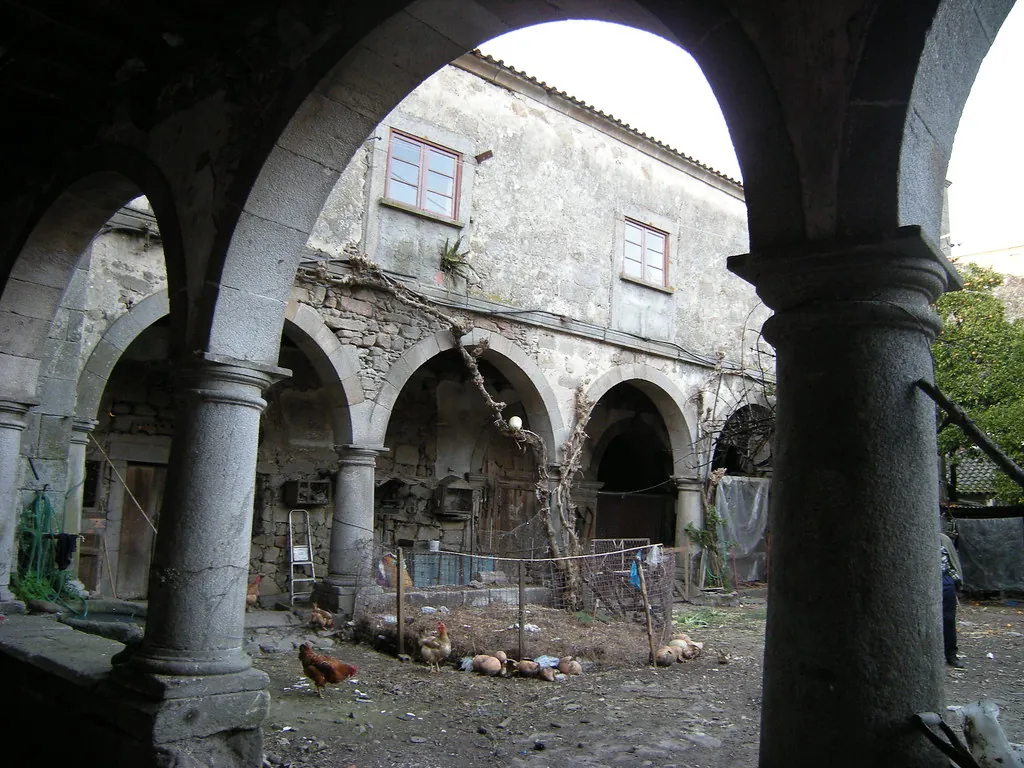
The Northern Way of St James threads straight through the parish. Pilgrims stop to tighten laces beneath grape arbours of Loureiro and Branco before the 15 km pull to the Spanish line. Yellow arrows appear on a corner stone, a scallop shell is chiselled into a garden wall, and the click of carbon-fibre poles echoes down a lane no wider than a hay cart. Granite houses wear painted timber gates the colour of ox blood; moss colonises the mortar; the camino passes without ceremony, but it leaves its fingerprints.
A geography of certificates
Six protected foods are born within these parish boundaries. Two breeds—Barrosã and Cachena da Peneda—graze the upland meadows; their DOP status is stamped like a passport. From their meat come four IGP charcuterie cousins: blood chouriça, pork chouriça, salpicão and the satin-muscled presunto of Melgaço. Inside the fumeiro, oak smoke drifts upwards through flitches dangling from iron hooks. Cachena beef, dark as burgundy, carries the taste of heather and wild rosemary; the hams cure for eighteen months until the outside is blackened parchment and the inside is fig-sweet.
Three monuments, two grades
Heritage here is measured in granite and time. The 13th-century parish church has carried National Monument status since 1910; its baroque altarpiece glints with gilt carved in the age of gold from Brazil. A twin listing belongs to the Manueline wayside chapel of São Sebastião, built in gratitude after the 16th-century plague receded. Between them stands the village crucifix, granted a lesser badge—Imóvel de Interesse Público—yet still shouldering the stories of every procession since 1624.
São Bento comes home
On the second weekend of May the emigrants return. The church bell tolls thirty times—one for each year of village memory—while rockets scatter across the valley at six o’clock sharp. After mass, the statue of St Benedict tours the streets on shoulders that remember the steps from childhood. In the football-field marquee, slices of smoked alheira spit over open grills, caldo verde steams in tin vats, and the local cooperative’s vinho verde is poured from white enamel jugs into glasses etched with the parish crest.
Five houses, no hotels
Accommodation is limited to five stone cottages restored by owners who left, worked, then came back. Each has a working hearth, a kitchen wired for espresso, and a back garden where the only night light is the moon and the only soundtrack is the church clock striking the hour. Booking is by WhatsApp; the key hangs under a ceramic swallow.
At dusk the low sun ignites the granite façades and throws long shadows across the cobbles. Somewhere a dog barks once, then thinks better of it. Smoke rises again, thinner now, carrying the scent of tomorrow’s breakfast. In Paderne you learn to wait: for the ham to sweeten, for the grapes to turn, for the footsteps of those who always find their way home.