Full article about São Paio: oak-smoke dawn above the Mira valley
Granite granaries, garrano ponies and Alvarinho vines guard Portugal’s last border parish
Hide article Read full article
The oak-smoke alarm clock
A wooden cowbell clatters across the slope long before first light. Someone is leading a string of sure-footed garrano ponies down the schist track while fog still pockets the Mira valley. At 521 m above sea level, São Paio’s day begins with the same ritual: swing open the door of the fumeiro, the village smoking-chamber where hams and salpicão sausages have hung in darkness since last winter, and inhale the blast of oak, salt and garlic. Outside, granite-and-oak granaries stand silhouetted against the pewter dawn, silent guardians of an economy that refuses to die.
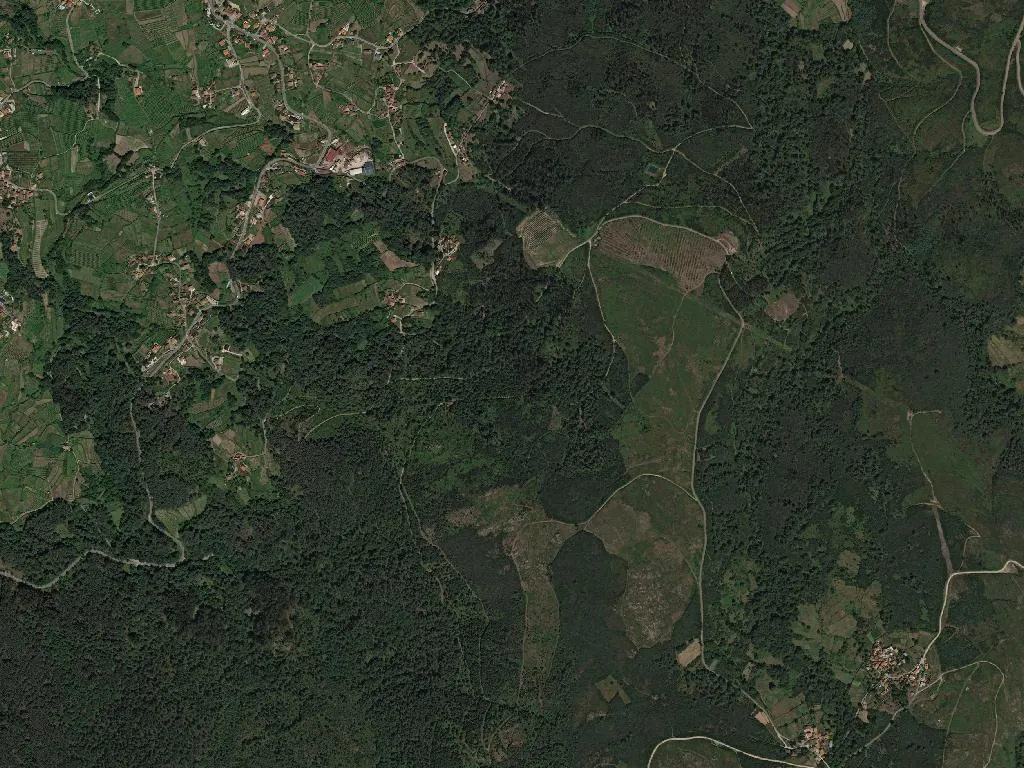
Melgaço’s smallest parish – 535 souls, more than half past retirement age – spreads across almost a thousand hectares on the lower slopes of Peneda-Gerês National Park. Dry-stone walls parcel the hillsides into pocket-handkerchief plots of Alvarinho vines, ancient chestnut and oak groves that feed the long-horned Cachena cattle. The Mira river coils between the hamlets of Padrão, Vilar and Azevedo, forming natural pools where the splash of a body still follows the July hay harvest.
Stone that remembers
The 18th-century parish church rises baroque; when afternoon sun hits the high windows the gilded altarpiece flares like a struck match. On 1750s azulejo panels, Bible scenes share pews with weekday dust. Tucked below the square, the tiny Chapel of São Bento keeps an upside-down Manueline bell – supposedly salvaged from a medieval pillory – and hosts the second-weekend-of-July romaria that fills the churchyard with folk dancing and a pop-up craft fair. A single-arch medieval bridge, scooped and polished by centuries of boots, still funnels Santiago-bound pilgrims toward Galicia; it is their last chance to fill a water bottle for 28 km.
In Padrão, a Chalcolithic necropolis of grass-covered tumuli is protected as a national monument. Beside it, a boundary stone carved “1495” marks the old Portuguese-Spanish frontier before the river became the final border. In Vilar, an 1783 water-mill – the only one in the municipality still capable of turning – creaks into life on Saturdays while the miller demonstrates stone-ground maize, white flour drifting like late-season snow across the boards.
Smoke, Alvarinho and woollen devils
The kitchen calendar rules. On 11 November, St Martin’s Day, the whole village gathers for Ceia do Porco: kid goat grilled over vine prunings, turnip broth with white beans and Melgaço IGP blood sausage, washed down with sharp, just-fermented red. At Carnival, wool-masked “Caretos” wearing cowbells burst from doorways in the Chocalhada de Entrudo, a rattling pre-Lent stampede no one can date. March brings the Feira do Fumeiro, a serious contest for the best presunto, salpicão and chouriça de carne, all protected by the Melgaço IGP stamp.
Quinta do Regueiro, where winemaker Rui Mira pioneered barrel-fermented Alvarinho, opens for tastings. Grown on razor-thin schist, these Vinhos Verdes deliver a flinty, Atlantic snap that survives August heat. Accommodation is scarce: only one official rural guesthouse, the former post office known as Casa do Correio Mor. The rest are word-of-mouth rooms – ask for D. Amélia in Azevedo, who bakes corn bread in iron pans and pots fig-quince jam thick enough to tile a roof.
Trails between schist and sky
The Trilho dos Espigueiros loops eight kilometres through hamlets, mills and viewpoints over the valley. At dawn the silence is punctured only by the mew of a red kite and the thud of garrano hooves in the undergrowth. The tougher Trilho do Miradouro da Peneda climbs into the national park heartland where Gerês daffodils push through granite scars and the view runs west to the Soajo range. In Azevedo a 400-year-old chestnut – seven metres around – throws dense shade even at noon; old-timers say smugglers once counted coins beneath it before fording the river.
Night falls without a single streetlamp. Above São Paio the dark sky reassembles the constellations that steered medieval pilgrims. The wind carries woodsmoke and damp earth; somewhere a dog barks. And in the half-open fumeiro the hams go on curing, day after patient day – Zé from Padrão leaves his for two years, “until they lose all hope of ever being eaten.”