Full article about Anhões & Luzio: Megaliths, Kid Goat & Alvarho
Granite tombs, river births and crackling kid goat in Minho’s hidden hill union
Hide article Read full article
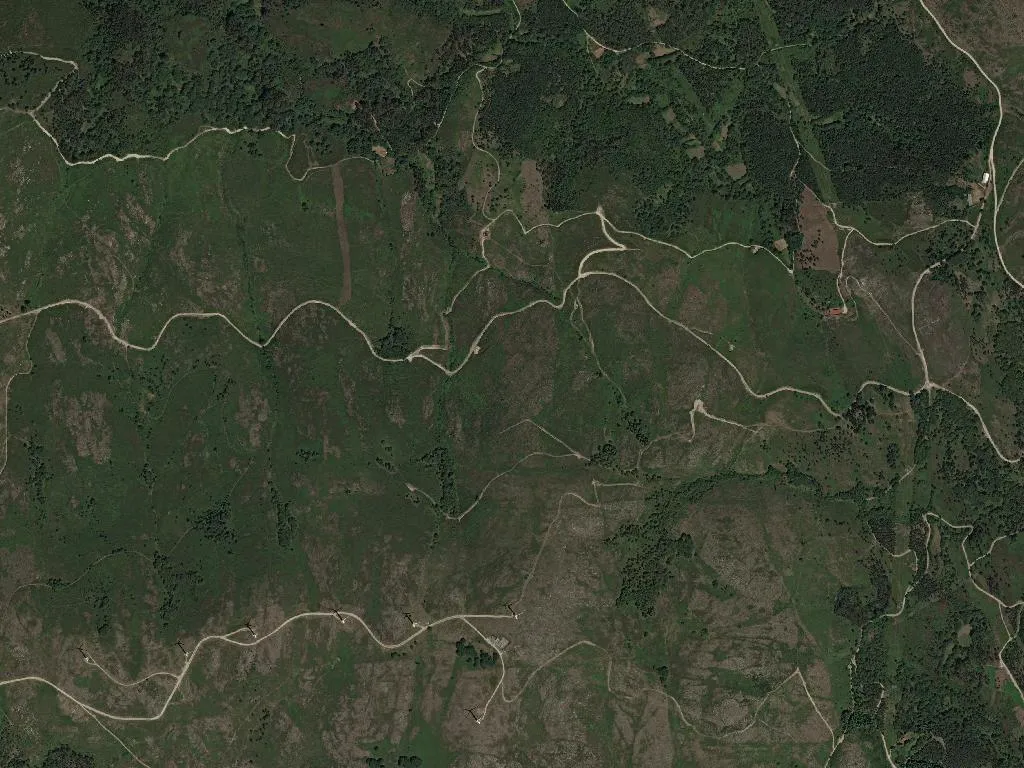
The granite slabs of the antas soak up early sun as mist unravels from Serra da Anta. Six megalithic tombs – five millennia old – keep watch over a patchwork of oak, gorse and water meadows. A bell drifts up from Anhões; Luzio is only three kilometres away but feels farther when the wind carries the smell of damp soil and hearth smoke from scattered farmhouses.
Stones that outlasted the records
At Portela da Anta and Mendouro, burial chambers were already ancient when King Dinis gifted Luzio to the Bishop of Tui in 1308. The forfeit was precise: villagers were excused national service yet obliged to defend the Minho river crossing at Estaca if Galicia stirred. Tithes to the Monastery of São Fins were settled in eggs, kid goats, labour and the curious levy of “a cow – and half a cow again if the king brought his son”.
Headwaters and horizons
Castelo do Mendouro, at 664 m, is Monção’s roof. From the rock outcrop you can trace the double birth of the river Gadanha: one spring seeps below the anta, the other on the wooded hill of Forcadas. They meet in a tight bend beside Vilar then slide off to irrigate the valley floor. Red deer and wild boar thread the holm-oak trails; partridge clatter from the scrub at the slightest footfall.
Granite altars and open-air bandshells
Anhões’ parish church shelters three baroque altars beneath a dark-timber ceiling. Outside, two stone bandstands (1921 and 1922) still serve the July pilgrimage to the Senhor do Bonfim chapel, built in 1868 and topped with a 1958 belfry. On the last Sunday of the month, voices and accordion echo down the slope. In Luzio, the 18th-century church keeps rare ivory images of the Holy Family; nearby, the tiny 1821 chapel of Nossa Senhora do Desterro hosts a procession that inches down a dirt lane between schist walls.
Kid goat and Alvarinho on the table
Order roast kid “à moda dos Anhões” or “à moda de Luzio” and the skin arrives bronze-crackling, the meat blushing and scented with garlic and paprika. Smoky sarrabulho porridge – a blood-and-cumin stew – is ladled from clay bowls alongside cornbread and a glass of ice-cold Alvarinho. During the parish council’s “Campo em Festa”, long outdoor tables groan with Barrosã and Cachena beef, both PDO-protected, and vats of cozido that neighbour eats with neighbour while the Gadanha glints below.
Evening light slices through the last skeins of mist, silhouetting the antas against the Spanish ridges. Somewhere below, the river turns over pebbles you cannot see, and thin columns of wood smoke rise perfectly vertical into the mountain chill.