Full article about Barroças e Taias
Barroças e Taias, Monção: sip Alvarinho among 271 sun-trap hectares, taste oak-smoked Barrosã, hear church bells roll over slate roofs.
Hide article Read full article
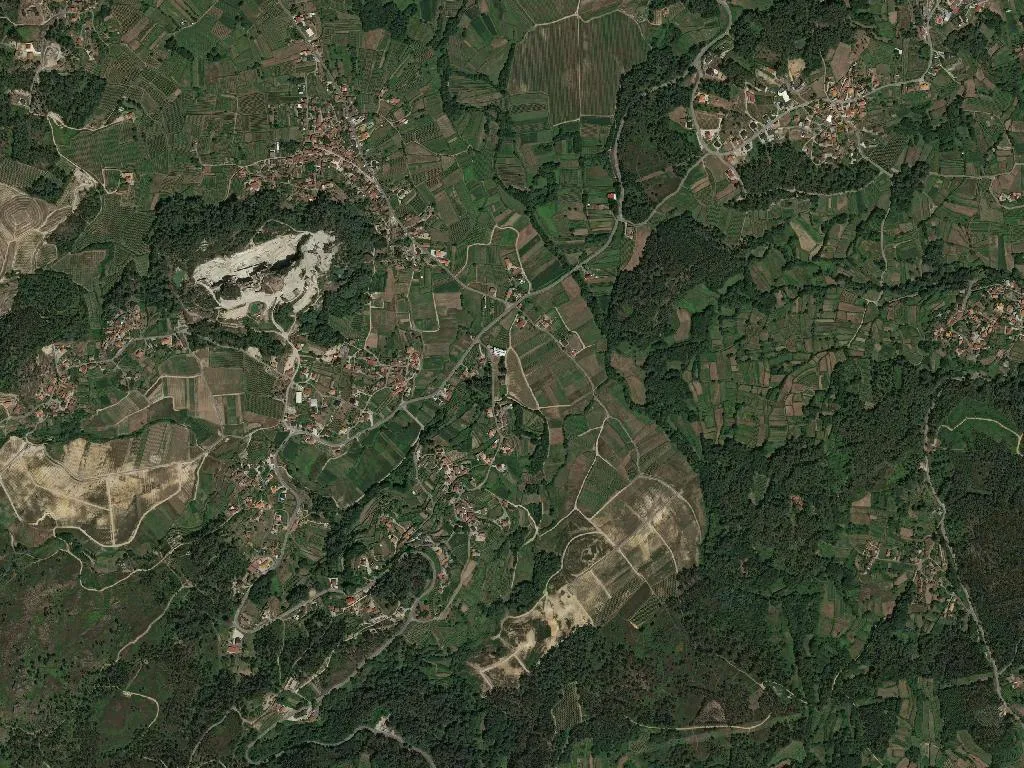
The church bell counts the hours across slate roofs, the note pooling in the Minho valley long after the clapper stills. Two-hundred and seventy-nine souls occupy 271 hectares of sun-trap slope; Alvarinho terraces stitch the hillside like amphitheatre seats, vanishing into haze.
The Road In
Only the ER202 is properly tarmacked, running Monção to Melgaço like a single dark thread. Everything else is compacted earth and granite setts that force you to slow to ox-cart pace. Granite houses keep their wooden balconies, paint long gone; pergulas of vine throw dappled shadows over back yards where the region’s trademark acidity is born.
Demographics in Stone
Ninety-six residents are over 65; thirteen children travel daily to Monção’s primary school. At dusk the stone benches beside the chapels fill while vegetable plots stay immaculate, paths raked as if for inspection. Tractors and the occasional dog keep the silence honest.
What the Plate Remembers
Carne Barrosã and Cachena da Peneda—both DOP—descend from the neighbouring sierras as slow roasts or hearty caldeiradas. In the tavernas, oak smoke seasons hanging charcuterie; a glass of youthful vinho verde slices cleanly through the fat.
Calendar Markers
Festa de Nossa Senhora da Rosa: last August weekend, when emigrants return and the lanes swell.
Festa de Nossa Senhora das Dores: third Sunday in September, the churchyard converted into an outdoor ballroom.
The View from 100 m
Four kilometres south, Monção’s walls are visible across a patchwork of parcels and dwarf oak copses. At 102 inhabitants per km², horizons stay obligingly wide; no concrete block has broken the ridgeline. When the low sun gilds granite façades and hearth smoke rises vertical, the contract is legible: wine and meat, centuries in the making, still underwriting life on this tilted land.