Full article about Granite vines & Barrosã beef in Messegães, Valadares e Sá
Alvarinho terraces, medieval charters and 65-plus guardians above the Minho
Hide article Read full article
Granite night-cold, Alvarinho noon-heat
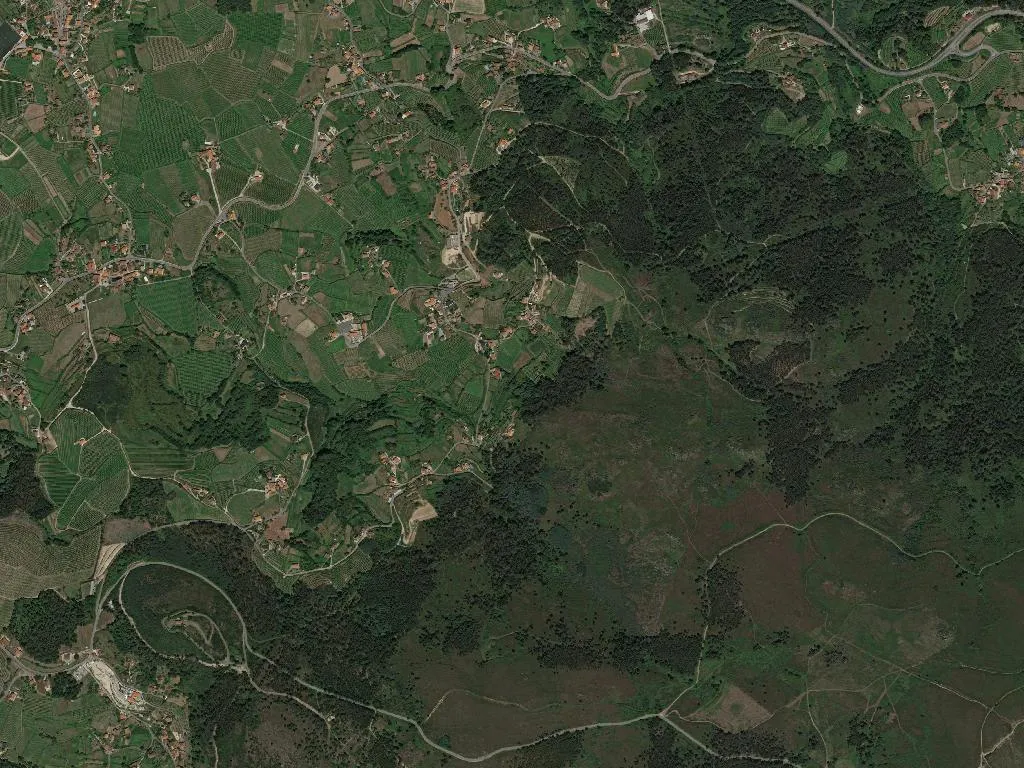
Granite keeps the chill of night long after the midday sun has soaked the vineyard terraces. Between Messegães, Valadares and Sá the land flexes like a green wave, but the colour is anything than simple: it is the sharp, fractured green of Alvarinho rows climbing the slope in single file, each vine wired to its stake as though tethered to a promise of harvest. Out of sight, the Minho slips past, laying a cool hush of moisture on the skin that fattens every berry.
This administrative trio – merged in 2013 from three separate parishes – packs 802 hectares with one of the densest concentrations of Alvarinho in northern Portugal. Most plots are pocket-handkerchief size, still worked by the grand-parents who winter-prune and the grand-children who pick. Their place-names read like footnotes in medieval ink: Messegães appears in a 1515 charter as “the spring”; Valadares comes from the Latin for “little valley”; Sá is older still, signed in 1258 as the surname of a Galician-Portuguese knight who carved out a fief. Together they number 553 souls, 257 of them over sixty-five, who guard a repertoire of gestures no appellation can legislate.
Vines, veal and vespers
Draw a 25-kilometre radius and you have the demarcated cradle of Vinho Verde, created in 1908. Here Alvarinho is picked between 60 m and 250 m above sea-level, the Minho’s humidity polishing its aromatics to a gloss that recalls Reisling grown on slate. Yields sit at a self-imposed 1.2 tonnes per hectare – well below the legal ceiling – so sugars concentrate without botrytis. Inside stone sheds the width of a single lorry, stainless-steel tanks glint beside clay talhas last used for red blends in the 1970s; both vessels spend six months locking in the scent of lime skin and yellow peach.
The table is completed by two protected breeds that graze the chestnut groves above the vines. Barrosã beef, documented here since 1867, arrives as seared steak; Cachena da Peneda is slow-braised until the fibres relax into gravy made from last year’s Alvarinho reduction. The dish locals whisper about is “Foda à Monção”, a 1935-recorded lamb and dark-bread stew whose name makes every visitor blush. Roast kid follows, its skin blistered in a wood oven until it crackles like parchment, before the sweet interlude of Roscas de Monção – ring-shaped convent pastries from the nearby Cistercian house founded in 1220 – and the egg-yolk sigh of Barrigas de Freira, “nun’s bellies”.
Feast-days that move with the river
On the Sunday closest to 15 August the polychrome statue of Nossa Senhora da Rosa leaves her 1758 chapel in Messegães and processes 3 km to Valadares, escorted by laurel-wood rockets still made across the river in Goián. A month later, 15 September belongs to Nossa Senhora das Dores of Sá; her 1723 wayside shrine opens like a wooden flower and the same brass band that played at the first festival in 1857 strikes up a march. Between hymns, caldo verde is ladled from iron pots – the kale grown in gardens that back onto the vines – and the wine poured is last year’s red, too light to be serious yet too honest to refuse.
Tracks between the tendrils
There are no way-marked trails, only the farm tracks that join the three villages like loose stitching. Take the EM534 for 2.3 km and shale glints between the vines, a reminder that these hills once fed the roofing tiles of coastal towns. In September you’ll meet a 1972 John Deere straining under crates of Alvarinho, and Mr Arménio’s Labrador will bark you past the Quinta das Lameiras where his grandfather grafted the first cordon-trained vines in 1954. The air smells of damp basalt minutes before rain; when it arrives you hear it drumming on the leaves long before you feel it.
Monção is five kilometres west – close enough for dinner, far enough to keep the night quiet. Its castle, ordered by Dom Dinis in 1306, squats above the Minho like a toll-collector, while the sixteenth-century pillory beside the town hall records the day the king raised the place to county status. Between castle and river, the spa of Termas de Monção pumps iron-rich water at 28 °C, should you want to soak the vineyard dust from your calves.
Stand still on the track and the soundtrack emerges: water lisping along irrigation runnels built during the 1936-40 agricultural improvement scheme, a whisper so constant it vanishes until you stop, shut your eyes and realise it has been threading the silence all along – the same silence 553 people call by name when they say they are going home to Messegães, Valadares e Sá.