Full article about Segude: Minho vines, granite hush, pork-fat rojão
Stone hamlet where alvarinho flows, roosters shout and 1.5-tonne saints sway
Hide article Read full article
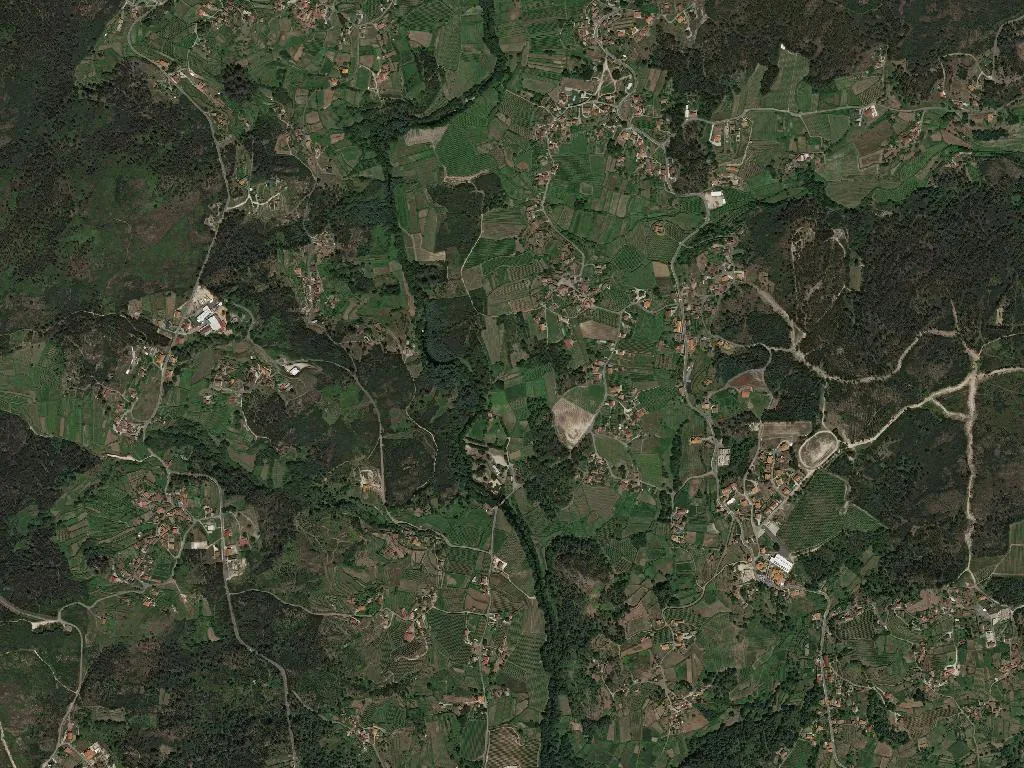
The church bell counts the hour across slate roofs, its note rolling over 236 hectares of vines and granite like a metronome set to andante. At only 44 metres above the Minho, Segude’s 320 neighbours fan out along a single road that stitches vineyard to vineyard, past low houses whose stone walls stay cool even when the August sky turns brassy.
Wine first, everything else second
This is not postcard folklore: the vines pay the parish bills. On the terraces, alvarinho and loureiro are trained on galvanized wire, leaves shivering at the faintest river breeze. Inside the adegas, stainless-steel tanks mutter while juice sharpens into the northern Portuguese answer to Sancerre—light, citrus-edged, best drunk within sight of the vines that made it.
Where to eat: Tasquinha da Eira is a front-room restaurant whose only concession to the 21st century is a chest freezer. Dona Fernanda’s rojão—pork shoulder seared in pork fat, then braised with tomato and bay—comes from Cachena cattle so angular they look drawn by Quentin Blake. Bring cash; cards are useless. Drink the house white poured from a jug, count the seconds until your glass is refilled.
There are three guest rooms in the village: terracotta roofs, cotton sheets, breakfast of corn bread and butter the colour of daffodils. Roosters beat any hotel wake-up call.
Summer’s serious holiday
The first Sunday of August belongs to Nossa Senhora da Rosa. Emigrants with Swiss plates and freshly-washed rental Clios begin arriving a fortnight ahead. The procession is weight-lifting disguised as devotion: the gilt-and-wood palanquin tips the scales at 1.5 tonnes, shoulder-bearers swapping out mid-route with the studied nonchalance of men who refuse to wince. Afterwards, the churchyard becomes an open-air canteen: sardines on paper plates, neon-pink pimba blasting from a bandstand, children threading between trestles like swallows.
Insider tip: Bag a seat before 20:00 or plan to eat standing up, cardboard plate in hand.
The rest of the calendar ticks over quietly. A third of the residents are retired; they hoe their cabbage rows, scatter maize for hens, sweep dust that will only return tomorrow. Thirty-one children are bussed to school in neighbouring parishes, returning at dusk to fill alleyways with shrieks and footballs. Density: 135 people per km²—low enough for silence to dominate, high enough that no one is ever truly alone.
Dusk ignites the vines, turning leaves traffic-light orange. Segude offers no zip-lines, no infinity pool, no hashtag. It offers instead what has always been here: wine on the table, meat on the grill, a bell that marks time, stone that outlasts whoever stacked it. For 320 people, that is already surplus.