Full article about Agualonga: fog, granite ribs & Alvarinho breath
263 souls cling to a mist-ribbed slope above the Coura, baking folar in hidden cottages
Hide article Read full article
The Slope That Shivers
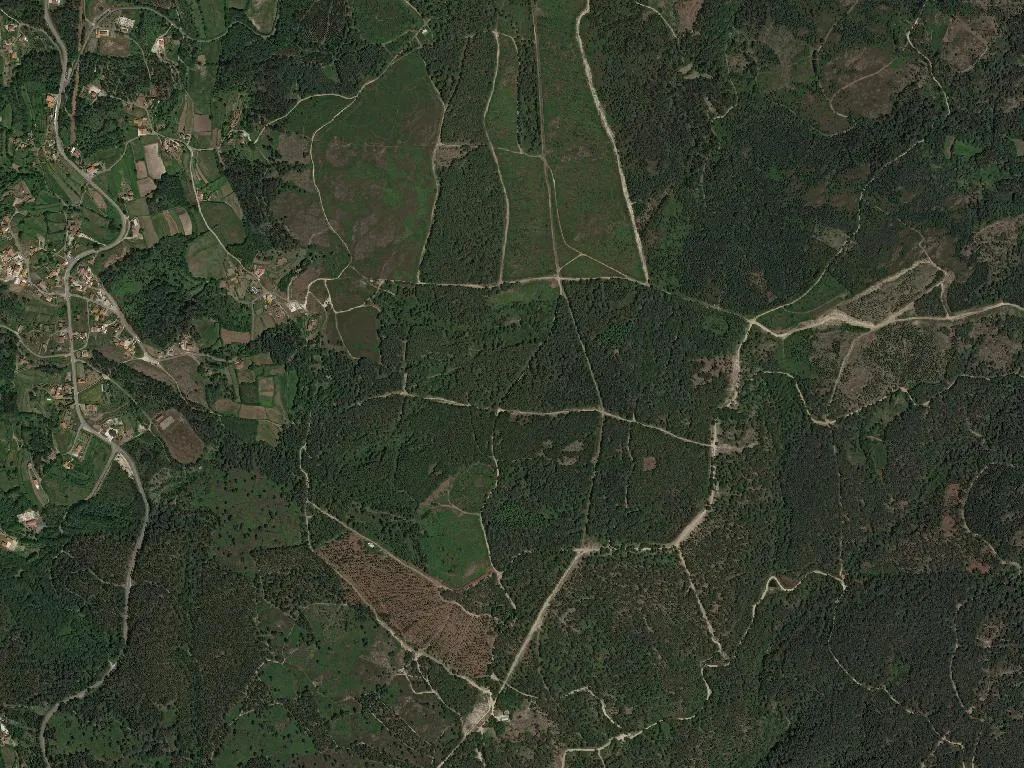
The hillside climbs as though it has goose-flesh: granite ribs showing through the turf, stunted oaks hunched at the ridge. Fog doesn’t lift here—it unravels in shreds between the roofs. At 1 404 ft the air of Agualonga slips into the lungs like spring water and burns the unaccustomed chest. Houses grip the gradient as if afraid of sliding into the Coura river; between them, schist walls sketch a maze of curves only the dogs know by heart.
What’s Left of the 263
The parish register lists 263 souls, but that’s theory. By Monday afternoon, after the market in Paredes de Coura closes, it’s 248. In August, when emigrants come home with French and Swiss plates, the figure swells to just over 300. Eight holiday cottages aren’t empty for want of guests—they’re tucked into the forest with names such as “Casa do Curral” or “Moita da Serra”, and their occupants have paid precisely to remain un-found. Silence isn’t absence; it’s the local currency.
Time, Still Hand-Wound
The bell of São Vicente strikes the canonical hours, yet no-one checks a watch: the scent of Dona Alda’s bread climbing from the wood-fired oven announces 11.30 sharp. In May, when the communal oven is lit for folar—an Easter loaf laced with cinnamon and aguardiente—the whole village smells like a pastry shop. On 8 September the procession of Nossa Senhora do Livramento has no military band; instead, the brass-and-drum society from Cunha turns up half drunk, half homesick, and still in tune. Even the priest, drafted from Valença in 1987, wouldn’t miss it. He still trades trovas—improvised verses—with Correia’s wife on the church steps.
What the Land Gives (And Takes Back)
Vines are planted on terraces so narrow that Zé Manel’s wife still tends them with a donkey; a tractor would simply topple. The Alvarinho grapes are the old clone—small berries, tight skins—yet the must turns honey-sweet when the sun lingers on the slate until four. The Barrosã cow isn’t marketed as “high-altitude beef”; it’s a beast that climbs higher than most tourists, wintering on gorse and peat-brown puddles. The flavour carries wet earth, slightly rotted hay, time without a deadline. When the household pig is slaughtered in December, neighbours still receive a slab of salgada—garlic-rubbed belly—as interest on the pinch of salt borrowed weeks earlier.
The Road to Nowhere (Hence Worth Taking)
Agualonga’s geography isn’t scenery; it’s sparring partner. Walk to the café in Cunha after dark and you’ll need forty minutes downhill, an hour back up with a bottle of tinto balanced on your head and Lopes’s mongrel as escort. Winter demands daily axe work for the hearth; summer brings fires that tighten the throat every August. Yet when the fog splits at noon and light plates the chestnuts in gold, someone always sits on the church wall and mutters, “It’s beautiful, mate. Always has been.”
Evening wind carries wood-smoke and the yowl of a cat stuck in the drainage ditch. Wall-shadows print a map no visitor needs to read: just follow the scent of burnt oak, the hush of water sneaking downhill, the quiet that, in the end, isn’t quiet at all—it’s the land speaking softly to whoever still remembers how to listen.