Full article about Coura: the Minho parish that outlived its own council
Granite mills, chestnut smoke and a 13th-century pillory in a river valley that time forgot
Hide article Read full article
Coura: the parish that refused to shrink
The Coura river squeezes between granite boulders at Poço de Taboões, the splash echoing like the scolding I used to get for soaking my ankles in November melt-water. Dawn is a slow-moving spotlight: first the ridge tops glow, then the beam creeps downhill at the pace of a pilgrim who knows the bar opens only at noon. Stand still and the valley explains its own name—água that has bossed life here since the Romans bolted a bridge together downstream. Water drove the mills still clinging to the banks and, if you believe the coffee-counter prophets, once floated suits of armour through the village during a flood the textbooks forgot to date.
A town hall with no town
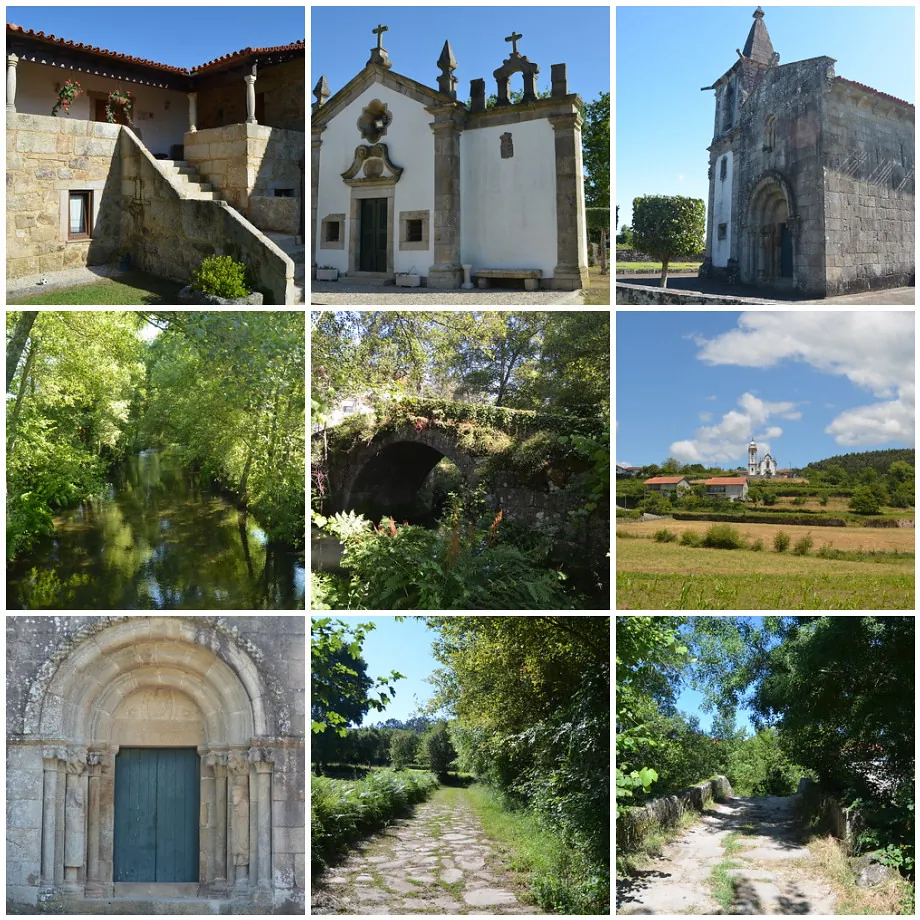
Until 1836 Coura answered to nobody. Lisbon bureaucrats arrived, ink still wet, and struck the parish council off the municipal roll. They left behind the squat stone council chambers—locals still point at the balcony where “the men who gave orders” cleared their throats—and the 13th-century pillory, the oldest in Minho that has never been moved for Instagram. Inside the mother church, a gilt altarpiece glitters with saints who look as if they’ve just noticed the collection plate is light. Climb past the last house to the whitewashed hermitage of Nossa Senhora do Livramento; the gradient equals the treadmill you abandoned in January, but the reward is a nave cooled by Atlantic air and August incense.
Chestnuts, pork and a third glass of loureiro
Forty tonnes of chestnuts leave the hillsides each autumn. On St Martin’s weekend the lanes smell of smoke and sugar; orchards seem to have given birth overnight. Barrosã beef, registered and protected, lands on plates without ceremony—cubed for rojões, slow-roasted kid, or folded into the blood-rich rice that was clearly designed for a third bottle of vinho verde. In the tasca run by the Lameiro family since 1974, salt-cod arrives under a crunchy blanket of corn-bread crumbs; ask nicely and Dona Amélia will recount the afternoon Eusébio devoured two portions and still signed napkins. Jeropiga—grape must fortified with brandy—and a thimble of medronho follow, labelled “digestif” to legitimise a fourth pour.
Between granite and water
The Soutos footpath is eight kilometres of tractor-width track best walked while mist still clings to the pines. From the Outeiro lookout you inventory the world: quartzite ridge, river curling like a dropped ribbon, and the realisation that the valley is larger than football arguments in the café suggested. The Coura waterfall is what travel brochures elsewhere call “secret”; locals simply keep the map vague to avoid coach parties. Poço da Gola, a circular plunge pool under a basalt lip, is for swimmers who enjoy the sensation of being punched by ice; the shock equals the night you forgot your wedding anniversary.
On the first Monday of every month the square becomes an open-air pantry: goat’s cheese illegal for anyone over 45, heather honey that cures everything except heartbreak, and chestnuts passed hand to hand like hot coins. Serandeiros—traditional two-voice singers—square up as if Spotify never happened, their boots beating time on granite slabs that store winter in their cores. The air tastes of woodsmoke and fermented grapes; your throat remembers jeropiga long after the glass is empty, and the stone underfoot stays cold, guarding its seasons like a confession.