Full article about Insalde e Porreiras: granite twins at 461 m
Two accents, two saints, one plate of Barrosã beef—experience the divided soul of Alto Minho
Hide article Read full article
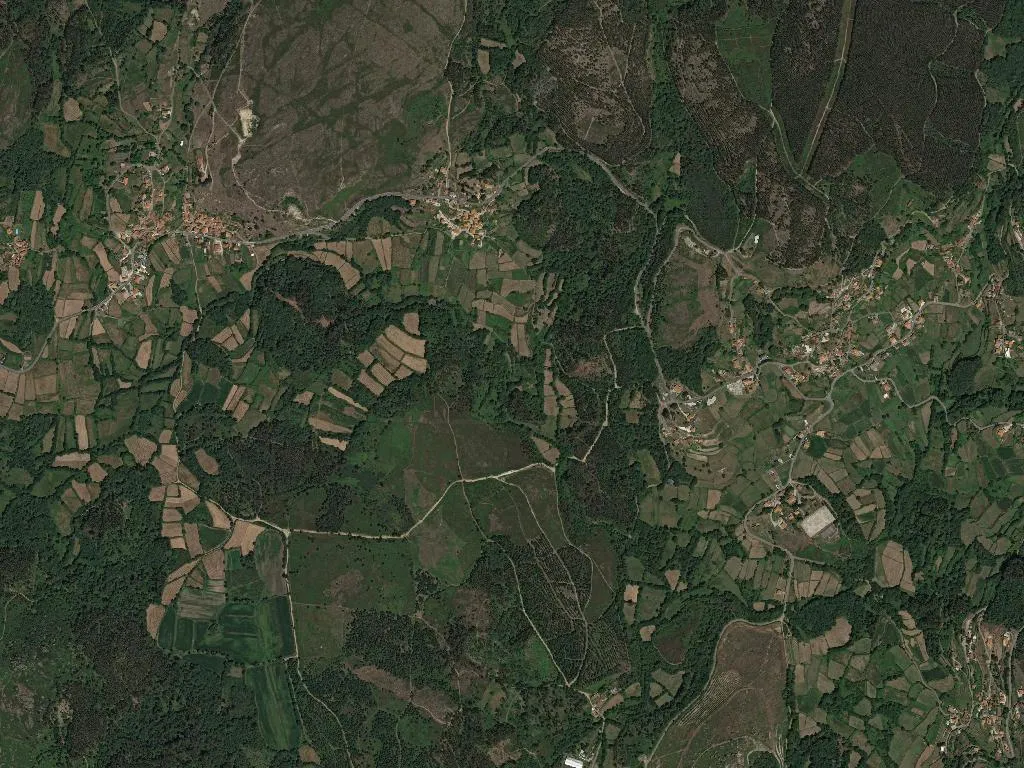
The water arrives before the view. At 461 m on the granite flanks of Alto Minho, the combined parish of Insalde e Porreiras is less a single village than a family argument conducted in stone—393 residents, 1,759 hectares, and two accents that refuse to merge. Civil servants in Lisbon welded the pair together in 2013, yet the lanes still announce which half you’re in: Insalde folds itself into a hollow, while Porreiras plants its church on the ridge like a lookout.
Two parishes, one memory
Locals insist Insalde takes its name from insula—a pocket of still air where wind forgets to blow. Porreiras, louder and sun-lit, displays its 17th-century bell tower like a weather vane for the entire valley. Each keeps its coat of arms above the parish-hall door: Insalde’s six-pointed star, Porreiras’ bull with lowered horns. No guidebook deciphers them; recognition is hereditary, the way you know a cousin’s gait before you see the face.
When saints hit the tarmac
August is the month when saints abandon the altar and parade through diesel-scented streets. In Insalde, Nossa Senhora do Livramento commands a weekend where the liturgy ends at 11 a.m. and the pork-fat smoke begins at noon. Twenty-four hours later the action shifts uphill to Porreiras for the Municipal Festivals—processions older than any dancer present. The litters weigh a metric tonne; the shoulders underneath them belong to grandsons. Between sets, Portuguese Euro-disco relic Toy fires up “A Minha Casinha” and even the priest taps his brogue.
Barrosã beef and fire-branded wine
Forget foam and tweezers. Here, Barrosã DOP cattle graze the same slopes they’ll later occupy on the plate—rojões simmered in bay and garlic, served in hammered copper that looks modest until you lift it. The blood-rich sarrabulho porridge alarms first-timers, then empties the pot. Vinho Verde is drawn from steel vats in the neighbouring quinta: lemon-sharp, lightly sparkling, refilled in thimble-sized glasses until the bottle tilts like a surrender flag. Ask at the counter for Dona Guida’s wood-oven maize bread; wrap it in a napkin, burn your fingers, understand crust.
Between Corno de Bico and the old mule tracks
Corno de Bico, the region’s miniature granite Matterhorn, rises eight kilometres west—leave the flip-flops at the guesthouse. Phone signal dies within minutes, replaced by 100-year-old chestnuts and ferns the size of satellite dishes. Closer to home, the river beach at Taboão substitutes for the Atlantic: slate-coloured water, no salt, no waves, just the Minho version of seaside—bring the towel, not the surfboard.
The thickness of everyday
With 150 residents over retirement age, time is set by joints, not algorithms. Júlio’s café opens at seven for the first bica, shuts at seven-thirty because the owner’s back aches. Two granite cottages have been recalibrated as b&bs: stone walls, underfloor heating, Wi-Fi fast enough to remind you it needn’t be faster. Luxury is waking before the cockerel, finding the diary empty, and stepping outside to a sky still licensed for the Milky Way—no filter, no surcharge, no check-out time.