Full article about Parada: Vinho Verde bell chiming above Lima gorge
Sip altitude-sharpened Loureiro in a granite village where schist terraces meet oak-smoked sarrabulh
Hide article Read full article
Stone staircases up a mountainside
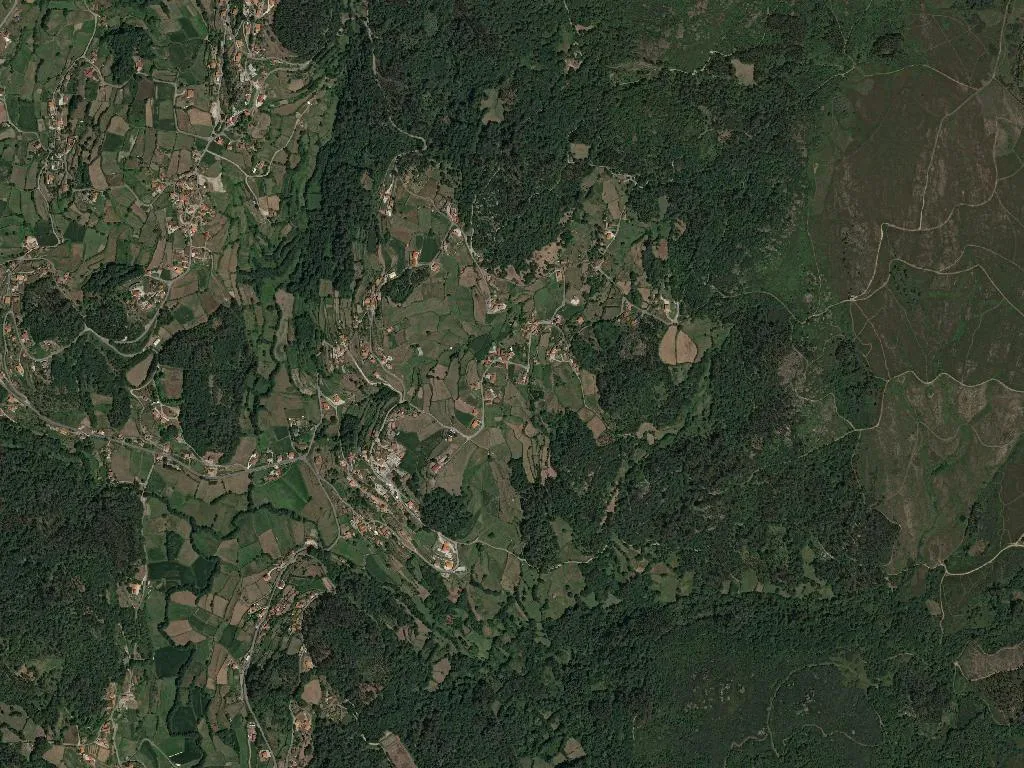
Dry-stone walls rise in successive flights, etching a stepped labyrinth into the slope where vines grip bare schist. Up from the Lima valley rides a wind laced with the smell of damp earth and chestnut blossom; overhead the bell of Nossa Senhora do Livramento tolls the hour across scattered granite roofs. At 511 m above sea level, Parada hangs between sky and the mountain streams that tumble out of the Serra do Soajo—still the halting-place it was when the Latin parata was first scratched onto medieval itineraries.
Carved gilt and collective memory
The parish church, dated 1758 on its portal, hides an interior of ripe Baroque excess: candle-light skips across gilded carving, while 18th-century azulejos narrate saints and miracles in cobalt. Higher up, the chapel authorised in 1692 by Dom Luís de Sousa, Bishop of Viana, draws barefoot pilgrims every September along stone paths older than any living memory. Manor-house granite, stone granaries on stilts, water mills half-drowned by ivy—every structure obeys the same patient geometry, wall added to wall, grandfathers to granddaughters.
High-altitude grapes and smoky kitchens
Terraced viticulture scripts both landscape and palate. Loureiro and Alvarinho ripen slowly at this elevation, translating into Vinho Verde of bright acidity and flint-scented nose. At weekends the single tasca—Café Central on Rua da Igreja—serves sarrabulho rice in a cloud of steam, sided with cornmeal loaf still warm from the oven. Barrosã beef, stamped DOP, chars over oak embers, its fat spitting onto flagstones. Conventual sweets arrive unlabelled on tin plates: sapos from Paredes de Coura, egg-custard folhados, and the bride’s cakes handed round during processions.
Trails that forget the century
Footpaths uncoil from the village into the protected landscape of Serra do Soajo. The PR1 "Trilho dos Socalcos", an 8.5-km loop way-marked in 2017, climbs through oak and chestnut where red kites tilt in slow gyres. The Mill Trail shadows the Parada stream to four water-wheels that still grind when autumn rains swell the race; a Romanesque bridge at Vilar, inscribed 1248, carries the walker across the Lima into meadows where wild Garrano ponies graze, indifferent to passing strangers. Below, the village shrinks to 118 roofs cut into green terraces.
September in the mist
On 15 September the Festa de Nossa Senhora do Livramento detonates the calendar. Since at least 1704, according to parish ledgers, the procession has left the chapel to ancient hymns, followed by a fair where improvised duets reignite the friendly rivalry between the Oliveiras and the Sousas, families here for four generations. Smoke from grilling meat drifts between canvas stalls, mixing with green wine and roasted chestnuts. After dark the Lima valley vanishes under climbing fog—lights swallowed one by one until only the wheeze of a distant concertina remains, perhaps played by José "o da Viola", last keeper of the old corridinhos. Then the damp chill sends you reaching for a wool coat, reminded that time here is measured in harvests, not clocks.