Full article about Corno de Beco Sunrise over Paredes de Coura
Granite lanes, Barrosã steaks and Coura River views in northern Portugal
Hide article Read full article
The Coura River idles beside the EN203 as if it has nowhere else to be. From the car window it looks like a village ditch; in fact it has floated Roman legions, medieval mule trains and, every August, the tattooed hordes of Paredes de Coura music festival queuing for the campsite showers.
Granite on granite
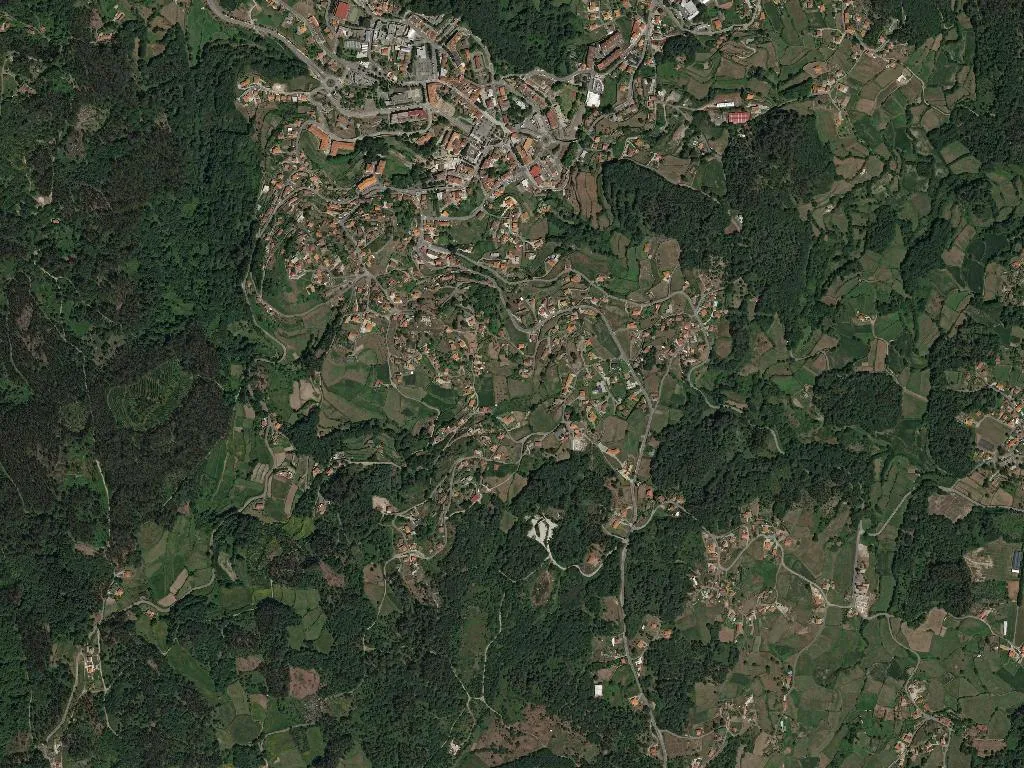
“Paredes” is not a surname; it is the place itself – walls upon walls. Houses lock shoulders down the slope, all hewn from the same grey stone, roofs the colour of weathered pewter. The Spirito Santo church stands at the bend like a latecomer to the conversation, but inside the gilded altar still tallies tithes and vows no one remembers.
In high summer the village combusts. At seven on the dot the procession of Nossa Senhora das Dores inches downhill, brass band playing at funeral pace while neighbours swap recipes for salt-cod fritters. The eighteenth-century pillory becomes a rendezvous: “Meet you at the pillory” is local code for a 20-cl beer at the Tasco opposite.
Alto Minho on a plate
Carne Barrosã DOP needs no subtitle – those long-horned, mahogany cattle graze the surrounding hills and finish on plates as thick posta steaks, seared hard, served with garlicky potato rounds. The house vinho verde arrives in a red-clay jug older than the barman; white for everyday, red only when the conversation turns to boar or Braga’s last-minute equaliser. Viana pastries look demure, but two of the egg-yolk and sugar spirals and dinner is redundant.
Tracks over the hills
The Corno de Beco trail is the Sunday circuit everyone claims to be bored of yet still walks. It climbs through the Albergaria forest where the air tastes of pine resin and moss, then drops back to the square just in time for coffee laced with aguardente. Short on time? Cotaleira: forty minutes up a cobbled cart track, a 360-degree balcony that on clear days lets you wave at Spain. Take water – the summit tenants are cows and unread boundary stones.
When the church bell strikes six for the angelus the centre empties with Swiss-train precision. Shutters slam, chairs scrape on café terraces, and the Coura keeps its low commentary that nobody hears. At that hour Paredes de Coura is simply itself: neither quaint hamlet nor lost village, just the place where stone, cattle and one very loud festival have agreed to share the valley for two millennia.