Full article about Lavradas: Vinho Verde, fire-scarred church & river echoes
Ponte da Barca parish where granite, mist and São Bartolomeus blessings frame the Lima
Hide article Read full article
Granite, grey mist and a church that still burns in memory
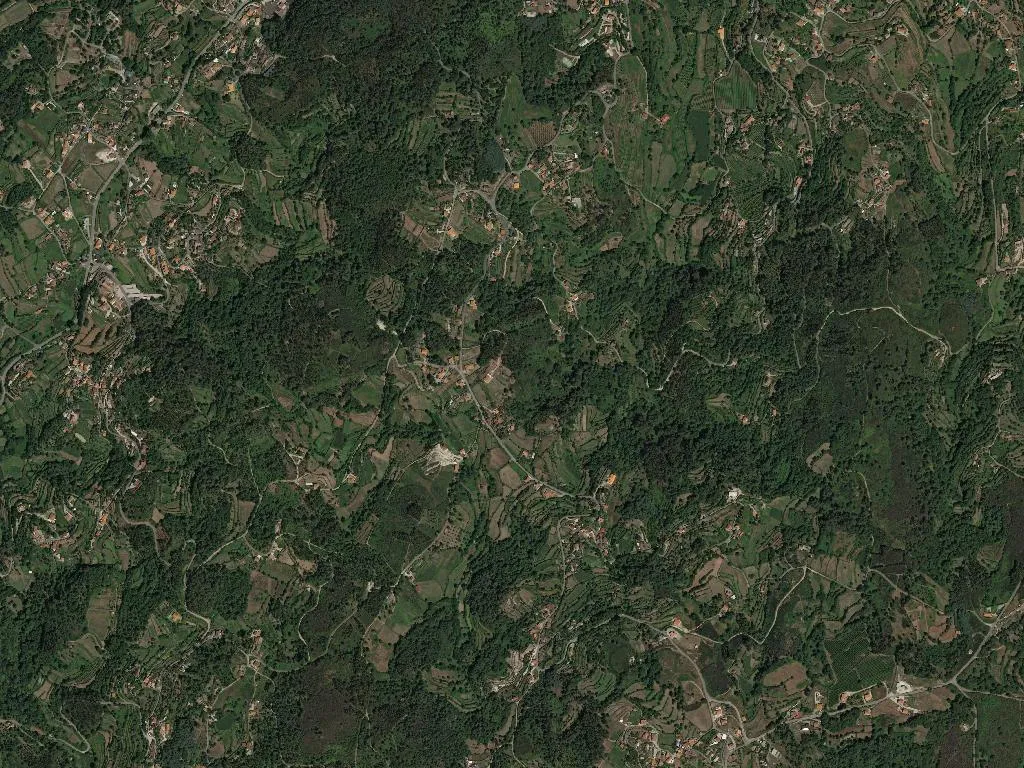
Boots clack across uneven cobbles; moss-softened granite walls bounce the sound back. The Ecovia do Lima cycleway cuts through Lavradas on its 33-kilometre run between Ponte de Lima and Ponte da Barca, carrying the scent of damp earth and the sharp sweetness of young loureiro grapes. At 246 m above sea level the parish counts 826 souls, its patchwork of pasture, chestnut groves and pergola-trained vines giving the light, spritzy whites that carry the Lima sub-zone of Vinho Verde.
Stone, ash and photographs that refuse to fade
Since Christmas Eve 2017 the parish church of Nossa Senhora da Paz has stood roofless, its blackened ribs the result of an electrical short. Rebuilding was finally approved in 2023; until the masons return, the old primary school doubles as a memory theatre where monochrome prints show women in cotton headscarves and men in tweed caps shouldering the canopy of a 1950s procession. Walk uphill to the Cimo da Aldeia and manor houses still flaunt 17th-century coat-of-arms stones; wayside crucifixes mark the old “romania” – the detour taken by Northern Way pilgrims on their last stretch into Ponte da Barca.
Where the Lima can be touched
The Bemposta pier, a slab-and-mortar platform on the river’s left bank, once echoed to the tread of boatmen who ferried cattle and passengers until the 1950s. Today herons stand among the reeds and you’ll spot a dipper bobbing on the stones. Every 24 August the São Bartolomeus romaria walks from the chapel to the water’s edge for the priest’s blessing; at Easter Sunday the Lapinhas singers gather unamplified in the square for a cantiga ao desafio – a rapid-fire vocal duel older than the microphone.
Tastes of smoke and granite
Order rojões – nuggets of Barrosã DOP pork flash-fried then stewed with boiled potatoes – or a clay bowl of lamb ensopado thickened with coarse corn bread. Sarrabulho, a peppery pork-and-blood stew, is lightened with a splash of local white. Finish with warm cornmeal broas drizzled with heather honey from Peneda-Gerês. Knock on the parish council door and someone will lead you to a farmhouse where Vinho Verde is drawn straight from the barrel and served in a red-clay bowl – the way grandfathers still insist on drinking it.
Trails that recount themselves
The 5-km São Bartolomeu loop passes ruined water-mills and granite pools deep enough for a midsummer plunge. Parts of the “Estrada Nova”, a medieval pack-animal shortcut to Arcos de Valdevez, survive as a raised cobbled ribbon now re-signposted as the Northern Way. When afternoon sun slices through Lima’s valley mist, the stone turns amber and the only sounds are a distant cockerel, the substitute chapel bell and the rustle of drying maize husks.