Full article about Lima Mist & Barrosão Beef in Ponte da Barca
Ponte da Barca’s merged villages tempt with river-mirrored squares, Peneda ridge hikes and fire-grilled Barrosã steak in Portugal’s northern vinho verde co
Hide article Read full article
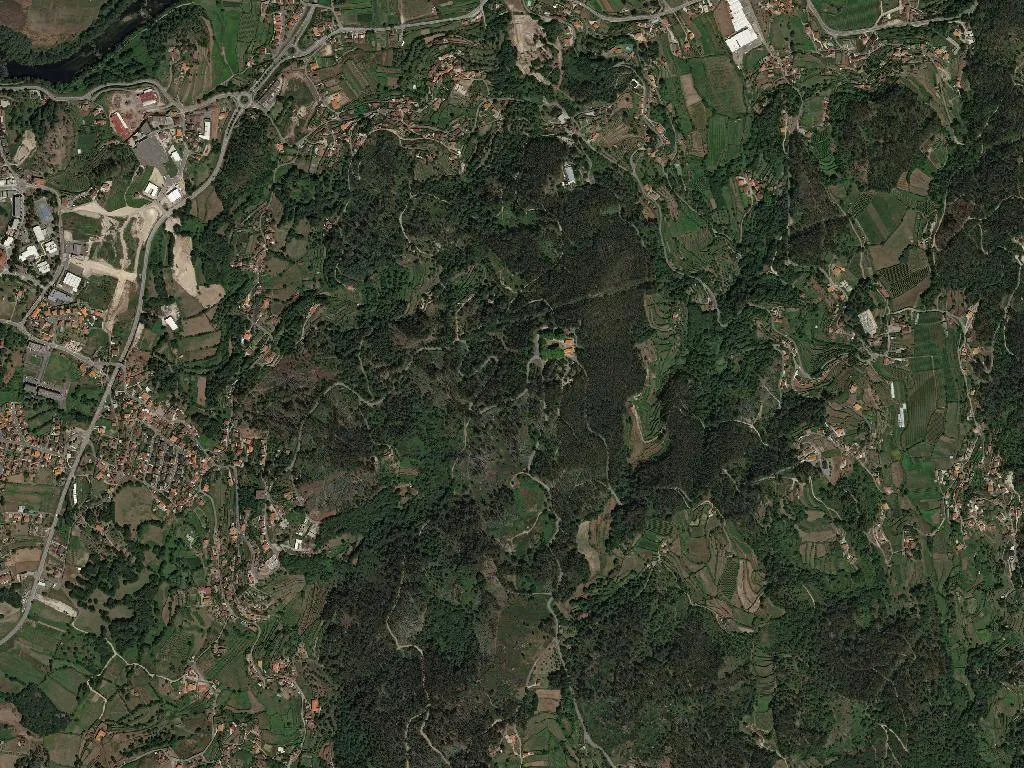
The Lima runs wide here, the colour of oxidised copper even in August, sliding between granite shoulders that squeeze the valley until the river itself seems to exhale. On the left bank the town arranges itself in terraces of pale stone; white houses with tall gates, lanes narrow enough to catch an echo, a square that opens its lungs straight to the water. Above it, the ridge of the Serra da Peneda cuts the sky like a serrated blade, reminding everyone that the wilderness begins just beyond the last streetlamp. This is the new parish of Ponte da Barca, Vila Nova de Muía and Paço Vedro de Magalhães — three former villages welded into a single administrative strip in 2013, still obeying the old contracts dictated by altitude and current: dawn mist, midday heat, green that never quite surrenders to gold.
River and Ridge
Ponte da Barca began as a practical problem: how to get across the Lima. Until the first stone arch was laid in the fifteenth century, a flat-bottomed barge ferried people, animals and cloth between banks. The name stuck even after the timbers were replaced by granite. Trade followed the crossing — fairs, tolls, taverns, everything a long-distance economy needed — while the hamlets on the higher ground, Muía and Paço Vedro, answered instead to Benedictine priories and manor houses whose incomes came from terraced maize and small, steep vineyards. You still feel the division. In Muía the old football pitch has reverted to rough meadow; dogs exercise their owners where centre-forwards once chased long balls. In Paço Vedro the bakery shut two years ago, yet locals swear the ghost of yeast and caraway lingers at dawn on Sundays. What unites the three places now is the signposted road into Peneda-Gerês National Park: the last chance for chewing gum, a decent espresso and a galão worth setting your alarm for.
Beef, Greens and Cellar Cool
The menu is short and legally protected. Barrosã and Cachena cattle — mahogany-coloured, horned, built like draught horses — graze the surrounding slopes all year, converting gorse and mountain grass into meat whose flavour is intensified by altitude and slow life. Order it simply grilled over holm-oak embers so the intramuscular fat relaxes into the fibres, or stewed with red wine and paprika until the sauce resembles burgundy velvet. The mandatory companion is Vinho Verde, though here the designation is literal: the wine is austerely young, its needle-sharp acidity and light spritz slicing cleanly through fat. Friday lunch at O Manel means sarrabulho — rice thickened with pork blood and cumin — and when the cauldron is empty, it stays empty. Everything on the plate is drawn from within sight of the terrace: the same granite, the same Atlantic weather, the same logic of subsistence that has survived every political rearrangement.
Saints and Fireworks
The civic calendar still pivots on two dates. On the first weekend of August the town gives itself to Nossa Senhora da Paz: processions, brass bands, rockets that ricochet between the houses, stalls selling sticky rice cakes wrapped in maize husks. Three weeks later São Bartolomeu draws the diaspora home — emigrants from Paris, Luxembourg, Newark — for a forty-eight-hour binge of reunion and grudge-settling. On both nights the square becomes an open-air refectory where incense and pork fat mingle without contradiction. Paulo, who has run the same zinc-countered tasca since 1987, starts slicing bifanas at two in the morning for pilgrims coming down from the all-night cántaro. The bread is baked by his wife while the rest of the parish sleeps; by dawn the pavement is strewn with crusts and spent bay leaves.
Footfall of Strangers
The Northern Way of Saint James crosses the parish on its coastal detour to Compostela. Fifty-eight beds — in albergues, spare rooms, a converted hayloft — wait for walkers who arrive with blistered heels and the stunned look of people who have just discovered how far Spain still is. They drink coffee in silence, photograph the bridge, buy plasters and figs. The demographic maths is modest but vital: a handful of euros spent every day, all summer long, enough to keep the café, the grocer, the tiny churrasqueira alive. In the pastelaria Dona Alda keeps aside a corn-meal cake for anyone arriving with a frameless rucksack. “Stops them breaking a leg on the climb,” she insists, though the science is dubious and the kindness is real. Residents recognise the pilgrim gait before they see the scallop shell: the shuffle, the sun-creased map, the plastic ponnet tied like a parachute to the pack.
Evening light slams into the west-facing façades, bleaching the plaster until it hurts to look. Down below, the Lima keeps its own counsel, ferrying oak leaves, snapped branches, the diluted memory of every flood and drought it has witnessed. Sit on a bench long enough and you hear two sounds only: water turning over stone, and the valley’s particular silence — the hush that persuades travellers to stay for one more coffee, one more day, one more life.